
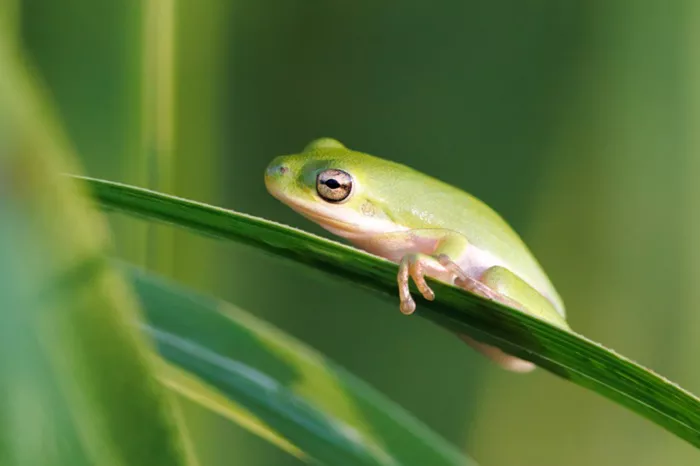
Green tree frogs, also known as Hyla cinerea, are native to the southeastern United States. These amphibians are popular among enthusiasts for their vibrant green color and distinctive calls. If you are caring for a green tree frog and are considering releasing it back into the wild, it is important to choose the right location. In this article, we will explore where and how to properly release green tree frogs to ensure their survival and well-being.
Introduction
Green tree frogs are small, arboreal creatures that thrive in wetland environments. They are commonly found in areas with dense vegetation, wetlands, and along the edges of ponds, rivers, and swamps. When releasing a green tree frog back into the wild, it is crucial to understand their natural habitat requirements. Releasing them in a safe and suitable environment helps them to integrate successfully into the ecosystem and minimizes their risk of harm.
Why Choosing the Right Location Matters
The success of releasing a green tree frog depends largely on the location chosen. Releasing a frog in an area that does not support its needs, such as a dry, polluted, or heavily urbanized environment, can lead to stress, disease, and death. On the other hand, a well-chosen release site can help ensure that the frog adapts to its surroundings and thrives.
Habitat Requirements
Green tree frogs are adapted to life in humid, temperate environments. When choosing a place to release a green tree frog, consider the following habitat requirements:
- Moisture: Green tree frogs are semi-aquatic creatures, so they require a damp environment. Ideally, they should be released near a water source such as a pond, marsh, or stream.
- Vegetation: These frogs need access to abundant vegetation, especially trees, shrubs, and other plants where they can hide and hunt for food. Tree frogs often stay in trees and shrubs during the day and hunt for insects at night.
- Temperature: Green tree frogs thrive in moderate temperatures ranging from 65°F to 80°F (18°C to 27°C). Releasing them in areas with stable, mild temperatures is essential for their survival.
- Minimal Pollution: Releasing a frog in an area with high levels of pollution, pesticides, or chemicals could be harmful to the frog. It is crucial to choose a location with clean air, water, and soil.
Ideal Locations for Releasing Green Tree Frogs
To ensure that green tree frogs are given the best chance for survival, here are some ideal locations for their release:
Pond or Wetland Areas
Wetlands and ponds are the most suitable environments for green tree frogs. These areas provide the necessary moisture and a variety of hiding spots in the form of plants and trees. Frogs can also find plenty of insects and other food sources around ponds. Ensure the pond or wetland is free from toxic chemicals and pollutants.
Wooded Areas Near Water
Woodlands near streams, rivers, or ponds are also ideal for releasing green tree frogs. These areas offer both the damp conditions and the vegetation that green tree frogs require. A forested habitat allows the frogs to hide from predators and find shelter during the day while still having access to insects for feeding.
Floodplains and Marshes
Floodplains and marshy areas are excellent options for green tree frogs because of the plentiful vegetation and water availability. These areas provide the perfect combination of moisture, shelter, and food sources. Marshes and floodplains also allow frogs to move between water and land easily, which is important for their survival.
Backyards with Natural Elements
If you are considering releasing a green tree frog into your own backyard, make sure it is designed to mimic natural habitats. Adding a small pond, planting native shrubs, and creating plenty of cover can provide an ideal environment for the frog. However, avoid areas with heavy foot traffic or excessive use of pesticides, as these can pose dangers to the frog.
Preparing for the Release
Before releasing your green tree frog, there are a few important steps to follow to ensure the frog’s successful reintegration into the wild:
Acclimatizing the Frog
Before releasing the frog, it is crucial to acclimatize it to the new environment. Gradually reduce the time the frog spends indoors and expose it to outdoor conditions like humidity, temperature, and light. This helps the frog adjust and decreases the likelihood of stress once released.
Releasing the Frog at the Right Time
The best time to release a green tree frog is during the evening or night, as this is when they are most active. Additionally, it is important to release the frog when the weather conditions are favorable, such as on a warm, humid evening, to help the frog adjust to its new surroundings.
Common Mistakes to Avoid
While releasing a green tree frog can be a rewarding experience, there are common mistakes that can negatively affect the frog’s chances of survival:
- Releasing in a Dry Area: Avoid releasing the frog in areas that are too dry or lack water sources, as this can lead to dehydration and death.
- Choosing a Polluted Site: Never release a frog in a location with polluted air, water, or soil, as this can pose a significant health risk.
- Releasing During Harsh Weather: Avoid releasing the frog during extreme weather conditions, such as heavy rains, cold temperatures, or storms, as this can overwhelm the frog.
Monitoring the Frog After Release
After releasing a green tree frog, it is a good idea to monitor its behavior for a short period to ensure that it settles well into its new environment. However, avoid interfering with the frog, as it may need time to adjust. Look for signs of stress, such as lack of movement or abnormal behavior, which may indicate that the frog is not adapting well to the environment.
Conclusion
Releasing a green tree frog back into the wild is a great way to help these beautiful creatures return to their natural habitat. However, choosing the right location is essential for their survival. By selecting a suitable site with proper moisture, vegetation, and clean conditions, you can provide the frog with the best chance of thriving in the wild. Take care to avoid common mistakes and make sure to monitor the frog’s progress after release. With these steps, you will help maintain the health and vitality of green tree frog populations, ensuring that they continue to flourish in their natural environment.
Related topics: