
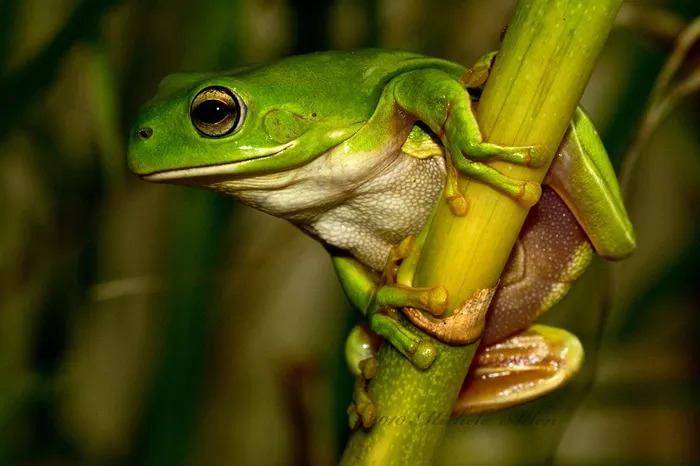
Green tree frogs are fascinating creatures, known for their vibrant color and captivating presence. Many people wonder whether it is safe to touch these amphibians, given their delicate skin and environmental needs. In this article, we will explore various aspects of handling green tree frogs, discussing both their natural behavior and the potential impact on their health when touched by humans.
Introduction
The green tree frog, also known as Hyla cinerea, is a species commonly found in the southeastern United States. With their bright green skin and large, bulging eyes, these frogs are a popular sight in gardens, wetlands, and forests. While they are often seen climbing trees or perched on leaves, many people find themselves curious about the proper way to interact with them. This curiosity often leads to the question: is it safe to touch a green tree frog?
Before we answer that question, it’s important to understand the frog’s natural environment and why their delicate skin plays such a crucial role in their survival. Let’s dive deeper into the biology of green tree frogs and why handling them requires special consideration.
Understanding the Green Tree Frog’s Habitat
Green tree frogs are arboreal, meaning they live in trees and other plants. They are commonly found in wetland habitats, including swamps, ponds, and marshes. These frogs are also frequently spotted near man-made water features like garden ponds. Their natural habitat provides them with ample moisture, which is essential for their survival. The environment not only sustains them but also helps keep their skin moist, which is vital for their health.
Moisture and Skin Health
One of the primary reasons why green tree frogs need to live in moist environments is that their skin acts as a permeable surface for water exchange. They absorb oxygen through their skin, and it also serves as a barrier against dehydration. If their skin becomes dry, it can lead to health complications or even death. This is why touching a green tree frog can be problematic.
How Human Interaction Affects Their Skin
Humans have natural oils and salts on their skin, which can transfer to the frog when touched. These substances can disrupt the delicate balance of moisture on the frog’s skin, leading to dehydration or even burns in extreme cases. In addition, human hands may carry harmful bacteria or chemicals from soaps or lotions, which can be harmful to amphibians.
Is It Safe to Touch a Green Tree Frog?
The answer is simple: it is generally not advisable to touch a green tree frog. While they are not inherently dangerous to humans, handling them can be harmful to the frog. Their skin is extremely sensitive, and touching them can cause significant stress. Frogs can become stressed by human interaction, which may weaken their immune system, making them more susceptible to diseases.
Exceptions: When You Might Touch a Frog
There are situations in which touching a green tree frog may be necessary, such as during the process of rescue or relocation. If you must handle a frog in these cases, it is important to take precautions. Always wash your hands thoroughly before and after handling the frog. It’s also a good idea to wear gloves, ideally those that are thin and free from any chemicals. This minimizes the risk of transferring harmful substances onto the frog’s skin.
How to Safely Interact with Green Tree Frogs
If you encounter a green tree frog and wish to interact with it, there are several guidelines you should follow to ensure the safety of the frog:
- Always wash your hands before and after touching the frog.
- Try to minimize direct contact. Observe the frog from a distance to enjoy its natural behavior.
- If you need to pick up the frog, use a soft, wet cloth or gloves to protect both your hands and the frog’s skin.
- Avoid touching the frog with dry or dirty hands, as this increases the risk of harm.
- Only handle the frog briefly and return it to its natural environment as soon as possible.
The Importance of Preserving Green Tree Frogs
Green tree frogs play an important role in their ecosystem. They help control insect populations by feeding on pests like mosquitoes, flies, and beetles. By maintaining the balance of these populations, they contribute to the overall health of the environment. Given their role, it is crucial that we take steps to protect these frogs and their natural habitats from harm.
Over the years, amphibian populations around the world have been declining due to habitat loss, climate change, and diseases like chytridiomycosis. Protecting green tree frogs involves not only limiting human interaction but also preserving their habitats and supporting efforts to conserve amphibian populations globally.
Creating Frog-Friendly Environments
If you want to help green tree frogs, consider creating a frog-friendly environment in your backyard. Here are some steps you can take:
- Plant native plants that provide shelter and food for frogs.
- Install a small pond or water feature to offer a source of water.
- Reduce the use of pesticides and chemicals that could harm frogs and other wildlife.
- Avoid using harsh chemicals in your garden that could pollute local water sources.
Conclusion
In conclusion, while green tree frogs are fascinating creatures, it is best to avoid touching them whenever possible. Their sensitive skin requires special care to maintain its moisture balance and protect them from harmful chemicals. If you do need to handle a frog, be sure to take precautions such as wearing gloves and washing your hands thoroughly. Most importantly, the best way to enjoy green tree frogs is by observing them from a distance, allowing them to thrive in their natural habitat without interference.
Related topics: