
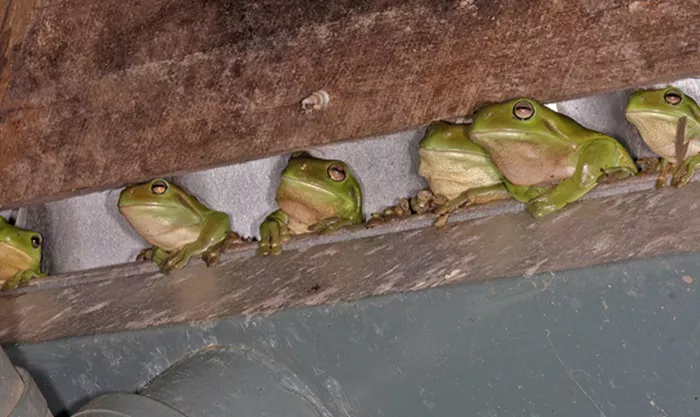
Green tree frogs are small amphibians known for their bright green color and gentle nature. One of the most well-known species is the American green tree frog, scientifically called Hyla cinerea. Another famous species is the Australian green tree frog, also known as Litoria caerulea. These frogs live in warm regions with plenty of moisture. They are often found near ponds, swamps, wetlands, and even gardens.
Understanding what green tree frogs eat is important for both wildlife enthusiasts and pet owners. Diet plays a central role in their growth, immune health, reproduction, and survival. In the wild, green tree frogs are opportunistic predators. This means they eat many different types of small animals depending on what is available.
In this article, we will explore their natural diet, feeding behavior, hunting strategies, nutritional needs, and differences between wild and captive feeding. Each section will explain their diet in simple and clear language while maintaining scientific accuracy.
Are Green Tree Frogs Carnivores?
Yes, green tree frogs are carnivores. They eat other animals. Unlike herbivores, they do not eat plants as a main food source. Their digestive system is designed to process protein-rich animal tissue.
Their diet mainly consists of insects and other small invertebrates. In some cases, larger individuals may also eat very small vertebrates. They rely on live prey. Movement triggers their feeding response. A frog will usually ignore food that does not move.
What Do Green Tree Frogs Eat in the Wild?
Insects as the Primary Food Source
In the wild, insects form the largest part of their diet. Common insects they eat include:
Crickets are one of the most common prey items. Grasshoppers are also frequently eaten. Moths and flies are often captured at night. Beetles provide a hard-bodied food option. Ants may also be eaten, although they are not preferred.
Green tree frogs are nocturnal hunters. They feed mainly at night. Artificial lights attract insects. Frogs often sit near porch lights or street lamps to catch insects that gather there.
Spiders and Other Arthropods
Spiders are a common part of their diet. Frogs do not build webs, but they actively hunt spiders on plants and walls. They also eat small arthropods such as centipedes and small roaches when available.
Worms and Soft-Bodied Invertebrates
Earthworms and small caterpillars are eaten when found. Soft-bodied prey is easier to digest. These prey items provide moisture and nutrients.
Occasional Small Vertebrates
Larger green tree frogs may occasionally eat very small vertebrates. This can include tiny frogs, baby lizards, or very small fish. However, this is not common. Most of their diet remains insect-based.
How Green Tree Frogs Hunt Their Food
Ambush Predation Strategy
Green tree frogs use an ambush strategy. They sit still and wait for prey to move nearby. Their green color helps them blend into leaves and vegetation. This camouflage protects them from predators and helps them catch food.
The Role of Their Sticky Tongue
Their tongue is long and sticky. It is attached at the front of the mouth. When prey comes close, the frog quickly flips its tongue outward. The sticky surface grabs the prey. The entire action takes less than a second.
Vision and Movement Detection
Green tree frogs have excellent vision. They detect motion very well. Movement is the main trigger for feeding. If food does not move, the frog may not recognize it as prey.
Diet Differences Between Species
American Green Tree Frog
The American green tree frog mainly eats small insects such as crickets, flies, moths, and mosquitoes. Because they are smaller than some other tree frog species, their prey size is usually small.
Australian Green Tree Frog
The Australian green tree frog is larger and can eat larger prey. It may consume bigger insects, small mice in rare cases, and even other frogs if the opportunity arises. However, insects still make up most of its diet.
What Do Green Tree Frog Tadpoles Eat?
Tadpoles have a very different diet from adult frogs. Tadpoles are mostly herbivorous or omnivorous. They eat algae, plant matter, and decaying organic material in water.
As they grow and develop legs, their digestive system changes. They gradually transition from plant-based food to animal-based food. After metamorphosis, they become fully carnivorous.
What Do Green Tree Frogs Eat in Captivity?
Common Feeder Insects
Pet green tree frogs are usually fed crickets. Crickets are easy to find and provide good nutrition. Other common feeder insects include mealworms, waxworms, dubia roaches, and fruit flies for smaller frogs.
The Importance of Variety
A varied diet is important. Feeding only one type of insect can lead to nutritional imbalance. Rotating between crickets, roaches, and worms helps provide a wider range of nutrients.
Calcium and Vitamin Supplementation
In captivity, insects should be dusted with calcium powder. This prevents metabolic bone disease. Vitamin supplements are also used occasionally. Proper supplementation is essential for long-term health.
How Often Do Green Tree Frogs Eat?
Young frogs eat more frequently than adults. Juveniles may eat daily. Adults often eat every two to three days. Feeding frequency depends on size, temperature, and activity level.
Factors That Influence Their Diet
Seasonal Changes
During warmer months, insects are more abundant. Frogs eat more during this time. In cooler seasons, feeding decreases.
Habitat and Location
Frogs living near water may eat more aquatic insects. Frogs in gardens may eat moths and flies attracted to lights.
Size and Age
Larger frogs can eat larger prey. Younger frogs must eat very small insects.
Foods Green Tree Frogs Should Not Eat
Not all insects are safe. Fireflies are toxic to many frogs. Wild-caught insects exposed to pesticides can also be dangerous. In captivity, feeding wild insects carries risk.
Frogs should not be fed processed human food. Bread, fruit, or vegetables are not suitable for adult frogs.
The Role of Diet in Growth and Health
Protein supports muscle development. Calcium supports bone health. A balanced diet improves immune function and reproduction.
Poor diet can lead to weakness, deformities, and shorter lifespan. Proper nutrition is one of the most important aspects of frog care.
Ecological Importance of Their Feeding Habits
Green tree frogs help control insect populations. By eating mosquitoes and flies, they reduce pest numbers. They are an important part of the ecosystem.
They also serve as prey for birds, snakes, and mammals. Their role in the food chain is essential.
Conclusion
Green tree frogs are carnivorous amphibians that mainly eat insects and small invertebrates. In the wild, they feed on crickets, flies, moths, spiders, and worms. Larger species may occasionally eat small vertebrates. Tadpoles eat plant material before transforming into insect-eating adults. In captivity, a varied diet of properly supplemented feeder insects ensures good health. Understanding what green tree frogs eat helps us appreciate their ecological role and care for them responsibly.