
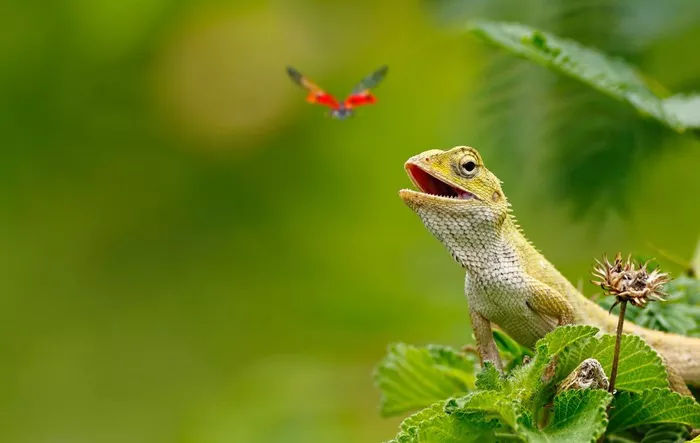
Lizards are fascinating creatures found in almost every part of the world. Many people notice these reptiles in and around their homes. While some may find them alarming or unwanted, lizards are usually harmless. Understanding why lizards are attracted to a house can help homeowners manage or coexist with them. This article explores the reasons behind lizards visiting human dwellings, their habits, and how to prevent or encourage their presence.
Understanding Lizards and Their Habits
What Lizards Are
Lizards are cold-blooded reptiles belonging to the order Squamata. They come in various sizes and shapes, from tiny geckos to large monitor lizards. Lizards are ectothermic, which means they rely on the environment to regulate their body temperature. Their behaviors, including seeking shelter and hunting, are influenced by temperature, humidity, and food availability.
Typical Behavior of Lizards
Lizards are generally shy and prefer to hide in safe places. They are most active during warm hours, although some species are nocturnal. They feed on insects, small invertebrates, and sometimes plants. Their survival depends on finding food, water, shelter, and a suitable place to lay eggs.
Factors That Attract Lizards to Homes
Availability of Food
One of the main reasons lizards enter homes is the availability of food. Lizards are natural hunters, primarily feeding on insects. Houses often attract insects due to lights, food scraps, and damp areas. Areas near kitchens, garbage bins, and lights become hotspots for insects, and consequently, lizards are drawn to these spots.
Warmth and Shelter
Lizards need warmth to regulate their body temperature. During cooler months or at night, houses provide a warm environment compared to the outside. They may hide under furniture, near electrical appliances, or in cracks and crevices to stay warm and safe from predators. Homes with cluttered spaces, piles of wood, or open vents are particularly inviting for lizards seeking shelter.
Water Sources
Like all living creatures, lizards need water to survive. Homes with leaking pipes, water trays, birdbaths, or damp areas attract lizards. Bathrooms, kitchens, and gardens with water features can become magnets for these reptiles. Even small amounts of moisture in cracks or pots can be enough to sustain lizards.
Climbing Surfaces and Hiding Spots
Lizards are excellent climbers. Walls, fences, shelves, and plants provide perfect surfaces for climbing and exploring. They also look for hiding spots where they can rest without being disturbed. Homes with textured walls, crevices, or decorative elements can provide ample hiding spots, making lizards feel secure.
Lighting and Insects
Outdoor lights attract insects at night, which in turn attract lizards. Porch lights, garden lamps, and security lights can become hunting grounds for lizards. If a lizard senses a steady source of prey, it may choose to stay near that location regularly.
Environmental Conditions Favoring Lizards
Climate and Temperature
Lizards thrive in warm climates. If your house is located in a tropical, subtropical, or temperate region, the environment itself encourages lizards to visit. Homes with sunlit walls, warm patios, and open gardens create ideal conditions for these reptiles.
Vegetation and Landscaping
Gardens, shrubs, and tall grasses provide shelter, hunting grounds, and hiding spots. Plants also attract insects, which further draws lizards. Homes with extensive landscaping or dense vegetation often see more lizard activity.
Proximity to Natural Habitats
Houses near forests, ponds, or rocky areas are more likely to attract lizards. Natural habitats provide breeding grounds and food sources. When these reptiles venture out, homes nearby offer additional shelter and safety, making them attractive stops.
Common Lizards Found Around Homes
Geckos
Geckos are small lizards commonly seen in houses. They are excellent climbers and are often found on walls and ceilings. Geckos primarily feed on insects attracted to lights at night. Their presence is usually beneficial because they help control insect populations.
Anoles
Anoles are small to medium-sized lizards commonly seen in gardens. They are active hunters and prefer leafy areas for hiding. Anoles are fast and can change colors to blend into their surroundings, making them elusive yet beneficial for pest control.
Skinks
Skinks are smooth, shiny lizards that often stay near the ground. They prefer damp areas and feed on insects, slugs, and small invertebrates. Skinks are more likely to hide under rocks, logs, and garden debris than enter living spaces.
Other Lizards
Depending on the region, other lizard species may also visit homes. Monitor lizards or larger reptiles are less common in urban areas but may be seen near rural houses. These lizards require more space and are usually transient visitors.
Reasons for Increased Lizard Activity
Seasonal Changes
Lizard activity often increases during warm seasons. In spring and summer, they are more active for feeding and breeding. In cooler months, they seek warmth indoors or near heated surfaces.
Human Activity
Houses that are frequently left open or cluttered inadvertently provide lizards with easy access and hiding spots. Storing firewood, boxes, and unused items outside can create ideal habitats for them.
Light Usage
Increased use of outdoor and indoor lights can attract more insects, which in turn attracts more lizards. Adjusting lighting or using yellow-tinted lights may reduce insect presence, indirectly reducing lizard visits.
How to Reduce Lizards in Your Home
Maintain Cleanliness
Keeping your home clean, especially the kitchen and dining areas, can reduce insect attraction. Store food properly, dispose of garbage promptly, and avoid leaving crumbs or spills. Fewer insects mean less food for lizards.
Seal Entry Points
Inspect your home for cracks, gaps, and holes. Seal these areas to prevent lizards from entering. Pay special attention to doors, windows, and vents.
Control Moisture
Fix leaking pipes and remove standing water. Reduce damp areas around the home, as lizards are attracted to moisture for hydration and hunting insects.
Use Repellents
Natural repellents like garlic, onion, or pepper sprays can discourage lizards. Commercial repellents are also available but should be used carefully to avoid harming other animals.
Adjust Lighting
Reduce outdoor lighting or switch to yellow lights to attract fewer insects. This can indirectly reduce lizard activity near the house.
Benefits of Having Lizards Around
Natural Pest Control
Lizards feed on insects such as mosquitoes, flies, and cockroaches. Their presence can reduce the need for chemical pest control, making them beneficial for the household.
Environmental Balance
Lizards play a role in maintaining the ecological balance. By controlling insect populations, they contribute to a healthier garden and home environment.
Educational and Aesthetic Value
Observing lizards can be an educational experience, especially for children. They are interesting creatures that demonstrate natural behaviors and adaptability. Some homeowners even appreciate their presence for aesthetic reasons.
Common Myths About Lizards
Lizards Are Dangerous
Most lizards found near homes are harmless. They do not pose a significant threat to humans. Only a few species, like large monitor lizards, can be aggressive if provoked.
Lizards Bring Bad Luck
Many cultures have myths about lizards bringing bad luck or omens. Scientifically, there is no evidence supporting these beliefs. Lizards are simply creatures seeking food, shelter, and warmth.
Lizards Damage Homes
Lizards do not chew wires or furniture. They may leave droppings, but their physical damage is minimal. Their main impact is their presence rather than destruction.
Coexisting With Lizards
Observation and Learning
Watching lizards can be fascinating and educational. Homeowners can learn about their behaviors, feeding habits, and preferred environments.
Safe Relocation
If a lizard becomes a nuisance, it can often be safely relocated outdoors. Use gentle methods, avoid harming the animal, and place it in a suitable habitat.
Encouraging Beneficial Lizards
Some homeowners prefer to keep lizards around to control pests. Providing safe hiding spots, avoiding chemical pesticides, and maintaining a balanced environment can encourage beneficial lizards.
Conclusion
Lizards are attracted to houses primarily due to food, warmth, water, and shelter. Their presence is usually harmless and can even be beneficial for controlling insects. Understanding why lizards visit homes helps homeowners make informed decisions about managing or coexisting with them. By maintaining cleanliness, controlling moisture, sealing entry points, and adjusting lighting, it is possible to reduce unwanted lizard visits. At the same time, appreciating their ecological role allows for a harmonious balance between human living spaces and these fascinating reptiles.
Related topics: