
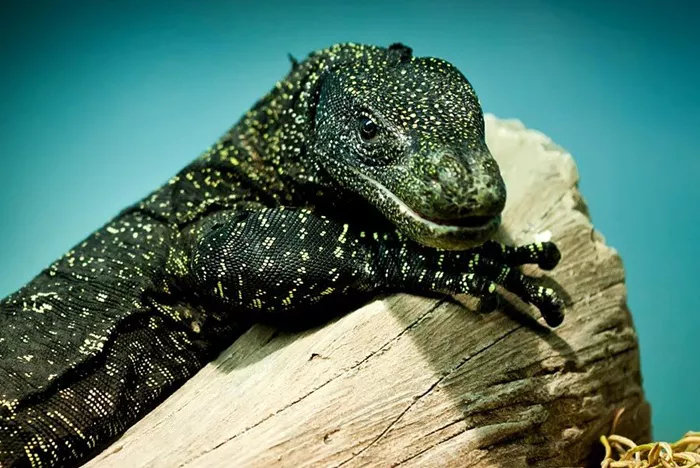
Lizards are fascinating reptiles that have captured the attention of humans for centuries. They come in a wide variety of shapes, sizes, and colors. Many people keep lizards as pets, while others encounter them in the wild. Despite their prevalence, there is a common question that many people ask: are lizards poisonous? This question arises because some animals use venom as a defense mechanism, and many reptiles are known to be dangerous. In this article, we will explore lizard biology, the difference between poisonous and venomous, and identify which lizards are truly dangerous to humans. Our goal is to provide a clear and authoritative answer for both curious readers and reptile enthusiasts.
Understanding Lizards
Lizards belong to the order Squamata, which also includes snakes. There are over 6,000 species of lizards worldwide, ranging from tiny geckos to large monitor lizards. They inhabit deserts, forests, grasslands, and even urban areas. Despite their differences, all lizards share some common features:
- Cold-blooded metabolism
- Scaly skin
- Four legs with claws (except some legless lizards)
- External ear openings
- Ability to shed their tails as a defense mechanism
Lizards are primarily carnivorous or insectivorous, although some species eat plants or fruit. Their diet and habitat play a role in their defense mechanisms, including the potential use of venom or toxic substances.
Poisonous vs. Venomous
Before discussing which lizards are dangerous, it is important to clarify the difference between poisonous and venomous animals. Many people confuse these terms:
- Poisonous: An animal is poisonous if it releases toxins when touched or eaten. In other words, poison must be ingested or contacted to have an effect.
- Venomous: An animal is venomous if it injects toxins through a bite, sting, or other specialized mechanism. Venom can be delivered actively to another animal.
Understanding this distinction is key because most lizards are not poisonous in the traditional sense. Instead, only a few species are venomous, and even fewer are dangerous to humans.
Are All Lizards Poisonous?
The short answer is no. The majority of lizards are harmless to humans. They do not produce venom or toxins that can harm people through touch. Many common lizards, such as anoles, geckos, and skinks, are completely safe to handle. Their primary defense strategies include:
- Running quickly to escape predators
- Hiding in crevices or under objects
- Shedding their tails to distract attackers
While they may bite if threatened, most bites are minor and do not involve any toxic chemicals.
Lizards That Are Venomous
Although most lizards are harmless, a few species do produce venom. The most well-known venomous lizard is the Gila monster (Heloderma suspectum), found in the southwestern United States and northern Mexico. Another close relative is the Mexican beaded lizard (Heloderma horridum). These lizards have specialized glands in their lower jaws that secrete venom, which they deliver through grooved teeth.
Gila Monster
The Gila monster is one of the only lizards with a potent venom. It uses its venom primarily for defense rather than hunting. Human bites can be painful, causing swelling, nausea, and dizziness, but fatalities are extremely rare. Gila monsters are slow-moving and generally avoid human contact.
Mexican Beaded Lizard
Similar to the Gila monster, the Mexican beaded lizard possesses venom that can cause intense pain and temporary medical complications in humans. However, like its relative, it rarely bites unless provoked. These lizards are nocturnal and secretive, making encounters uncommon.
Other Lizards With Mild Toxins
Some other lizards have mild toxins in their saliva or skin, but these are generally not harmful to humans. For example:
- Monitor lizards, such as the Komodo dragon, have saliva that contains bacteria and mild toxins, which may cause infection or blood thinning, but this is different from being actively venomous.
- Certain skinks have skin secretions that can deter predators, but they are harmless to people.
Overall, true venomous lizards are extremely rare.
Signs a Lizard Might Be Dangerous
When encountering lizards in the wild, it is useful to know how to identify potentially dangerous species. Warning signs include:
- Bright, contrasting coloration, which may indicate venomous or toxic species
- Large size with strong jaws
- Known habitats of venomous lizards (southwestern U.S., Mexico, parts of Central America)
Even if a lizard fits these characteristics, most are not aggressive and will avoid humans.
How to Safely Interact With Lizards
Whether in the wild or as pets, it is important to handle lizards safely:
- Do not attempt to catch wild lizards with bare hands.
- Wash your hands after touching lizards to prevent bacterial infections.
- Give venomous species space and avoid provoking them.
- Ensure pet lizards are kept in proper enclosures to prevent stress and potential bites.
Medical Considerations
Bites from venomous lizards like the Gila monster or Mexican beaded lizard require medical attention. Symptoms can include:
- Pain and swelling at the bite site
- Nausea and vomiting
- Dizziness or fainting
- Allergic reactions in sensitive individuals
Immediate washing of the wound and professional medical care are essential. Most non-venomous lizard bites only cause minor irritation or scratches.
Ecological Importance of Lizards
Regardless of their venomous status, lizards play a crucial role in ecosystems. They help control insect populations, serve as prey for larger animals, and contribute to biodiversity. Protecting lizard habitats ensures balance in the environment and reduces unnecessary fear of these reptiles.
Common Myths About Poisonous Lizards
Many myths exaggerate the danger of lizards. Common misconceptions include:
- All lizards are poisonous – false, most are harmless.
- Lizards can kill humans – extremely rare; only Gila monsters and related species have venom, and fatalities are almost unheard of.
- Touching a lizard spreads deadly toxins – false; lizards’ skin is not poisonous to humans.
Understanding real risks versus myths can help people appreciate lizards without fear.
Lizards as Pets
Lizards are popular pets due to their low maintenance and interesting behavior. Common pet species include geckos, anoles, and bearded dragons. These species are completely safe for humans. When selecting a lizard as a pet, it is important to research their needs, diet, and potential health risks. Even pet lizards require proper hygiene to prevent bacterial infections.
Conclusion
In conclusion, the majority of lizards are not poisonous or dangerous to humans. Only a few species, such as the Gila monster and the Mexican beaded lizard, produce venom, and even they rarely cause serious harm. Most lizards rely on speed, camouflage, and tail shedding to escape predators rather than toxins. Understanding the difference between poisonous and venomous, recognizing warning signs, and practicing safe handling are key to appreciating these remarkable reptiles. By dispelling myths and learning about lizard biology, humans can coexist safely with these fascinating creatures and enjoy the diversity of the natural world.
Related topics: