
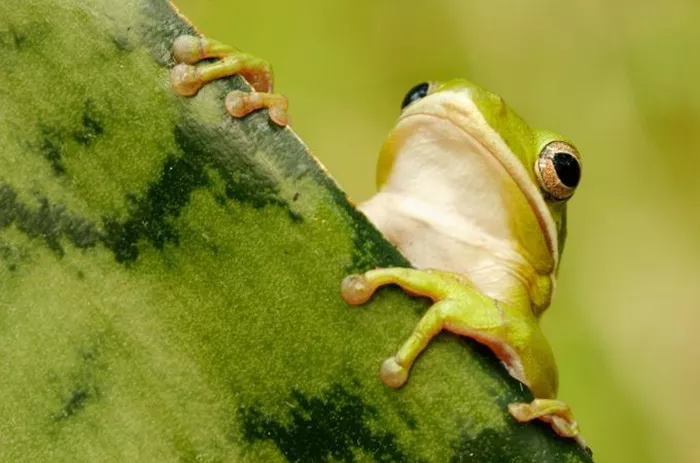
If you own a dog and live in areas where green tree frogs are common, you may have found yourself wondering what would happen if your dog decided to snack on one of these small amphibians. Green tree frogs are a popular species found in gardens, forests, and backyards, and their vibrant green color can make them quite appealing to curious pets. But what happens if your dog eats one of these frogs? In this article, we will explore the potential risks and reactions to keep you informed and prepared in case this situation ever arises.
Understanding Green Tree Frogs
Green tree frogs (Hyla cinerea) are small, brightly colored amphibians that are native to parts of North America. They are commonly found in warm, humid environments like wetlands, marshes, and gardens. These frogs are typically harmless to humans, but they possess a unique defense mechanism that can be harmful to animals, especially curious dogs. Green tree frogs secrete toxins through their skin, which helps protect them from predators.
What Makes Green Tree Frogs Dangerous to Dogs?
The main danger that green tree frogs pose to dogs lies in the secretion of toxins through their skin. When a dog bites or eats a frog, these toxins can be ingested or absorbed through the mouth or mucous membranes, leading to a variety of symptoms. The specific toxins found in green tree frogs are known as bufotoxins, which can cause a range of negative effects on your dog’s health.
Bufotoxins: The Frog’s Defense Mechanism
Bufotoxins are a group of potent chemicals found in the skin of many amphibians, including frogs, toads, and newts. These toxins are produced as a defense mechanism to deter predators from eating them. Bufotoxins can cause severe reactions in dogs, including vomiting, drooling, and seizures. Depending on how much of the toxin your dog ingests and their size, the severity of symptoms can vary. In most cases, the toxins act quickly, so recognizing the signs early can be crucial for your dog’s recovery.
What to Do If Your Dog Eats a Green Tree Frog
While it can be distressing to discover that your dog has eaten a green tree frog, it’s important to stay calm and act quickly. The first step is to observe your dog for any symptoms of poisoning. If you notice any signs of distress, it’s essential to seek veterinary help immediately.
Common Symptoms of Frog Toxin Poisoning in Dogs
- Excessive drooling – A common reaction to toxins from the frog’s skin.
- Vomiting – This can occur shortly after ingestion and is the body’s attempt to expel the toxins.
- Diarrhea – Your dog may experience gastrointestinal distress due to the toxic substances.
- Seizures – In more severe cases, the toxins can cause seizures, which require immediate veterinary attention.
- Lethargy – Dogs may become unusually tired and inactive due to the effects of the toxins.
- Frothing at the mouth – This can occur as a result of excess salivation.
Immediate Steps to Take
If you suspect your dog has eaten a green tree frog, it’s important to take the following steps:
- Rinse your dog’s mouth: If possible, carefully rinse your dog’s mouth with water to remove any residual frog toxins.
- Monitor for symptoms: Keep an eye on your dog for any signs of poisoning. If any symptoms appear, don’t hesitate to contact your veterinarian.
- Visit the vet: If your dog is showing signs of distress, such as vomiting, drooling, or seizures, take them to the vet immediately. The quicker the treatment, the better the outcome for your pet.
Treatment for Frog Poisoning in Dogs
Veterinarians typically treat frog poisoning based on the symptoms your dog exhibits. If your dog is vomiting or has diarrhea, your vet may administer fluids to help flush the toxins from their system and prevent dehydration. In cases of severe poisoning, hospitalization may be necessary to monitor your dog’s condition and provide more intensive care.
Activated Charcoal
In some cases, your veterinarian may administer activated charcoal, which can help absorb any remaining toxins in your dog’s digestive system. This treatment is often effective if administered soon after the dog ingests the frog. The activated charcoal helps to bind the toxins and prevent them from being absorbed into the bloodstream.
Seizure Control
If your dog experiences seizures, your vet may provide medication to control these symptoms. Seizures are a serious sign of frog toxin poisoning, and immediate treatment is necessary to prevent long-term damage to your dog’s brain.
How to Prevent Your Dog from Eating Frogs
While accidents do happen, there are several steps you can take to minimize the risk of your dog eating a green tree frog or other amphibians:
- Keep your dog on a leash: When walking in areas where frogs are common, keep your dog on a leash to prevent them from wandering off and picking up the frogs.
- Clear the area: If you have frogs in your backyard, consider removing them safely or using natural repellents to keep them away from your dog’s play area.
- Supervise outdoor play: Always supervise your dog when they are outside, especially if you live in an area where frogs are prevalent.
Are Green Tree Frogs Dangerous to Humans?
While green tree frogs secrete toxins through their skin as a defense mechanism, these toxins are generally not harmful to humans. Handling a green tree frog can cause mild irritation in some individuals, but it is unlikely to cause significant harm. However, it is always a good idea to wash your hands thoroughly after handling any amphibian to avoid any potential irritation or infection.
Conclusion
In conclusion, while green tree frogs are not inherently dangerous to humans, they can pose a serious risk to dogs if ingested. The toxins in their skin can cause a range of symptoms, from mild drooling and vomiting to severe seizures. If your dog eats a green tree frog, it’s important to act quickly by rinsing their mouth, observing their symptoms, and seeking veterinary attention. By taking steps to prevent your dog from coming into contact with frogs, you can help keep them safe and healthy.
Related topics: