
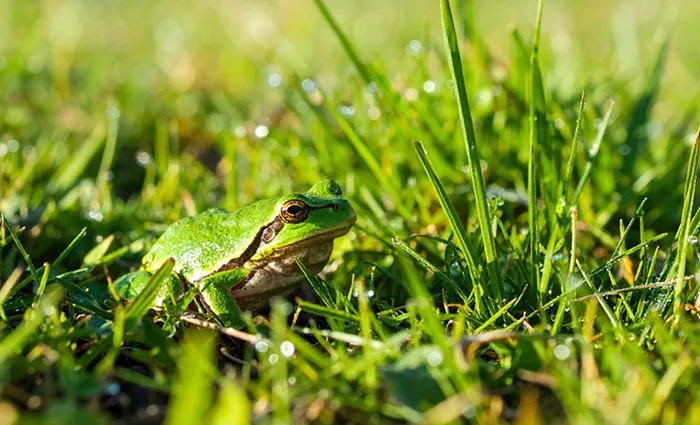
Green tree frogs are beautiful creatures, but they can sometimes become a nuisance when they invade our homes or gardens. These amphibians are attracted to moisture, warmth, and food sources, making certain environments more appealing to them. However, there are effective methods to deter these frogs from entering your space. This article explores practical solutions for keeping green tree frogs away while ensuring that your environment remains safe and frog-free.
Introduction
Green tree frogs, known for their vibrant green color and distinct croaking sounds, are commonly found in various regions around the world. While they can be fascinating to observe, they may create problems for homeowners, especially when they congregate in gardens, patios, or even inside the house. Their presence can lead to potential damage to plants, unwanted noise, and even the spread of parasites.
In this article, we will provide strategies to help you effectively keep green tree frogs away from your living space. From altering your outdoor environment to using natural repellents, we’ll cover a variety of techniques to ensure these amphibians stay at a safe distance.
Why Do Green Tree Frogs Enter Your Space?
Understanding why green tree frogs are attracted to your space is key to preventing their intrusion. Green tree frogs are primarily attracted to areas that offer the following:
- Moisture: Frogs need a humid environment to thrive, as they can easily dry out in dry conditions.
- Food: They are insectivores, often feeding on small insects, which may be abundant in your garden or home.
- Warmth: Frogs are cold-blooded, so they prefer warmer environments to regulate their body temperature.
By addressing these factors, you can reduce the likelihood of green tree frogs entering your property.
1. Eliminate Sources of Moisture
One of the primary reasons green tree frogs are drawn to your home is the availability of moisture. If you want to keep them away, it’s crucial to minimize excess moisture around your property.
Fix leaks: Ensure that all pipes, faucets, and hoses are properly maintained and not leaking. Even small leaks can create an inviting habitat for frogs.
Use dehumidifiers: If your home has areas prone to humidity, such as basements or bathrooms, using a dehumidifier can help keep the air dry and less appealing to frogs.
Remove standing water: Green tree frogs often lay their eggs in still water, and they are attracted to pools, ponds, and even water that collects in outdoor containers. Regularly check your garden for stagnant water and eliminate any standing water to discourage frog activity.
2. Seal Entry Points
Green tree frogs can easily enter your home through small cracks and gaps. Preventing their access to your living space is essential to keeping them out.
Inspect windows and doors: Check all doors and windows for gaps, and use weatherstripping to seal any openings. Ensure that window screens are intact and free from holes.
Seal cracks in walls and foundations: Small cracks in the walls, foundation, or roof of your house can serve as entry points for frogs. Use caulk or another sealant to close these gaps.
3. Create a Frog-Unfriendly Environment in Your Yard
Your yard can be a prime location for green tree frogs to gather, so it’s essential to make it less inviting. Here are some tips to create a frog-unfriendly environment:
- Remove dense vegetation: Frogs love to hide under dense shrubs, trees, and vines. Trim back foliage to reduce hiding spots.
- Use frog-repelling plants: Certain plants, such as lavender, marigolds, and lemongrass, are known to repel frogs due to their strong scents. Planting these around your garden can help keep frogs at bay.
- Avoid overwatering: Excess water in your garden creates an ideal environment for frogs. Be mindful of watering practices and avoid overwatering your plants.
4. Natural Repellents to Deter Green Tree Frogs
If you’re looking for a natural way to deter green tree frogs, consider using non-toxic repellents. Here are a few methods that can help:
- Garlic spray: Frogs dislike the strong scent of garlic. You can create a simple garlic spray by blending garlic cloves with water and spraying it around areas where frogs frequent.
- Citrus peels: Frogs are known to be repelled by the scent of citrus. Placing citrus peels around your garden or home can act as a natural deterrent.
- Essential oils: Strong essential oils like eucalyptus, citronella, and peppermint can be used as a natural frog repellent. Mix a few drops with water and spray the solution in areas where frogs are active.
5. Use Chemical Repellents (with Caution)
While natural repellents are a great option, you may also consider using chemical repellents specifically designed to deter amphibians. These products can be effective but should be used with caution, especially around pets and children.
Frog repellent granules: These granules are typically applied to outdoor areas where frogs tend to gather. They work by emitting an unpleasant odor that deters frogs from entering the area.
Commercial frog sprays: There are various frog-specific sprays available that can be applied to garden areas. Be sure to follow the manufacturer’s instructions carefully when using these products.
6. Build a Barrier Around Your Property
Another method to prevent frogs from accessing your property is to build a physical barrier. This can be particularly useful if you have a large yard or garden.
Install a fence: A low, smooth fence made of materials like plastic or metal can help prevent frogs from entering your garden. Ensure the fence is buried slightly into the ground to stop frogs from squeezing through gaps.
7. Keep Your Garden Clean and Tidy
A well-maintained garden is less likely to attract frogs. Keeping your garden clean and organized can reduce the number of hiding places and food sources available to them.
- Rake leaves regularly: Leaves and mulch can provide a perfect hiding spot for frogs. Rake up fallen leaves regularly and dispose of them.
- Trim tall grass: Tall grass offers frogs a cool, shady place to hide. Keep your lawn trimmed to discourage frogs from settling in your yard.
Conclusion
Green tree frogs can be a beautiful part of nature, but when they invade your living space, they can cause problems. By eliminating moisture sources, sealing entry points, and making your yard less attractive to them, you can successfully keep these frogs away. Natural repellents and physical barriers, when used correctly, are also effective tools in preventing frog invasions.
With these strategies, you can enjoy a frog-free environment while maintaining a balance between nature and comfort in your home and garden. By implementing these methods, you’ll ensure that green tree frogs stay out of your way and that your living space remains peaceful and undisturbed.
Related topics: