
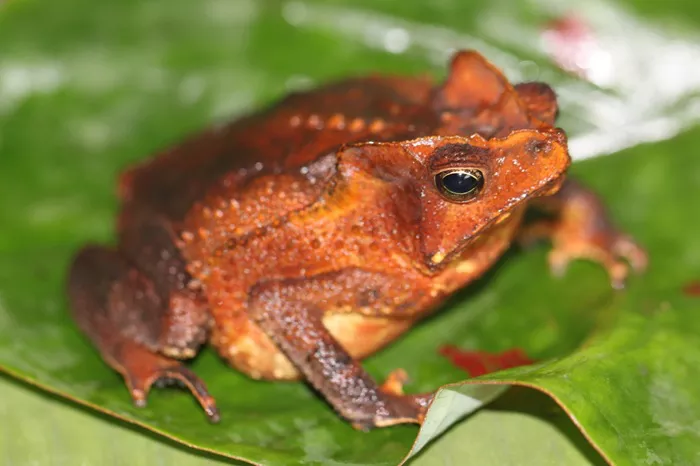
American toads (Anaxyrus americanus) are common amphibians found throughout North America. Most people recognize them by their brown or reddish-brown coloration. However, many enthusiasts and herpetologists have noticed that some American toads can appear in shades of orange. This article explores the science, causes, and variations of orange coloration in American toads.
Understanding American Toad Coloration
The coloration of American toads is not fixed. While brown is most common, their skin can range from olive green, gray, reddish, and sometimes orange. Color variations are influenced by genetics, environment, and age.
Genetics and Pigmentation
The primary factor affecting the color of American toads is their genetic makeup. Toads have specialized skin cells called chromatophores that determine skin color. These include:
- Melanophores – produce black or brown pigment.
- Xanthophores – produce yellow or orange pigment.
- Iridophores – reflect light and create iridescence.
An increase in xanthophore activity can cause a toad to appear orange. This genetic variation is natural and rare but documented in wild populations.
Environmental Factors
Environment also influences skin color. American toads may adapt their coloration to blend with soil, leaves, or surroundings. In areas with red or orange-toned soil, some toads may develop a warmer hue, including orange shades. Temperature, humidity, and light exposure can also subtly affect pigmentation.
Age and Seasonal Changes
Toad coloration can change with age and breeding season. Young toads may be brighter and more vibrant, while adults often have muted colors. During the breeding season, males sometimes display more vivid skin tones to attract females, occasionally including orange highlights.
Orange Variants in American Toads
While rare, orange-colored American toads are real. These variations are generally caused by:
- Genetic mutations affecting xanthophores.
- Local environmental adaptation.
- Dietary factors influencing pigment production.
Genetic Mutations
Some American toads carry mutations that enhance orange or red pigment. These mutations are uncommon but can be passed down to offspring, creating a small population of orange individuals in certain regions.
Dietary Influence
Toads’ diets include insects, worms, and other small invertebrates. Certain foods rich in carotenoids, the pigments that give orange and yellow colors in nature, may contribute to a brighter orange hue in toads over time.
Environmental Adaptation
In habitats with reddish or orange leaves, sand, or rocks, toads may gradually exhibit warmer hues to blend in. This camouflage helps them avoid predators and survive more effectively.
Misconceptions About Orange Toads
Many people assume that orange American toads are unhealthy or belong to a different species. This is not accurate. Color variation is a normal part of the species’ biology. Orange coloration is simply one of many natural variations.
Health Indicators
While color can sometimes indicate stress or illness in amphibians, a naturally orange toad is not necessarily sick. Key health indicators include activity level, appetite, and skin texture, rather than color alone.
Species Confusion
Occasionally, orange American toads are mistaken for other toad species such as the Fowler’s toad (Anaxyrus fowleri), which commonly exhibits reddish-orange hues. Careful observation of physical traits, like warts, parotoid glands, and dorsal patterns, confirms species identification.
Orange Toads in Captivity
In captivity, the color of American toads can sometimes be enhanced or altered by environment and diet. Herpetologists and hobbyists report that controlled lighting, substrate color, and carotenoid-rich diets can help maintain vibrant orange hues in captive toads.
Substrate and Habitat
Choosing naturalistic substrates that mimic a toad’s wild environment can encourage natural coloration. Sandy or reddish substrates sometimes encourage orange tones to appear more prominently.
Nutrition
Providing a diet with variety and nutrients, including insects high in carotenoids, supports skin health and may enhance natural pigmentation, including orange shades.
Scientific Observations and Research
Several studies document color variation in American toads. Researchers note that orange individuals, though rare, occur sporadically across North America. These studies emphasize the importance of understanding amphibian pigmentation, genetic diversity, and environmental adaptation.
Field Studies
Field researchers often observe toads during breeding season or in specific habitats. Orange variants are more frequently recorded in areas with reddish soil or leaf litter, supporting the theory of environmental influence on coloration.
Laboratory Research
Controlled studies in labs help scientists understand how genetics and diet influence coloration. Experiments with amphibians have confirmed that carotenoid intake can affect the vibrancy of orange pigmentation in skin.
Importance of Color Variation
Color variation, including orange hues, plays several roles in the life of American toads:
- Camouflage: Helps toads blend into their environment and avoid predators.
- Mating: Bright colors can attract mates during breeding season.
- Genetic diversity: Variation indicates a healthy, adaptable population.
Conclusion
Yes, American toads can be orange. This coloration is rare but natural, resulting from a combination of genetic, environmental, and dietary factors. Orange American toads are healthy, normal members of the species, and their unique color adds to the diversity and wonder of North American amphibians. Understanding these variations helps both enthusiasts and researchers appreciate the complexity of amphibian biology and the role of color in survival, adaptation, and reproduction.