
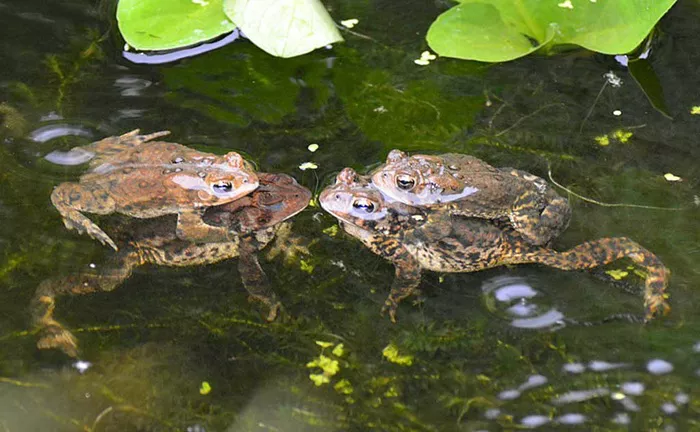
The American toad (Anaxyrus americanus) is a common amphibian found across much of North America. Known for its warty skin, distinctive call, and nocturnal habits, this species is often kept by hobbyists and studied by researchers. One of the most common questions among amphibian enthusiasts is whether American toads can live together in the same enclosure. Understanding their behavior, habitat requirements, and social tendencies is crucial to providing proper care and avoiding stress or injury.
Natural Habitat and Behavior
In the wild, American toads are mostly solitary creatures. They spend much of their time hidden under logs, leaf litter, or burrowed in moist soil. Their activity peaks at night when they hunt for insects, worms, and other small invertebrates. During the breeding season, males congregate near ponds or temporary pools to call for females, but outside this period, they generally avoid each other.
Social Tendencies of American Toads
American toads are not naturally social animals. While they can tolerate the presence of other toads for short periods, prolonged cohabitation can lead to competition for food and hiding spaces. Stress can result in poor health, suppressed appetite, and increased susceptibility to disease. Observing their natural tendencies helps us understand that American toads do not form social bonds like some other amphibians might.
Territorial Behavior
Although not aggressively territorial, American toads do establish personal space. In captivity, limited enclosure space can lead to territorial disputes. Younger toads or smaller individuals may be bullied by larger or more dominant ones. Providing adequate space, hiding spots, and separate feeding areas can reduce conflict but does not eliminate the innate stress of cohabitation.
Housing Multiple Toads
If you decide to keep more than one American toad, there are several key considerations:
- Tank size: Each toad requires sufficient space to move, hide, and explore. A minimum of 10 gallons per toad is often recommended.
- Hiding spots: Use logs, plants, and small shelters to allow each toad a private area.
- Temperature and humidity: Consistent environmental conditions are essential. American toads prefer a temperature range of 65–75°F and humidity levels of 50–70%.
- Feeding: Separate feeding sessions can prevent competition and aggression over food.
Breeding Considerations
During the breeding season, male toads become highly vocal and competitive. Housing multiple males together can lead to excessive stress, increased aggression, and potential injury. If breeding is the goal, it is best to house males and females in separate but nearby enclosures until ready for mating. Proper breeding setups should mimic natural conditions, including shallow water areas for egg-laying and adequate space for juvenile toads.
Health and Disease Risks
Keeping multiple toads together increases the risk of disease transmission. Common amphibian illnesses such as fungal infections, bacterial diseases, and parasites can spread rapidly in a shared environment. Regular monitoring, quarantine of new or sick individuals, and maintaining cleanliness in the enclosure are critical to preventing outbreaks.
Alternative Housing Options
For those who want to observe multiple American toads without compromising their well-being, consider these alternatives:
- Visual proximity: Housing toads in separate tanks that allow visual or auditory contact can reduce loneliness while preventing direct conflict.
- Seasonal grouping: Temporary grouping during the breeding season can be managed with close supervision and extra space.
- Outdoor habitats: In secure, spacious outdoor enclosures, multiple toads may coexist with reduced stress, as the environment more closely resembles their natural habitat.
Signs of Stress in Cohabiting Toads
Even with careful planning, cohabiting American toads can exhibit stress. Key signs include:
- Lethargy or refusal to eat
- Excessive hiding or avoidance of other toads
- Scrapes or injuries from aggressive encounters
- Increased susceptibility to illness
Promptly addressing these signs, such as separating the toads or providing additional hiding areas, is essential for their health.
Expert Recommendations
Amphibian experts generally recommend housing American toads individually unless there is ample space, multiple hiding spots, and close monitoring. While short-term cohabitation can be tolerated, the safest approach for long-term health and well-being is to maintain separate enclosures for each toad.
Conclusion
In summary, while American toads can sometimes live together under carefully controlled conditions, their natural solitary tendencies make cohabitation risky. Adequate space, hiding spots, and proper monitoring are critical for minimizing stress and avoiding injury or disease. For most hobbyists and researchers, housing American toads individually is the safest and most responsible choice. Understanding their natural behaviors and environmental needs ensures healthy, happy toads and a rewarding experience for their caretakers.