
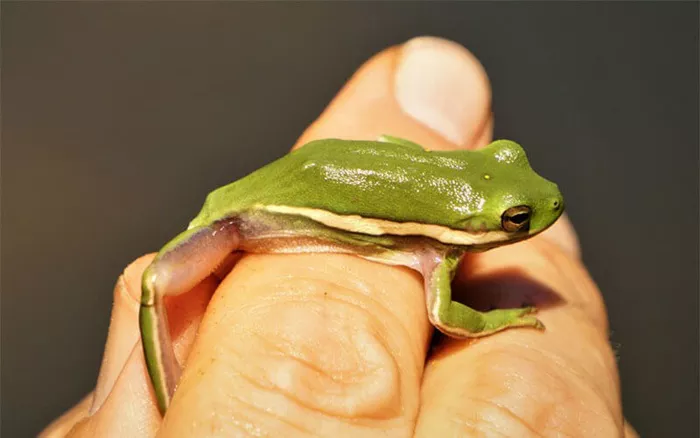
Green tree frogs are one of the most popular amphibians kept as pets due to their vibrant green color and gentle nature. They are small, nocturnal, and relatively easy to care for. However, when it comes to housing green tree frogs with other animals, caution is necessary. Their small size and delicate skin make them vulnerable to stress, injury, or disease if housed with incompatible species. In this article, we will explore which species can safely share a habitat with green tree frogs, how to maintain a healthy mixed-species environment, and tips for preventing common problems.
Understanding Green Tree Frog Behavior
Before introducing any cohabitants, it is important to understand green tree frog behavior. Green tree frogs are arboreal, meaning they spend most of their time in trees or on vertical surfaces. They are nocturnal, feeding at night and resting during the day. They prefer humid environments with plenty of hiding spots and climbing structures. Green tree frogs can be territorial, especially males, so careful planning is needed when adding tank mates.
Factors to Consider When Choosing Tank Mates
Green tree frogs are sensitive to their surroundings. When choosing animals to live with them, consider the following factors:
Size Compatibility
Tank mates should be similar in size or smaller than green tree frogs. Larger animals can accidentally injure or eat them.
Environmental Requirements
Green tree frogs require warm, humid conditions. Any cohabiting species must tolerate similar temperature and humidity ranges, typically 75-85°F during the day and 65-75°F at night with 50-80% humidity.
Behavioral Compatibility
Peaceful, slow-moving species are ideal. Aggressive or overly active species may stress or harm green tree frogs.
Dietary Considerations
Green tree frogs are insectivores. Tank mates should not compete for the same food aggressively. Avoid carnivorous species that might eat the frogs.
Safe Tank Mates for Green Tree Frogs
Several species can live alongside green tree frogs under proper conditions. These species are generally peaceful and share similar environmental needs.
Other Small Frogs
Pacific Tree Frogs: Small and arboreal, Pacific tree frogs are compatible due to similar habits and diet.
White’s Tree Frogs: Slightly larger, these frogs are docile and can coexist with green tree frogs if the enclosure is spacious and well-structured.
Small, Peaceful Lizards
Some small, non-aggressive lizards may coexist with green tree frogs. Key considerations include avoiding ground-dwelling species that could stress frogs.
Anoles: Small green or brown anoles can live in a tall, planted terrarium. Ensure there are plenty of hiding spots for frogs to escape.
Non-Aggressive Invertebrates
Certain invertebrates are safe companions as long as they are not predatory. They can help maintain tank hygiene and provide environmental enrichment.
Springtails and Isopods: These small detritivores clean up mold and waste without harming frogs. They can thrive in the moist substrate preferred by green tree frogs.
Plants as Companions
While not animals, live plants are excellent additions to a green tree frog enclosure. They provide hiding spots, climbing surfaces, and help maintain humidity.
Ficus and Pothos: These hardy plants tolerate humid, warm conditions and provide cover for frogs.
Bromeliads: These plants collect water in their leaves, creating natural microhabitats for frogs.
Species to Avoid with Green Tree Frogs
Not all animals are safe to house with green tree frogs. Avoid the following:
Aggressive Amphibians
Large Frogs: Species like African bullfrogs can eat green tree frogs due to size differences.
Toads: Some toads secrete toxins harmful to small frogs.
Predatory Reptiles
Snakes, larger lizards, and predatory reptiles can injure or eat green tree frogs.
Aquatic Species
Green tree frogs are primarily arboreal. Fish or aquatic animals can introduce disease or create water quality problems unsuitable for frogs.
Overcrowding
Even compatible species should not overcrowd the enclosure. Stress from limited space can lead to illness or death.
Creating a Shared Habitat
When planning a shared enclosure for green tree frogs, follow these guidelines:
Provide Vertical Space
Install branches, vines, and plants for climbing. This allows frogs and lizards to occupy different levels, reducing conflict.
Maintain High Humidity
Regular misting or automated foggers help maintain 50-80% humidity. Use live plants to support humidity and improve air quality.
Multiple Hiding Spots
Green tree frogs are shy. Provide leaves, cork bark, or small shelters to allow them to hide when stressed.
Separate Feeding Areas
Feed insects in multiple locations to prevent competition and ensure each species gets enough food.
Monitor Health Closely
Check for signs of stress, injury, or illness. Remove any animal showing aggression or poor health immediately.
Behavioral Observations and Adjustments
Even with careful planning, monitoring behavior is crucial. Observe interactions regularly:
Signs of Stress
Frogs may hide excessively, refuse food, or show weight loss. Stress can be caused by aggressive tank mates, overcrowding, or improper environment.
Signs of Aggression
Chasing, biting, or territorial disputes indicate incompatibility. Immediate separation is necessary to prevent injury.
Adjustments
If problems occur, rearrange climbing structures, add more hiding spots, or increase enclosure size. In some cases, separation may be the best solution.
Maintaining Water Quality
Even arboreal species benefit from clean water sources. Maintain small water dishes or shallow pools:
Filtration
Simple filtration helps prevent bacterial growth. Avoid strong currents that could stress small frogs.
Regular Cleaning
Remove uneaten food and waste daily. Change water at least twice a week to prevent contamination.
Water Parameters
Use dechlorinated or filtered water. Maintain pH around 6.5-7.5. Temperature should match ambient enclosure temperatures.
Enrichment for Green Tree Frogs and Tank Mates
Enrichment keeps frogs and other species active and healthy:
Climbing Structures
Branches, bamboo sticks, and vines encourage natural climbing behavior.
Plants and Moss
Live plants offer hiding places, improve humidity, and allow natural exploration.
Hiding Spaces
Hollow logs, cork bark, and leaf piles create retreats and reduce stress.
Feeding Enrichment
Offer live insects like crickets or fruit flies in multiple areas to encourage hunting and natural behavior.
Common Problems and Solutions
Mixed-species enclosures require careful management. Common issues include:
Stress and Illness
Overcrowding, incompatible species, or poor environment can lead to stress-related illnesses. Solution: monitor behavior, increase space, provide more hiding spots, or separate incompatible species.
Predation
Even small frogs can be eaten by slightly larger species. Solution: never house larger predatory species with green tree frogs.
Dietary Competition
Species competing for the same food may cause malnutrition. Solution: multiple feeding points and careful selection of cohabitants.
Mold and Bacteria
High humidity without proper cleaning can lead to disease. Solution: clean regularly, maintain proper water quality, and use beneficial invertebrates like springtails.
Breeding Considerations
If breeding green tree frogs or other species in a shared tank, additional precautions are necessary:
Separate Breeding Tanks
Breeding often requires different conditions. Use separate enclosures to prevent stress or predation on eggs or tadpoles.
Species-Specific Conditions
Temperature, water depth, and humidity may need adjustment during breeding. Do not assume all cohabitants can tolerate these changes.
Long-Term Maintenance
Maintaining a mixed-species habitat is an ongoing commitment:
Regular Observation
Daily checks for injuries, illness, and stress are essential. Early intervention can prevent serious problems.
Enclosure Upkeep
Regular cleaning, plant maintenance, and substrate replacement help maintain health and prevent disease.
Adjusting Cohabitants
As frogs grow, tank mates may become incompatible. Be ready to make changes to avoid conflicts or stress.
Tips for Beginner Keepers
If you are new to keeping green tree frogs:
Start With Single Species
Before attempting a mixed-species tank, start with only green tree frogs to learn their behavior and needs.
Research Each Species
Learn about environmental, dietary, and behavioral requirements of any potential tank mates.
Use a Tall, Well-Planted Terrarium
Vertical space and plants reduce conflict and mimic natural habitats.
Provide Multiple Hiding Spots
Shy frogs need secure retreats. Multiple hiding spots reduce stress and aggression.
Conclusion
Green tree frogs can coexist with certain peaceful amphibians, small lizards, non-predatory invertebrates, and live plants if careful planning is applied. Key factors include size compatibility, environmental needs, behavioral traits, and dietary habits. A well-planned mixed-species enclosure can be enriching for both frogs and their tank mates, but it requires ongoing monitoring, proper feeding, clean water, and attention to signs of stress or aggression. By understanding the needs of each species and providing a suitable habitat, keepers can create a safe, vibrant, and natural environment for green tree frogs to thrive alongside compatible companions.
Related topics: