
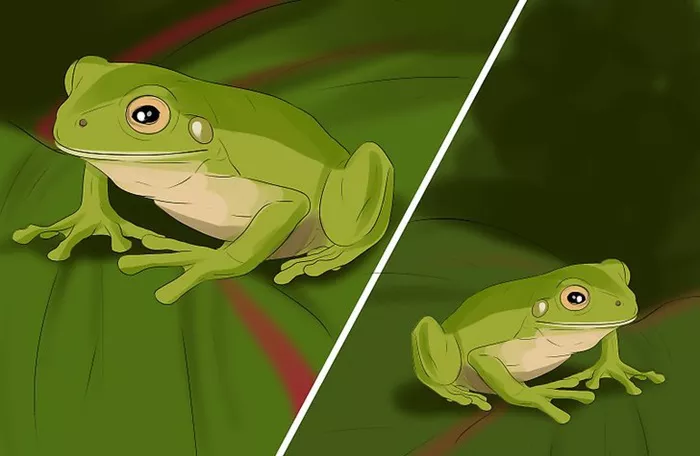
The green tree frog is a popular amphibian kept by enthusiasts around the world. Many people notice that their frogs sometimes change color or appear darker than usual. Understanding why your green tree frog is dark green can help you provide better care and ensure the health of your pet. In this article, we will explore the reasons for color changes, the biology of green tree frogs, and what you can do as an owner to support your pet’s wellbeing.
Understanding Green Tree Frog Coloration
Green tree frogs are naturally bright green, but their color is not fixed. Their skin can change shade depending on several factors. These changes are often completely normal and are a natural part of their behavior and biology.
Chromatophores and Skin Pigments
Frogs have special cells in their skin called chromatophores. These cells contain pigments that create color. There are three main types of chromatophores:
- Xanthophores: Produce yellow and red pigments.
- Iridophores: Reflect light and create shiny or metallic colors.
- Melanophores: Produce dark brown or black pigments.
The combination of these cells determines the frog’s overall color. When melanophores expand, the frog appears darker green. This is a natural way for frogs to adjust to their environment.
Genetic Factors
Some green tree frogs naturally have darker skin due to their genetics. Just like humans have different skin tones, frogs have variations in pigmentation. A dark green frog may simply be expressing its natural coloration, and this is usually not a cause for concern.
Environmental Factors That Affect Color
Frogs are highly sensitive to their surroundings. Several environmental factors can influence the darkness of their skin.
Temperature
Green tree frogs often darken in cooler temperatures. When the temperature drops, melanophores expand to help absorb more heat from their surroundings. Conversely, in warmer conditions, frogs may appear brighter green.
Humidity and Moisture
Frogs are sensitive to humidity levels. In dry conditions, their skin may become darker as they conserve moisture. Proper humidity in their enclosure helps maintain their normal bright green color. For most green tree frogs, humidity should stay around 50-70%.
Lighting Conditions
Frogs adjust their color to blend into their surroundings. When placed in a dark or shaded area, they often appear darker to camouflage themselves. Bright light encourages a lighter green coloration. Providing a proper day-night cycle is important for their natural behavior.
Substrate and Background
Green tree frogs can change color to match their environment. If they are on dark leaves, bark, or soil, their skin may darken. This is a natural form of camouflage and is not harmful to the frog.
Health Factors Influencing Dark Green Color
Sometimes, a change to dark green can indicate stress or health problems. It is important to recognize the signs so that you can respond appropriately.
Stress Responses
Frogs often darken when stressed. Common stress factors include:
- Handling too often or roughly.
- Poor enclosure conditions, such as improper humidity, temperature, or lighting.
- Presence of predators or sudden changes in environment.
Stress-induced color changes are usually temporary. Reducing stress and providing a stable environment can return the frog to its normal bright green shade.
Illness and Disease
Some diseases can cause a frog’s skin to darken. For example, fungal infections, bacterial infections, and parasitic infestations may affect skin color. Other signs of illness include lethargy, loss of appetite, and unusual behavior. If you notice persistent darkening accompanied by other symptoms, consult a veterinarian who specializes in amphibians.
Nutritional Factors
Diet can also affect skin pigmentation. A lack of essential nutrients, especially vitamins and minerals, may result in dull or unusually dark skin. Feeding your frog a balanced diet, including live insects such as crickets and fruit flies, helps maintain healthy coloration.
Behavioral Factors Affecting Skin Color
Frogs do not just change color because of their health or environment; their behavior also plays a role.
Mating and Reproduction
During breeding season, some green tree frogs may change color to become darker or more vibrant. This helps them attract mates or establish territory. These color changes are normal and temporary.
Hiding and Camouflage
Frogs often darken their skin when hiding or resting. Darker skin makes them less visible to predators and helps them stay safe. This adaptive behavior is natural and should not worry owners.
How to Care for Your Green Tree Frog
Proper care helps maintain the natural bright green color of your frog and prevents health issues that might cause unwanted darkening.
Enclosure Setup
A suitable enclosure is essential. Green tree frogs need vertical space, live or artificial plants for climbing, and areas to hide. Substrate should retain some moisture but not stay soggy. Ensure proper ventilation to prevent mold growth.
Temperature and Humidity Control
Maintain a temperature between 75°F and 85°F during the day and a slightly cooler temperature at night. Keep humidity between 50% and 70%. Mist the enclosure daily if needed to maintain moisture.
Lighting and Day-Night Cycle
Provide a 12-hour day-night cycle using natural or artificial light. UVB lighting is not strictly necessary but may improve overall health. A proper light cycle supports natural coloration and activity patterns.
Feeding and Nutrition
Feed your frog live insects, dusted with calcium and vitamins. A varied diet helps maintain healthy skin and strong immune function. Avoid overfeeding, as obesity can lead to health issues.
Handling and Stress Reduction
Handle your frog minimally. When necessary, always wash your hands and handle gently. Reduce loud noises and sudden movements around the enclosure. A calm environment helps maintain natural color and overall wellbeing.
Common Myths About Dark Green Frogs
There are many misconceptions about why frogs turn dark green. Understanding the facts can help you avoid unnecessary worry.
Myth 1: Dark Green Means Illness
Not always. Frogs often darken temporarily due to temperature, lighting, or camouflage needs. Only persistent darkening with other symptoms should raise concern.
Myth 2: Frogs Need Constant Sunlight
While lighting helps regulate color and activity, too much direct sunlight can harm your frog. A proper artificial light cycle is safer and more effective than constant sun exposure.
Myth 3: All Frogs Should Be Bright Green
Green tree frogs have natural variation in coloration. Some are naturally darker, even at full health. Comparing your frog to others is not always meaningful.
Signs of a Healthy Green Tree Frog
Even if your frog is dark green, it may be perfectly healthy. Look for these signs:
- Bright, clear eyes
- Active climbing and exploring
- Healthy appetite
- Normal shedding of skin
- Smooth, moist skin without lesions
If your frog shows these signs, color alone is not a reason for concern.
Monitoring Your Frog’s Color Changes
Keep a journal of your frog’s color changes along with environmental conditions. Note temperature, humidity, lighting, and diet. This record helps identify patterns and detect potential health issues early.
Photographing Your Frog
Taking photos under consistent lighting helps track changes accurately. Compare images over time to see if darkening is temporary or persistent.
Consulting a Veterinarian
If dark green coloration is accompanied by lethargy, weight loss, or abnormal behavior, consult a veterinarian experienced with amphibians. Early diagnosis can prevent serious health problems.
Conclusion
Green tree frogs can appear dark green for a variety of reasons, including environmental conditions, genetics, behavior, stress, and health issues. Most of the time, temporary darkening is normal and harmless. By providing the right habitat, diet, and care, you can ensure your frog remains healthy and vibrant. Understanding the natural biology of these amphibians helps you interpret color changes correctly and enjoy your pet with confidence.
Related topics: