
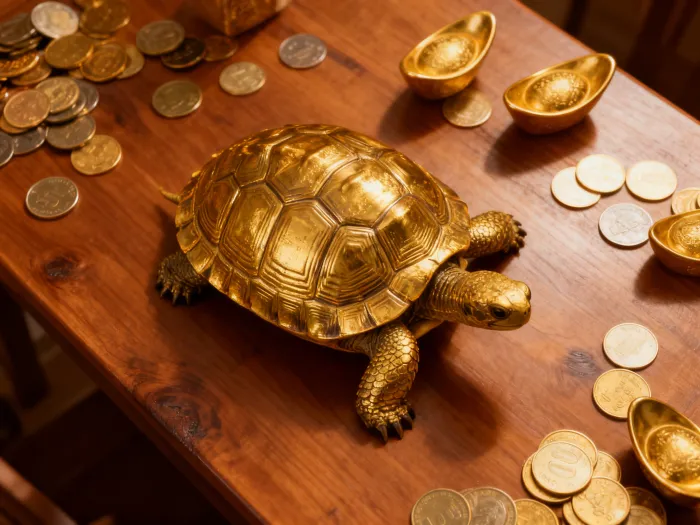
Have you ever wondered why tortoises are seen as good luck in many cultures? It’s a question that combines ancient beliefs, fascinating biology, and modern reptile science. Today, let’s crack open this shell of mystery together—are tortoises really good luck, or is it just superstition? Read on for some awesome insights, and don’t miss out on surprising facts about these unique reptiles!
The Tortoise: More Than Just a Slow Mover
When you picture a tortoise, you might see a slow, steady animal with a hard shell. But did you know that in many cultures, the tortoise is much more than just a reptile? The tortoise, part of the Testudines order, is often compared to a living “shield”—protective and enduring. Its shell is like nature’s armor, giving it a sense of resilience and safety. This quality has led people to associate tortoises with longevity and protection.
Tortoises in Ancient Beliefs
From China to India, and even in Greek mythology, tortoises have symbolized good fortune for centuries. In Feng Shui—a Chinese art of arranging spaces for harmony—the tortoise is one of the four celestial animals and stands for stability and support. Placing a tortoise figurine at home is believed to attract luck and ward off bad energy. Similarly, in Hindu traditions, the world is said to rest on the back of a giant tortoise—talk about carrying the weight of good luck!
Scientific Perspective: The Reality Behind the Myth
But what do scientists say about this lucky reputation? As a zoologist specializing in reptiles, I can tell you that while tortoises themselves don’t bring luck in any mystical way, their biology inspires admiration. Tortoises are among the longest-living reptiles; some species can live over 100 years! Imagine having a pet that could see generations grow up. Their slow metabolism and tough shell are like built-in survival tools—almost like having an unbreakable smartphone case!
Why Do People Feel Lucky Around Tortoises?
Here’s an analogy: think of the tortoise as your wise grandparent—slow to act, but full of experience and calm energy. People often feel relaxed and hopeful when they watch a tortoise move quietly through its environment. According to reptile keepers I’ve spoken with, many owners feel their homes become more peaceful with a tortoise around. One enthusiast shared that her Hermann’s tortoise seemed to “bring tranquility” after stressful days.
Tortoise Species Associated with Good Luck
Some specific species have earned special reputations:
- Indian Star Tortoise: Its star-patterned shell makes it popular in South Asian homes as a lucky charm.
- Red-footed Tortoise: Known for its vibrant markings and gentle temperament, it’s often seen as bringing positive energy.
- Sulcata Tortoise: With its impressive size and friendly nature, owners say it “anchors” family life.
These reptiles aren’t just pets—they’re living symbols of endurance.
Caring for Your Lucky Reptile
If you’re thinking about adding a tortoise to your life for good luck or companionship, remember: owning any reptile comes with responsibility. Tortoises need proper habitat—think warm basking spots (like sunbathing at the beach), fresh veggies (a salad bar!), and regular check-ups from an experienced vet. Their slow pace means you need patience, but their presence can teach us valuable lessons about persistence.
Interesting Anecdotes from Reptile Owners
Reptile keepers often share stories where their tortoises seem to “sense” family moods or become active during important occasions. One keeper noted that his Greek tortoise always emerged from hiding during celebrations—almost as if joining in on the joy! While there’s no scientific proof that these behaviors bring luck, they certainly add charm to everyday life.
The Verdict: Is the Tortoise Truly Good Luck?
So—does keeping a tortoise guarantee good fortune? Scientifically speaking, there’s no evidence that owning any reptile can change your destiny. However, what is clear is that the presence of these ancient creatures brings emotional comfort, teaches patience, and adds an element of wonder to our homes. In this way, perhaps the real “luck” comes from how we care for them—and what they inspire in us.
Conclusion
Tortoises have been cherished as symbols of good luck across cultures for thousands of years. While their mystical reputation may be rooted more in tradition than science, their remarkable biology and calming presence offer real benefits to those who welcome them into their lives.
Whether you see your pet tortoise as a lucky charm or simply appreciate its gentle nature among reptiles, caring for these amazing animals reminds us all to slow down and enjoy life’s journey—just like they do.
Related topics: