
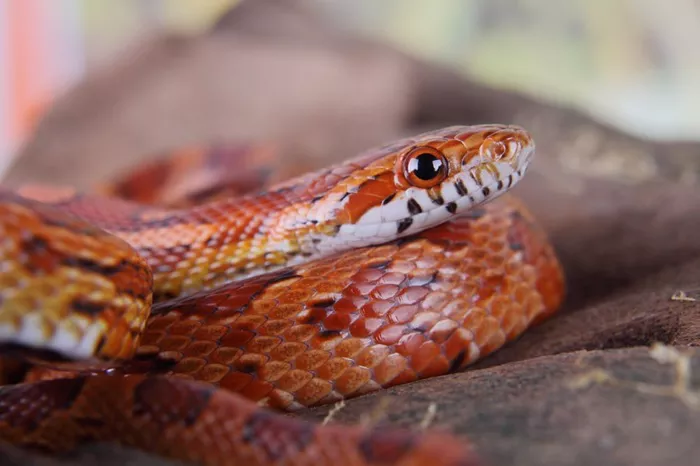
Have you ever wondered where the beautiful corn snake, with its vibrant orange and black patterns, makes its home? If you’re like many reptile lovers, the sight of a corn snake in the wild or in your home aquarium can be simply captivating. These snakes are known for their stunning appearance and calm temperament, making them one of the most popular pet snakes. However, where exactly do corn snakes come from, and what is their natural habitat like?
In this article, we’ll dive deep into the world of corn snakes, uncovering the places they call home, their preferred environments, and how they thrive in the wild. We’ll explore their range across North America and even touch on the conditions that make these snakes such amazing creatures to keep as pets. Let’s get started!
1. What Is a Corn Snake?
Before we jump into where corn snakes are found, let’s take a brief moment to understand what makes them so unique. The corn snake (Pantherophis guttatus) is a species of rat snake that is native to the southeastern United States. It is often referred to as the “red rat snake” due to its red, orange, and black pattern that resembles the color of corn kernels. Their mild temperament and ease of care make them a popular choice among reptile enthusiasts.
If you’ve ever seen one, you’ll know just how stunning they are! They can grow anywhere from 3 to 6 feet long, and their coloration allows them to blend into various environments, especially near agricultural areas where rodents are plentiful.
2. Where Are Corn Snakes Found in the Wild?
Native Habitat: Southeastern United States
Corn snakes are primarily found in the southeastern United States. Their range stretches from the southern parts of Virginia down through the Carolinas, Georgia, Alabama, and Florida, and westward to eastern Louisiana. These areas provide the right mix of warmth, humidity, and natural cover, which is perfect for corn snakes.
Where Do Corn Snakes Live?
Corn snakes are most commonly found in woodlands, grasslands, and farmlands. They prefer habitats with abundant hiding spots—things like fallen logs, rock piles, and dense vegetation. Corn snakes are ground dwellers, meaning they spend most of their time on the forest floor or in low shrubbery. However, they are also excellent climbers, and you may occasionally find them perched in trees, especially when hunting for prey like rodents, birds, and eggs.
Their name, “corn snake,” is believed to come from their fondness for living in cornfields or agricultural areas. Farmers used to notice these snakes in their fields, where they helped keep rodent populations under control. You can think of them as nature’s “pest control,” making them invaluable to farmers.
3. Climate and Environmental Preferences
Warmth and Humidity: Key Factors for Survival
Corn snakes thrive in temperate climates, where they can enjoy a warm environment. Their bodies are designed to handle the heat, and they prefer temperatures between 75°F and 85°F (24°C to 29°C) during the day. At night, they seek cooler spots, usually around 60°F to 70°F (16°C to 21°C). This temperature range helps corn snakes regulate their body heat effectively.
Since they are native to areas with mild winters, corn snakes are not cold-hardy. They enter a form of dormancy during the colder months, often hiding under leaf litter or in burrows. If you live in an area where winters are too cold for them, you won’t find corn snakes in the wild—except perhaps in some areas of the southern U.S. that offer year-round warmth.
Rainfall and Humidity Levels
Humidity is also an important factor for corn snakes. In the wild, they are typically found in areas where the humidity is moderate, around 50-60%. Too much humidity can lead to skin issues and respiratory infections, so corn snakes like it just right. This is why they can often be seen in grasslands or farmlands, where moisture levels are balanced.
4. Habitats Across the U.S.
In Woodlands and Forests
Corn snakes are frequently found in woodlands and forests, especially in the southeastern United States, where they can hide among fallen leaves and branches. These habitats offer them the perfect mix of warmth and cover, where they can go undetected by predators and sneak up on their prey.
Example: In the forests of Alabama, you might spot a corn snake curled up under a rotting log, camouflaged by its reddish-brown scales.
Farmlands and Agricultural Areas
If you’ve ever heard the term “corn snake,” it’s because these reptiles are often found in cornfields and other agricultural areas. These fields provide ample food sources, mainly rodents that are attracted to the grain crops. Corn snakes often take advantage of the abundant food supply in these areas, making them a natural ally to farmers looking to reduce rodent populations.
Real-life Story: Many farmers in Georgia have reported seeing corn snakes in their fields, where the snakes help keep the rodent population under control, offering a natural and eco-friendly solution to pest problems.
Urban and Suburban Areas
Corn snakes have adapted to urban and suburban environments as well. As human development spreads into their natural range, these snakes have learned to live in abandoned buildings, vacant lots, and yards with dense vegetation. They are excellent at hiding, often slipping unnoticed through cracks in walls or under piles of leaves.
Fun Fact: Corn snakes are often found near human dwellings because of the easy access to food. They are opportunistic feeders and will take advantage of any accessible rodents.
5. The Corn Snake in Captivity
While corn snakes are found in the wild in specific areas of the United States, they are also a popular pet worldwide. When kept in captivity, their needs are quite simple, but they do require the proper environment to thrive. Just like their wild counterparts, pet corn snakes need a warm habitat, access to food, and a place to hide.
If you are thinking about getting a corn snake, make sure you replicate their natural environment. Provide a properly heated enclosure, hiding spots, and suitable humidity levels. This will ensure that your corn snake is happy and healthy in its new home.
6. Why Is This Snake So Common in the U.S.?
Adaptability
One of the reasons corn snakes are so widespread in the U.S. is their adaptability. They are not particularly picky about their habitat and can survive in a variety of environments. From the woodlands of Florida to the agricultural fields of Georgia, corn snakes have proven their ability to adapt and thrive in different ecosystems.
Low Risk from Predators
Corn snakes are non-venomous and not particularly large, which means they face fewer natural predators. However, they still have to deal with birds of prey, larger snakes, and even humans. Despite this, their camouflage and quick movements make them difficult to spot in the wild.
Conclusion
In conclusion, corn snakes are found throughout the southeastern United States, living in woodlands, grasslands, farmlands, and even urban areas. Their adaptability, combined with their ability to blend into various habitats, has made them one of the most widespread and beloved snake species in North America. Whether you find them in the wild or as a pet, corn snakes continue to captivate with their beauty and fascinating habits.
Related topics: