
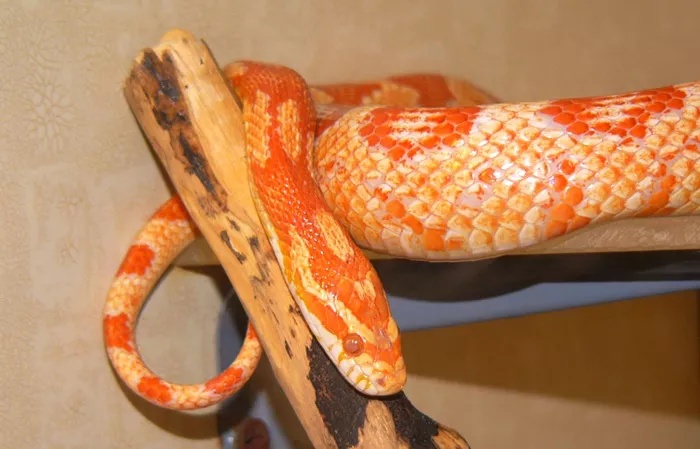
Have you ever found your corn snake slithering near the top of its enclosure, trying to squeeze through the tiniest of gaps? You might be scratching your head, wondering, Why on earth is my corn snake trying to escape? Corn snakes are usually calm and curious creatures, but if they’re acting like Houdini, it can be quite concerning. The good news is, you’re not alone—many snake owners face this issue.
This article will break down the most common reasons behind your corn snake’s adventurous escape attempts, offer simple solutions, and guide you through creating a secure and comfortable environment for your pet.
Understanding Corn Snake Behavior
Before diving into escape attempts, let’s first understand how corn snakes think. Unlike mammals, snakes are driven by instincts—food, shelter, safety, and reproduction. Corn snakes, in particular, are native to North America and are known for their calm temperament, making them a popular pet. But even the calmest snake can get a little restless if its environment isn’t just right.
Territory and Exploration Instincts
Just like a curious cat, a corn snake has a strong urge to explore its surroundings. In the wild, these snakes roam over vast areas, seeking food, shelter, and mates. When they’re kept in captivity, these instincts don’t just disappear. Your corn snake might not be able to roam the entire house, but its enclosure should still feel large and stimulating.
Comparison: Think of it like this: Imagine living in a small room with no windows. Even if it’s comfortable, you’d probably want to explore outside at some point. That’s how your snake feels when it’s trying to break free.
Seeking More Space
While corn snakes don’t grow to be massive, they do appreciate having plenty of room to move. If your snake’s enclosure feels cramped, it may start trying to escape in search of more space.
Pro Tip: Ensure your enclosure is at least the length of the snake’s body plus some extra room for movement. A too-small enclosure can make your corn snake feel confined and restless, prompting escape attempts.
Common Reasons for Escape Attempts
1. Inadequate Enclosure Size
As mentioned earlier, your corn snake may feel confined in an enclosure that’s too small. Even if the space seems enough for a snake, remember that corn snakes are active climbers and burrowers in the wild. If their space doesn’t reflect their natural behavior, they’ll try to find somewhere that does.
Real-Life Example: A snake owner named Lisa found that her corn snake, Charlie, would constantly climb the walls of his tank. After switching to a larger enclosure, Charlie settled down and stopped his escape antics.
Solution: A 20-gallon tank is the minimum for an adult corn snake, but more space is always better. The larger the enclosure, the happier your snake will be!
2. Temperature and Humidity Issues
Snakes are cold-blooded, which means they rely on their environment to regulate their body temperature. If your corn snake’s tank is too hot or too cold, it will try to escape in search of a more comfortable environment. Similarly, improper humidity levels can cause discomfort, leading your snake to try and find relief elsewhere.
Comparison: Think about how you feel when you’re too hot or too cold. You wouldn’t just sit there; you’d move around until you found a more comfortable spot. Your snake is doing the same thing.
Solution: Ensure your corn snake’s tank has a temperature gradient (a warm side and a cooler side) with temperatures between 75-85°F (24-29°C). Humidity should range between 40-60%. A simple thermometer and hygrometer will help you monitor these factors.
3. Lack of Hiding Spaces
Corn snakes, like most reptiles, are shy creatures that need a place to hide. If their enclosure lacks proper hiding spots, your snake may feel vulnerable and unsafe, triggering escape attempts. Remember, a snake in the wild can hide in logs, burrows, or dense foliage. In captivity, it needs similar places to feel secure.
Solution: Provide two or three hiding spots at different locations in the tank. These can be commercially bought or made from simple items like cardboard boxes or PVC pipes.
4. Breeding Season Behavior
Corn snakes, like many reptiles, may exhibit restlessness during mating season. This behavior often includes increased activity or attempts to escape. While they don’t need a mate in captivity, their hormones can drive them to behave as if they do. This might seem odd, but it’s just nature’s way.
Real-Life Example: Jim, another corn snake owner, noticed his snake was extra active during the spring months. After some research, he discovered that his snake was simply experiencing hormonal changes associated with the breeding season.
Solution: During breeding season, ensure your snake’s environment is as stress-free as possible. If you don’t plan to breed, make sure the enclosure is optimized for comfort with plenty of hiding spots and secure barriers.
5. Feeding and Hunger
Corn snakes are opportunistic feeders. If they feel like they’re not being fed enough or if their prey is out of reach, they may attempt to escape in search of food. Snakes have an incredible sense of smell, and they might even be able to smell food in other parts of the house, which can encourage escape attempts.
Comparison: It’s like when you’re really hungry and can smell food coming from another room. You’re probably going to want to find out where it’s coming from, right? Your corn snake is doing the same.
Solution: Ensure your snake is fed regularly. Juvenile corn snakes may need to be fed every 5-7 days, while adults can go 7-10 days between meals. Offering the right size of prey will also prevent your snake from going after anything else it can find.
6. Stress from External Factors
External stressors such as loud noises, excessive handling, or even the presence of other pets can lead to escape attempts. Snakes are highly sensitive to vibrations and changes in their environment, so any disruption can make them feel unsafe or uncomfortable.
Solution: Keep your corn snake’s tank in a quiet area of your home, away from loud noises or pets that might stress it out. If you need to handle your snake, try to keep it to a minimum, especially when it’s adjusting to its new home.
7. Improper Tank Lid or Locking Mechanism
A less obvious but common reason your corn snake may be trying to escape is that the tank is not properly secured. Snakes, especially young ones, can be surprisingly strong and resourceful when it comes to escaping. If the lid or locking mechanism of the tank is not secure, your snake will find a way to break free.
Solution: Double-check that your tank’s lid fits snugly and that any locking mechanisms are in place. Even if the tank is made of glass, snakes can still squeeze through small openings.
How to Prevent Your Corn Snake from Escaping
1. Secure Enclosure Design
Choose a secure, escape-proof tank. If you’re unsure about the design, look for aquariums with locks or sliding lids that can’t be easily lifted. Secure all openings and gaps to prevent your corn snake from finding an exit route.
2. Temperature and Humidity Control
Install heating pads, heat lamps, and humidity gauges to keep your snake’s environment stable. This will not only prevent escape attempts but also improve your snake’s overall health.
3. Sufficient Hiding Spots
As discussed earlier, your corn snake needs places to hide and feel safe. Ensure there are several hiding spots in its enclosure, ideally offering both warm and cool options.
4. Maintain a Regular Feeding Schedule
Keep your corn snake well-fed on a consistent schedule. Hunger can lead to escape attempts, so providing enough food on time can reduce this behavior.
Conclusion
Your corn snake’s escape attempts can be frustrating, but they’re usually a sign that something in its environment isn’t quite right. By understanding its needs—space, temperature, security, and comfort—you can create a habitat that keeps your snake happy and safe, reducing the chances of it trying to break free.
If your snake is still trying to escape after addressing these factors, it might be time to consult with a reptile vet to rule out any health issues. Remember, a happy snake is a safe snake!
Related topics: