
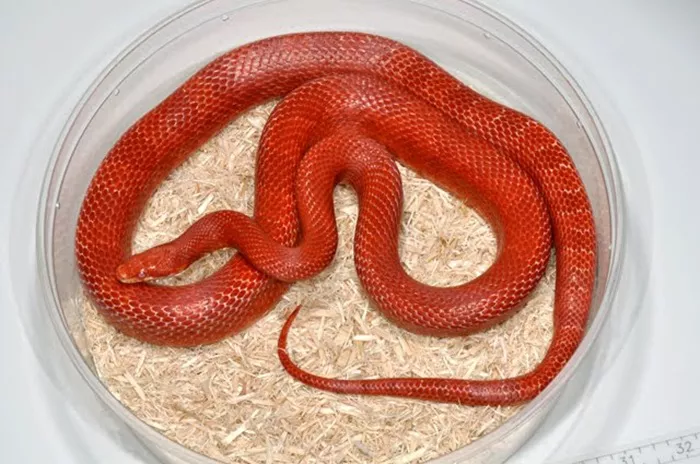
Are you scratching your head, wondering why your corn snake seems so full of energy? It’s normal to be curious when your pet reptile behaves in ways that seem out of the ordinary. In this article, we’ll explore the fascinating reasons behind why corn snakes might exhibit high levels of activity, and what it means for their well-being.
Corn snakes, often considered one of the best pet reptiles due to their manageable size and friendly temperament, are not just docile creatures—they can also be incredibly active. So, what’s going on when your corn snake is slithering around its enclosure at all hours? Let’s dive into the world of these remarkable reptiles and uncover the causes.
What’s Normal Behavior for Corn Snakes?
Before we talk about why your corn snake might be especially active, it’s important to understand what is considered normal behavior. Corn snakes are naturally curious and energetic, especially during certain times of the day, like dusk and dawn, when they are most active in the wild.
Key traits of a corn snake’s behavior:
- They are primarily nocturnal, meaning they are more likely to be active at night.
- Corn snakes will often explore their surroundings, looking for food or finding comfortable hiding spots.
- Basking under a heat source is a common activity during the day, but it may be interspersed with bursts of movement.
Reasons Your Corn Snake Might Be Active
Several factors contribute to your corn snake’s activity levels. Let’s explore the most common ones:
1. Temperature Changes: The Heat Factor
Corn snakes, like most reptiles, are ectothermic, meaning they rely on external heat sources to regulate their body temperature. If the temperature in their enclosure is too high or too low, it can lead to changes in their behavior.
Too hot: When the environment is too warm, a corn snake might become restless and try to find cooler areas of its habitat.
Too cold: On the flip side, if the temperature is too low, your corn snake might become sluggish, trying to move toward a heat source.
Why does this matter to you? If your snake is overly active, check its temperature. Corn snakes prefer a warm spot in their enclosure, ideally between 75°F and 85°F during the day and slightly cooler at night.
Fun analogy: Think of a corn snake like a car engine—it needs the right temperature to run smoothly. Too hot, and it might overheat; too cold, and it won’t start!
2. Hunger Pangs: A Sign of Thirst and Hunger
Just like humans can get grumpy when they’re hungry, your corn snake may become more active when it’s time for food. Corn snakes are ambush predators, meaning they typically lie in wait for prey to cross their path. When they are hungry, they may be seen roaming more frequently, searching for food.
- Increased activity is a sign that your snake is looking for its next meal.
- Time to feed: Corn snakes should be fed every 5 to 7 days, depending on their age and size.
Pro tip: If your corn snake is continuously active but refuses to eat, it might be stressed. In this case, check its environment—poor humidity or an uncomfortable habitat could be the problem.
3. Breeding Season: The Hormonal Influence
If your corn snake is a mature male, it might be particularly active during the breeding season. Corn snakes have seasonal behavior changes that revolve around mating.
Increased activity during breeding: Males may become more active, moving around their enclosures more often in search of potential mates.
Courtship rituals: This can include rubbing their face along objects, climbing, and even chasing.
It’s natural for a corn snake to become hyperactive during these times. If you have a female corn snake, you may notice similar behavior during the breeding season if she’s nearing ovulation.
4. Stress and Environmental Factors
Just like us, snakes can get stressed. Changes in their environment, such as new surroundings, loud noises, or an unbalanced habitat, can cause your corn snake to become agitated and more active than usual.
New habitat: If you’ve just introduced your corn snake to a new tank or environment, it may be exploring out of nervousness.
Handling stress: If handled too frequently or roughly, your corn snake may become stressed, which can lead to more erratic behavior.
Important to note: Stress isn’t always bad, but if your snake is overly stressed, it could be a sign to change the environment or your handling habits. Snakes need time to acclimate to new surroundings.
5. Shedding: The Slither Before the Shed
Shedding is a natural process for corn snakes as they grow. During this time, your snake may become more active or restless. This increased activity is due to the buildup of skin that it needs to shed, which can be uncomfortable.
Signs of shedding: A duller color, opaque eyes, or excessive rubbing against objects in the enclosure.
Shedding period: This can happen once every few weeks, depending on the age and growth rate of the snake.
6. Boredom: The Desire for Stimulation
Just like pets, corn snakes need mental and physical stimulation. If your snake is constantly on the move, it could be that it’s simply bored. A lack of enrichment, such as climbing structures or hiding spots, can lead to increased movement as the snake searches for something to do.
What you can do:
- Add branches, rocks, or other climbing structures.
- Create hiding places where your corn snake can feel safe.
- Make sure the enclosure is spacious enough to allow for natural movement and exploration.
7. Health Issues: Something to Watch Out For
Occasionally, sudden bursts of activity can be a sign of health issues. If your snake seems unusually active and you notice other symptoms such as weight loss, unusual postures, or changes in behavior, it’s best to consult a vet.
- Parasites or skin infections can cause discomfort, leading to erratic movement.
- Metabolic disorders can also affect your corn snake’s behavior.
If you suspect something is wrong, it’s always better to err on the side of caution.
Conclusion
Corn snakes are fascinating creatures, and their activity levels can tell you a lot about their needs and well-being. Whether they’re moving around due to hunger, shedding, or environmental factors, paying attention to their behavior can help you create a better, more comfortable habitat for them. Keep a close eye on temperature, humidity, and enrichment in their enclosure, and your corn snake will be content and healthy.
Related topics: