
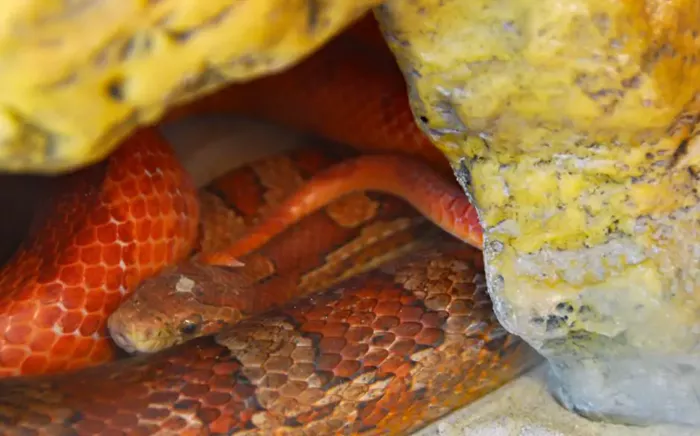
If you’ve noticed your corn snake burrowing, you may be wondering if it’s a sign of something wrong. It’s a behavior that can be puzzling to new snake owners. But don’t worry—it’s completely normal! Corn snakes, like many reptiles, have a variety of reasons for burrowing. Understanding why your corn snake does this can help you provide a better environment for your pet and reduce any worries you might have.
In this article, we’ll break down everything you need to know about burrowing behavior in corn snakes. Whether you’re a beginner or an experienced reptile owner, this guide will answer all your questions and help you understand your snake’s natural instincts. So, let’s dive in!
What Is Burrowing?
Burrowing is the act of digging into the substrate or soil in the enclosure. Corn snakes will often hide beneath the surface, creating a safe and secure spot to relax or sleep. They can dig into a variety of materials such as aspen bedding, coconut husk, or even sand. Think of it like how some animals, such as moles or rabbits, burrow to create a safe den.
For your corn snake, burrowing isn’t just a quirky behavior; it’s instinctual and necessary for its well-being.
Why Do Corn Snakes Burrow?
Now, you might be asking, “Why is my corn snake burrowing all of a sudden?” Let’s take a closer look at the reasons behind this fascinating behavior.
1. Natural Instincts
In the wild, corn snakes are known to hide in small burrows or beneath leaf litter. Burrowing is a survival instinct that helps them avoid predators and regulate their body temperature. When your corn snake digs, it’s simply replicating its natural behavior.
Think of it like this: if you were a small snake in the wild, you’d want to find a place to hide from bigger animals. It’s a form of protection!
2. Comfort and Security
Corn snakes are naturally shy creatures. They enjoy environments where they feel safe and protected. Burrowing gives them that peace of mind. Just like how you might find comfort in your bed after a long day, your snake seeks shelter in the substrate. If your snake feels exposed, it may burrow as a way to feel secure.
3. Temperature Regulation
Corn snakes are cold-blooded reptiles, meaning they rely on external heat sources to regulate their body temperature. If the environment in your snake’s tank is too hot or too cold, your snake might burrow in search of a cooler or warmer spot. They might burrow to escape heat sources that feel too intense or to find a more comfortable zone.
4. Shed Skin
During shedding periods, corn snakes will often burrow more frequently. This helps them feel secure while they shed their skin. The process of shedding, also known as ecdysis, is a vulnerable time for a snake, and they prefer to be in a safe, concealed place. It’s like how you might want privacy when you’re trying on new clothes.
5. Hunting and Foraging Behavior
Although corn snakes are not burrowers by nature like other species, they might dig to explore their environment in search of food or hiding spots. While your pet won’t be hunting for prey in its tank, burrowing is a way of exploring the area and checking for potential “hiding places” that resemble what they might find in the wild.
6. Stress or Anxiety
Sometimes, burrowing can be a sign that your snake is stressed. Changes in the environment, such as loud noises, the presence of other animals, or an incorrect tank setup, can make your corn snake feel uneasy. Burrowing gives them a way to cope with these stressful situations.
If you notice your snake burrowing excessively or for long periods, it might be worth evaluating the conditions in its tank. A sudden change in behavior can sometimes signal a problem.
7. Reproductive Behavior
During the breeding season, female corn snakes may burrow to lay their eggs or to find a place where they feel safe while they are gravid (carrying eggs). Males may also burrow during this time to find places to hide or rest between mating opportunities.
How to Set Up the Perfect Environment for Your Corn Snake
Now that we know why your corn snake might be burrowing, let’s talk about how you can set up the ideal environment to support this behavior and ensure your snake’s health.
1. Substrate Choices
Choosing the right substrate is crucial for encouraging healthy burrowing. Corn snakes like to burrow into soft, loose bedding. Some popular options include:
Aspen shavings: These are great for burrowing and can help with humidity control.
Coconut husk or coco coir: This substrate mimics the natural environment and holds moisture well.
Cypress mulch: Another great option that holds moisture and is easy to dig into.
Avoid using sand or gravel, as they can be too hard for your snake to burrow into and may irritate its skin.
2. Proper Temperature and Humidity
Maintaining the right temperature and humidity levels is essential for your snake’s comfort. Aim for a gradient temperature within the enclosure, with one side being warmer (about 85-90°F) and the other cooler (about 70-75°F). Ensure that the humidity levels are between 40-60%, depending on your snake’s needs.
Corn snakes may burrow to find a more suitable temperature, so make sure there’s a comfortable range available for them.
3. Hiding Spots and Enrichment
Provide hiding spots for your snake to encourage natural behaviors. You can use logs, rocks, or ceramic hide boxes. These provide security and allow your corn snake to hide while it burrows.
Enrichment is important to keep your snake engaged and happy. Offering a variety of hiding spots, climbing branches, and even objects to explore can mimic the natural environment and keep your corn snake active.
4. Tank Size
Corn snakes need a tank that gives them enough space to roam, hide, and burrow. A 20-gallon tank is a good starting point for an adult corn snake. The more space they have, the more comfortable they’ll feel when burrowing.
When Should You Be Concerned About Burrowing?
While burrowing is mostly normal behavior, there are times when it can indicate an issue. Here are a few signs to watch for:
Excessive burrowing: If your snake is burrowing constantly and seems unwilling to leave its hiding spot, this could be a sign of stress or illness. Check for any changes in the environment that might be causing discomfort.
Failure to eat: If your snake burrows excessively and refuses food, it may be stressed or sick. Monitor for other signs of illness, such as lethargy or weight loss.
Abnormal shedding: If your snake is burrowing more frequently during shedding but is struggling to shed its skin properly, you might need to adjust the humidity levels in the tank.
If you’re concerned, it’s always a good idea to consult with a reptile vet.
Conclusion
In most cases, burrowing is perfectly normal behavior for your corn snake. It’s a sign that they are comfortable, safe, and content in their environment. By understanding why they burrow, you can better meet their needs and create a healthy, enriching space for your pet.
So, if you catch your corn snake burrowing, don’t worry—just ensure that its enclosure is properly set up, and let your snake enjoy its natural behavior. By doing so, you’re not only helping your snake thrive but also deepening the bond between you and your reptilian companion.
Related topics: