
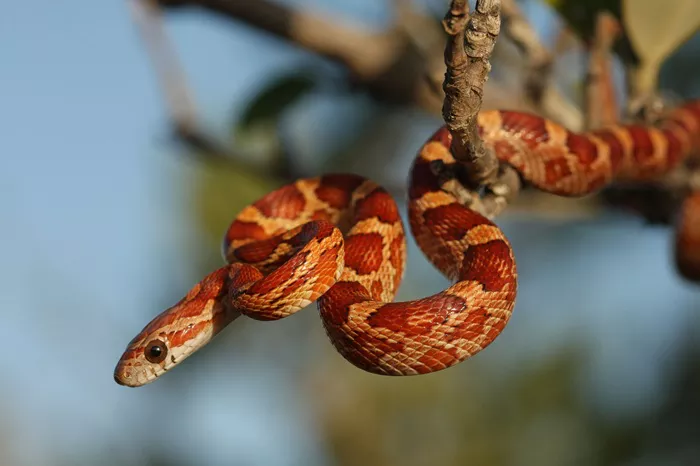
When it comes to caring for your 2-year-old corn snake, understanding its nutritional needs is crucial for its health and longevity. As a snake owner, it can be overwhelming to know what your pet should eat, especially when it’s a young and growing reptile like a 2-year-old corn snake. With the right diet, your corn snake will thrive, grow strong, and live a long, healthy life.
In this article, we’ll walk you through everything you need to know about feeding your 2-year-old corn snake. We’ll cover the right types of food, feeding schedules, portion sizes, and even some fun facts along the way. By the end, you’ll feel confident in your ability to provide the best diet for your corn snake.
Why Proper Nutrition Matters for Your Corn Snake
Corn snakes are non-venomous reptiles that are native to North America. They are popular as pets because of their manageable size, docile nature, and vibrant colors. But just like any pet, their health and well-being depend on the care you provide, and food plays a major role in this.
At two years old, your corn snake is entering the juvenile stage of its life. During this phase, it will need a balanced diet to continue growing and developing. A poor diet can lead to health problems like obesity, malnourishment, or shedding issues. This is why understanding what your snake should eat is the first step in being a responsible pet owner.
What Do Corn Snakes Eat in the Wild?
In the wild, corn snakes are carnivorous. They primarily hunt small mammals, birds, and amphibians. Their diet consists mainly of rodents like mice and small birds. They are constrictors, meaning they wrap their bodies around their prey to subdue it before swallowing it whole. Unlike other animals, snakes don’t chew their food; they swallow it whole, relying on their digestive enzymes to break it down.
Understanding this natural behavior can help you provide a diet that closely resembles what your corn snake would eat in the wild.
What Should a 2-Year-Old Corn Snake Eat?
Now that we’ve covered the basics of their natural diet, let’s dive into what a 2-year-old corn snake should eat when kept as a pet.
1. Mice: The Primary Food Source
The primary food for a 2-year-old corn snake should be mice, specifically frozen or pre-killed mice. These are readily available at pet stores or online and come in various sizes to suit your snake’s needs.
At two years old, your corn snake is likely growing rapidly and should be fed a mouse that is appropriately sized for its girth. Generally, this means offering a mouse that is about the size of your snake’s widest part of its body.
It’s important to note that while live prey might seem more natural, it poses several risks. Live mice can injure your snake or cause stress. Therefore, it’s best to stick with frozen or pre-killed mice. You can simply thaw them in warm water before offering them to your snake.
2. Rat Pups (Occasionally)
While mice are the staple food, rat pups can also be a good occasional treat for your 2-year-old corn snake. Rat pups are similar in size to mice but offer a slightly larger meal, which is beneficial for growing snakes.
You should feed rat pups to your snake sparingly, about once every few weeks. Overfeeding them could lead to obesity, which is a common issue in pet snakes.
3. Supplements for Nutritional Balance
While mice and rat pups provide the majority of the nutrition your corn snake needs, you might want to consider occasional supplementation. One of the most common supplements used for snakes is calcium powder. Corn snakes, like all reptiles, need calcium for proper bone growth and health.
You can dust the mice or rat pups with calcium powder once a month to ensure your snake’s bones stay strong. However, be careful not to overdo it, as too much calcium can cause issues like kidney problems.
4. How Often Should You Feed a 2-Year-Old Corn Snake?
Feeding frequency depends on your corn snake’s size and activity level. At two years old, your corn snake is likely reaching maturity, but still needs regular meals to support its metabolism. Typically, juvenile corn snakes should be fed once every 5 to 7 days. This feeding schedule can be adjusted depending on your snake’s growth rate and appetite.
If you notice your snake becoming lethargic or gaining too much weight, it may be time to adjust its feeding schedule. On the other hand, if your snake seems excessively active or thin, it might need more frequent meals.
How to Determine Portion Size for Your Corn Snake
Determining the right portion size for your snake is essential to prevent overfeeding or underfeeding. As a general rule, the prey you offer should be about the same width as the widest part of your snake’s body. For example, if your snake’s body is the size of a pencil, a baby mouse would be the appropriate portion size.
Corn snakes typically eat prey that is roughly 10-15% of their body weight. If you’re unsure, it’s always better to err on the side of caution and offer a smaller prey item to avoid overfeeding.
Can You Feed Your Corn Snake Live Prey?
As mentioned earlier, live prey is not recommended for your corn snake. While it may seem like a more natural option, live prey comes with several risks. The most significant risk is injury—live rodents may fight back and injure your snake. Additionally, live prey can cause significant stress to your corn snake, which can affect its overall health.
Frozen or pre-killed prey is much safer and less stressful for your snake. It’s also more convenient and easier to store.
What About Feeding Your Snake Other Foods?
While mice and rats should form the bulk of your corn snake’s diet, there are other foods you can occasionally offer. Some snake owners offer small birds, such as chicks, as a treat. However, this should only be done once in a while, as it’s not an essential part of your snake’s diet.
It’s also important to note that corn snakes should never be fed fruits, vegetables, or insects. Unlike some reptiles that are omnivorous or herbivorous, corn snakes are strictly carnivores, and feeding them plant-based foods can lead to digestive problems.
Common Feeding Mistakes to Avoid
There are a few common mistakes that corn snake owners often make when feeding their pets. Here are some to watch out for:
Feeding Live Prey: As mentioned earlier, live prey can be dangerous. Always opt for frozen or pre-killed mice.
Overfeeding: Corn snakes have slow metabolisms and can easily become obese if overfed. Stick to a regular feeding schedule and avoid offering food too often.
Inconsistent Feeding Schedule: A consistent feeding schedule helps regulate your snake’s metabolism. Avoid erratic feeding, as it can cause stress or digestive problems.
Fun Fact: Corn Snakes Love Their Food Warm
Corn snakes are cold-blooded animals, which means they rely on external heat sources to regulate their body temperature. This can affect how they eat. If you offer your corn snake a cold mouse, it may not show as much interest. Make sure to thaw the food in warm water before offering it to your snake. It’s like giving them a warm meal on a cold day—they’ll appreciate it!
Conclusion
Feeding your 2-year-old corn snake is simple when you understand its dietary needs. Mice should be the primary food source, with occasional rat pups and supplements for variety. Always ensure the food is appropriately sized, and stick to a consistent feeding schedule.
By providing the right diet, you’ll ensure that your corn snake stays healthy, active, and happy for years to come. Remember, a healthy diet is key to a long and fulfilling life for your snake!
Related topics: