
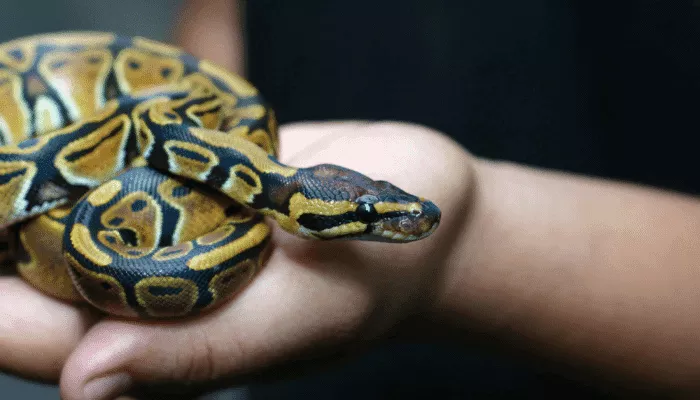
If your ball python isn’t eating, you’re not alone—and you’re definitely not failing as a reptile keeper. This issue is one of the most common and frustrating challenges for both new and experienced snake owners. You might ask yourself, “Is something wrong with my snake?” or even feel helpless watching your pet ignore food over and over. But here’s the truth: ball pythons are known for being picky eaters. The good news? With the right knowledge, patience, and a few clever strategies, you can usually get them back on track.
In this in-depth guide, we’ll unpack everything you need to know about ball python feeding behavior. We’ll explain why your ball python might refuse food, how to encourage it to eat again, and when to worry. We’ll use analogies, everyday language, and proven facts to ensure you’re not only informed—but also confident. Whether you’re raising your very first python or adding to a growing reptile collection, this article is made for you.
Why Ball Pythons Refuse to Eat
Ball pythons (Python regius), also called royal pythons, are beautiful and gentle snakes. Native to sub-Saharan Africa, they’re used to stable environments—and they don’t like sudden changes. This sensitivity means they often stop eating when something feels off.
Stress Is a Major Factor
Think of your snake like a homebody who loves routine. If you suddenly changed their bedroom, turned up the lights, and added a fan, they might lose their appetite too. That’s how ball pythons react when you change their enclosure setup or move them into a noisy room.
Stress can come from:
New environments (just bought your snake?)
Loud noises (TV, dogs barking)
Too much handling
Vibrations or sudden movement in their habitat
If your ball python recently stopped eating and you’ve made any of these changes, that’s your first clue.
Incorrect Temperatures or Humidity
Ball pythons need specific heat and humidity levels to digest food properly. If their setup isn’t just right, their bodies go into a kind of “pause mode.” Would you want to eat a big meal in an ice-cold room? Neither does your snake.
Optimal temperature gradient:
Warm side: 88–92°F (31–33°C)
Cool side: 76–80°F (24–27°C)
Humidity: 50–60% (slightly higher during shedding)
A temperature gun or reliable thermostat is essential for monitoring these conditions. It’s worth investing in accurate tools because slight temperature differences matter.
Shedding Can Decrease Appetite
Snakes shed their skin periodically. During this time, their eyesight becomes cloudy, their skin dulls, and their appetite usually vanishes. This is totally normal.
Signs your snake is about to shed:
Dull coloration
Cloudy or bluish eyes
Hiding more than usual
Don’t worry. Most ball pythons resume eating once their shed is complete. Just make sure they have proper humidity to ensure a clean, stress-free shedding experience.
Health Problems That Impact Feeding
If environmental tweaks don’t solve the problem, your snake might have a health issue. Just like us, a sick python won’t be interested in food. Some common conditions include:
Respiratory Infections
Symptoms to watch for:
Mucus bubbles around nostrils
Open-mouth breathing
Wheezing or clicking sounds
These infections are usually caused by poor humidity or temperature control. If you suspect one, a reptile vet visit is necessary. Delaying can be dangerous.
Mouth Rot (Infectious Stomatitis)
This condition is painful and will definitely affect appetite. Look for:
Red, swollen gums
Pus or cheesy discharge from the mouth
Difficulty closing the mouth
Prompt veterinary care is essential. Left untreated, it can lead to serious complications.
Parasites
If your ball python is losing weight despite refusing food, internal parasites might be the cause. A vet can diagnose this through a fecal exam.
Feeding Techniques That Work
Now let’s get to the practical part—how to actually get your ball python to eat. These tried-and-true methods have worked for reptile keepers worldwide.
1. Feed at Night
Ball pythons are nocturnal, meaning they’re most active at night. Try offering food after dark, when the room is quiet. Think of it like offering a midnight snack—it just feels more natural to them.
2. Pre-Scent the Room
Before feeding, warm up the prey item and place it in the room (but not in the enclosure) for about 10–15 minutes. The smell of prey wafting through the air can trigger hunting behavior. It’s like catching a whiff of fresh pizza when you’re kinda hungry—it might just be enough to get your python interested.
3. Use a Hair Dryer to Heat Prey
Ball pythons often use heat-sensing pits to detect prey. If the mouse or rat isn’t warm enough, they might ignore it. Try warming the prey to about 100–105°F (37–40°C) using a hair dryer. Be careful not to overheat and always check the temp.
4. Switch to Live (with Caution)
Some ball pythons are stubborn and just want prey that moves. If your snake consistently refuses frozen-thawed food, you might need to try live prey.
Important: Live feeding carries risks. A live mouse can bite and injure your snake. Never leave your ball python unattended during a live feeding. If the prey shows aggressive behavior, remove it immediately.
To minimize risk:
Choose small prey (no bigger than the widest part of your snake’s body)
Supervise closely
Remove uneaten live prey after 15–20 minutes
If your python eats live prey successfully, try switching back to pre-killed after a few feedings.
See Also: How Do You Take Care of a Ball Python? For beginners
Tricks for Picky or Fussy Eaters
Sometimes even healthy, well-cared-for ball pythons just decide not to eat. That’s when it’s time to get creative.
Try Different Prey Types
Some snakes develop preferences, like us picking pizza over sushi. If you’ve been offering mice, try rats. If you’ve been using white mice, try darker-colored ones.
You can also try:
Chicks (occasionally)
Gerbils or ASF rats (African Soft-Furred Rats) – a favorite among ball pythons
Just be careful not to switch too often. Once you find something that works, stick to it for consistency.
Scent Transfer Method
Here’s a neat trick: rub the prey with something your snake already likes. For instance, if your snake has taken ASF rats before, rub the scent of one onto a mouse. It’s like seasoning your food to match your favorite flavor.
Use Movement to Mimic Prey Behavior
Ball pythons are ambush predators. That means they react to movement. Use long feeding tongs to gently wiggle the prey in front of them. Let it “walk” a bit on the substrate. Avoid poking them—you want to mimic life, not cause fear.
Enclosure Adjustments That Help Feeding
Your snake’s environment has a huge impact on feeding behavior. Let’s fine-tune your setup.
Provide Hiding Spots
Ball pythons feel safest when they can hide. A nervous snake won’t eat. Give them at least two hides—one on the warm side and one on the cool side of the tank. Think of them like cozy bedrooms.
Avoid transparent hides. Your snake wants privacy, not a glass house.
Limit Handling Before Feeding
Handling your snake before offering food can stress it out. Give it 48–72 hours of quiet time before trying again. Ball pythons need to feel secure to feed.
Control Lighting
Snakes don’t need bright lights 24/7. Too much light can mess with their internal rhythms. A simple day-night cycle with a timer is best. Use ambient room light during the day and turn it off at night.
When to Worry and See a Vet
Most ball pythons can go several weeks—sometimes months—without eating. In the wild, this is normal, especially during cooler seasons or the dry months. However, there are red flags.
See a vet if:
Your snake has lost more than 10–15% of its body weight
Refusal to eat lasts longer than 2–3 months
You notice signs of illness (wheezing, discharge, weight loss)
Pro Tip: Weigh your snake weekly. A cheap digital scale can give you peace of mind and help you track changes over time.
Feeding Stories from Real Owners
“My ball python, Jasper, didn’t eat for 45 days after I brought him home. I tried everything—until I offered a warm ASF rat at night with the lights dimmed. He struck instantly. Now I feed him the same way every time.”
— Lucas B., reptile keeper, Texas
“I was about to panic when my snake went off food for 2 months. Then she shed, pooped, and finally ate agai
— Megan T., ball python owner, UK
Conclusion
If your ball python isn’t eating, don’t panic. It’s not uncommon—and it’s rarely permanent. With the right environment, feeding strategy, and a bit of patience, you’ll likely see your python strike again soon. Keep monitoring their health, respect their natural behavior, and stay consistent. You’re not just feeding a snake—you’re building trust with an awesome reptile companion.
Related topics: