
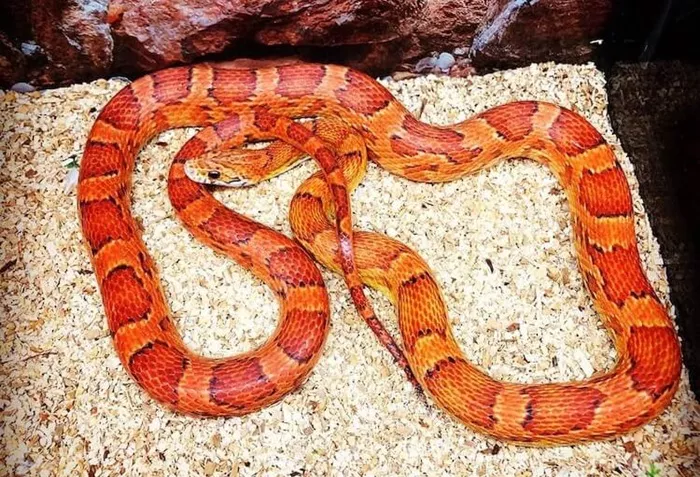
If you’re a corn snake owner, you may have noticed your pet hiding in its enclosure more often than usual. While it might seem a bit worrisome at first, don’t panic. It’s actually quite common for corn snakes to seek out hiding places, but understanding why they do so can help you ensure that your pet is healthy and comfortable. In this article, we will explore the possible reasons why your corn snake is hiding, what you can do to alleviate any concerns, and how to provide the best environment for your snake.
Introduction: The Mystery of Hiding
As you look at your corn snake nestled away in a dark corner of its enclosure, you might wonder, “Why is my corn snake hiding all the time?” It’s a question that many new reptile owners ask. It’s natural to feel concerned when your snake isn’t actively exploring or coming out to interact. However, hiding behavior is not usually a cause for alarm. In fact, snakes, including corn snakes, often seek shelter for reasons related to their instincts, health, and environment. Let’s dive into some common reasons why your corn snake might be spending more time in its hideout.
1. The Instinct to Hide – It’s In Their Nature
Corn snakes, like many other reptiles, are naturally secretive creatures. They are solitary animals by nature, spending a large part of their time in the wild hiding from predators and seeking out small prey. In captivity, they often replicate this behavior to feel safe and secure. Think of it like how a shy person might prefer to stay in a cozy corner at a party instead of mingling with the crowd. Your corn snake feels the same way in its habitat.
How to Address It:
If your snake is hiding during the day but is active at night, this is totally normal. Snakes are crepuscular, meaning they’re most active during dawn and dusk. If your snake doesn’t seem to be eating or coming out at night, it might be a sign that something else is off.
2. Temperature and Humidity: The Hidden Factors
Corn snakes are very sensitive to temperature and humidity. If their environment isn’t within the right range, they may seek out cooler or warmer spots, or they might hide to regulate their body temperature. In the wild, snakes often retreat into burrows or cracks in the ground to stay at the right temperature.
Ideal Temperature and Humidity for Corn Snakes:
Temperature: 75–85°F (24–29°C) during the day, with a basking spot around 88–92°F (31–33°C).
Humidity: Between 40-60% is perfect.
If your snake’s enclosure is too hot or too cold, or if the humidity is too low, your corn snake might hide to escape discomfort. This could also affect its appetite and activity levels.
How to Address It:
Check the temperature and humidity levels in the enclosure using a thermometer and hygrometer. Adjust the heating pads or lamps to create a more suitable environment. Ensure the snake’s hideouts are placed in areas where it can choose between cooler and warmer zones.
3. Shedding – A Natural Process
Shedding is an essential part of a snake’s life cycle. When corn snakes are about to shed, they often become more secretive and may hide for several days at a time. This behavior is totally normal, and it’s their way of protecting themselves while they prepare to shed their old skin. If you’ve noticed your corn snake hiding and its skin looks dull or cloudy, shedding could be the culprit.
How to Address It:
If your corn snake is nearing its shedding cycle, be patient. Provide a moist hide or a shallow water dish to help with the shedding process. Keep an eye on the shed and make sure it comes off completely. If the shed is incomplete, it can lead to health problems like retained skin around the eyes or tail.
4. Stress – It Can Be More Than You Think
Corn snakes, like all pets, can experience stress. Stress can come from many sources, such as loud noises, sudden movements, or even a new pet or family member. Just like humans, snakes need time to adjust to new situations, and hiding is their way of coping with stress. This behavior is similar to how someone might retreat to their bedroom after a stressful day.
How to Address It:
Avoid Sudden Movements: Try to minimize handling your snake during its adjustment period.
Limit External Stressors: Keep the enclosure in a quiet, calm area of your home.
Maintain a Routine: Snakes thrive on consistency, so try to feed, clean, and interact with them at the same times each week.
5. Poor Diet or Illness – Health Issues to Watch For
While it’s often normal for a corn snake to hide, there are times when it could be a sign of an underlying health problem. If your snake is not eating, drinking, or seems lethargic, it could be ill. Illness or discomfort could cause your corn snake to hide more than usual. Look out for signs like lack of appetite, abnormal behavior, or changes in its feces.
How to Address It:
If you notice any concerning symptoms, it’s best to take your corn snake to a reptile vet. A proper diagnosis will help ensure your snake gets the treatment it needs. Sometimes, stress or a change in diet could be affecting its health, so consider any recent changes in its environment.
6. Handling – Too Much or Too Little?
While snakes don’t require constant interaction like dogs or cats, handling them too frequently or too roughly can stress them out. Corn snakes tend to hide more if they feel overwhelmed or scared. However, snakes that aren’t handled enough may also grow more timid and hide more often.
How to Address It:
Avoid Over-handling: Limit handling to once or twice a week, and always be gentle.
Give Time to Adjust: If you’ve recently acquired your snake, give it a week or two to settle into its new home before you start interacting with it.
7. Breeding Behavior – Seasonal Changes
Corn snakes are seasonal breeders, and during mating season, they may show a change in behavior. They might hide more often, especially females who are gravid (pregnant). During this time, your snake might be more interested in seeking solitude and comfort.
How to Address It:
If you suspect that your snake is gravid, provide additional hides or a nesting area. Make sure the enclosure has enough space and a warm area to encourage the snake to feel secure during this time.
Conclusion
In most cases, when a corn snake is hiding, it’s just following its natural instincts. However, it’s important to be vigilant and ensure that its environment is suitable, comfortable, and free of stressors. If your corn snake continues to hide excessively and shows signs of illness or discomfort, it’s best to consult a reptile vet. With the right care, your corn snake will eventually feel safe enough to emerge from its hideout.
Related topics: