
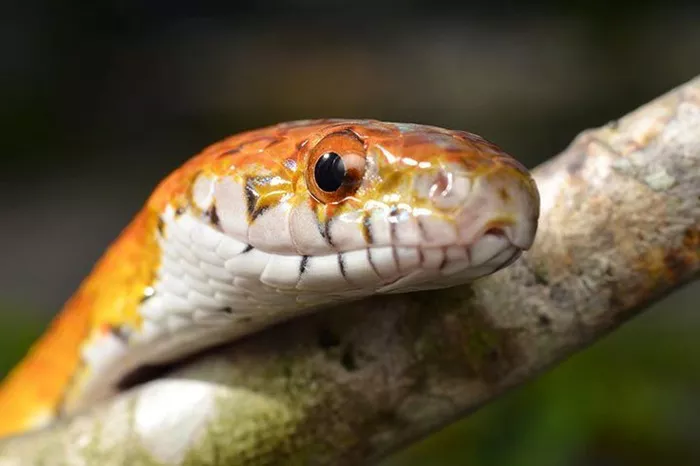
Corn snakes are a well-known species in the reptile world, loved by both enthusiasts and beginners alike for their docile temperament, beautiful coloration, and easy-to-care-for nature. However, have you ever wondered why this snake is called a corn snake? What’s in a name, anyway? This article will explore the origin of the name “corn snake” and break down why it has become synonymous with this remarkable reptile.
In this article, we will also look at the corn snake’s characteristics, its natural history, and share some interesting facts along the way. Whether you’re a seasoned reptile keeper or just starting, you’ll find all the information you need here.
What is a Corn Snake?
Before we dive into why the corn snake is named the way it is, let’s first get to know the reptile itself. Corn snakes are non-venomous, constrictor snakes native to the southeastern United States. They are part of the Pantherophis genus, which includes other popular pet snakes such as rat snakes.
Corn snakes are known for their slender bodies, orange or brownish-red coloration, and black markings along their sides. Their name, however, might leave you wondering if they have something to do with farming or crops. So, let’s dig into that.
The Origin of the Name “Corn Snake”
A Link to Agriculture
The name “corn snake” likely comes from its historical association with agricultural areas, especially cornfields. Corn snakes are often found in these areas because they tend to hunt rodents like mice and rats that are commonly found in crops. Imagine walking through a cornfield in the warm, late summer and seeing the snake slither through the tall stalks—this is where the name corn snake was born.
Some people believe that the corn snake was given its name due to its close resemblance to the color and pattern of dried corn kernels. The orange, yellow, and black scales on the corn snake’s body resemble the golden hue of corn, especially in its albino morph.
The Term “Corn” and Its Connection to “King” Snakes
Corn snakes are sometimes confused with “king snakes” because of their similar appearance. The name “corn” may have been chosen to differentiate these two species based on their agricultural habitats. The term “king snake” refers to a group of snakes that can eat other snakes, often including venomous species. On the other hand, corn snakes are non-venomous constrictors that use their strength to squeeze and subdue smaller prey like rodents.
Another possibility is that the name “corn” might have originated from the Old English word for “grain,” further linking the species to agricultural life.
An Alternative Theory: “Corn” as a Symbol of Abundance
Corn, in many cultures, symbolizes abundance and fertility. In some interpretations, the corn snake’s association with corn might also come from its reputation for being plentiful in agricultural areas. You could think of it as a symbol of a healthy, thriving ecosystem—one in which both crops and animals (like corn snakes) are abundant.
How to Identify a Corn Snake
Now that you have a better understanding of where the name comes from, let’s explore how you can identify a corn snake in the wild or when you’re visiting your local pet store. Corn snakes are medium-sized snakes, usually growing to lengths of 3 to 5 feet. Their bodies are covered in smooth, shiny scales that help them glide gracefully over the ground.
The coloring is one of the most distinctive features of a corn snake. Their base color ranges from light orange to reddish-brown, with black markings along the sides. These markings are often arranged in a way that makes them resemble a checkerboard pattern. There are also different morphs, such as the albino corn snake, which has a lighter, pale body and pinkish hues instead of the usual orange.
You might also spot them in pet stores as “pet corn snakes” due to their popularity among reptile enthusiasts. These snakes are known for their calm nature and adaptability, making them excellent first pets.
Corn Snake Diet and Feeding Habits
Corn snakes are primarily carnivorous, feeding on small mammals such as mice, rats, and sometimes birds. In the wild, they are often found near farms, barns, and crop fields where these prey animals are plentiful. When you keep a corn snake as a pet, you’ll need to feed it pre-killed rodents or frozen mice that are an appropriate size.
Feeding Tip: If you’re new to keeping snakes, don’t worry! A corn snake’s feeding habits are easy to manage. They typically eat once a week, and you can even buy frozen prey from most pet stores.
The Corn Snake as a Pet: Easy Care for Beginners
As mentioned earlier, corn snakes are a great choice for beginners due to their gentle temperament and ease of care. They don’t require a complex setup and are relatively low-maintenance. In terms of habitat, corn snakes thrive in a 20-gallon tank, with a heat source to maintain a comfortable temperature. They also enjoy having a hiding spot, such as a piece of wood or a small cave, where they can rest.
If you’re new to reptiles, you’ll love how easy it is to maintain the right conditions for a corn snake. These snakes are forgiving when it comes to minor temperature fluctuations and are also quite resilient to handling.
Fun Facts About Corn Snakes
Here are some quick, fun facts about corn snakes that you might not know:
- Corn snakes are known to be excellent climbers! They can climb trees and shrubs in search of food or shelter.
- They are constrictors, meaning they wrap around their prey and squeeze until the prey dies from suffocation.
- Corn snakes shed their skin regularly. This process is called “ecdysis,” and it happens approximately every 4-6 weeks.
- They are great at keeping pests under control. Corn snakes are natural predators of mice and rats, making them helpful in agricultural settings.
Why Corn Snakes are So Special
Corn snakes are widely regarded as one of the most popular pet snakes in the world. But what makes them so special? The primary reason is their ease of care. Corn snakes are also great for educational purposes, allowing people to learn about reptiles in a hands-on way.
In addition, corn snakes come in a variety of morphs, including the classic orange and black pattern and rare albino and lavender variations. This makes them visually appealing for reptile enthusiasts who love variety.
Conclusion
So, why is it called a corn snake? In the simplest terms, the name “corn snake” likely comes from its association with farming environments, especially cornfields, where it thrives by hunting rodents. The snake’s color and pattern may also resemble corn kernels, giving rise to its name. Whether you encounter a corn snake in the wild or keep one as a pet, you’ll quickly realize that this species holds an important place in both nature and the world of reptile enthusiasts.
Related topics: