
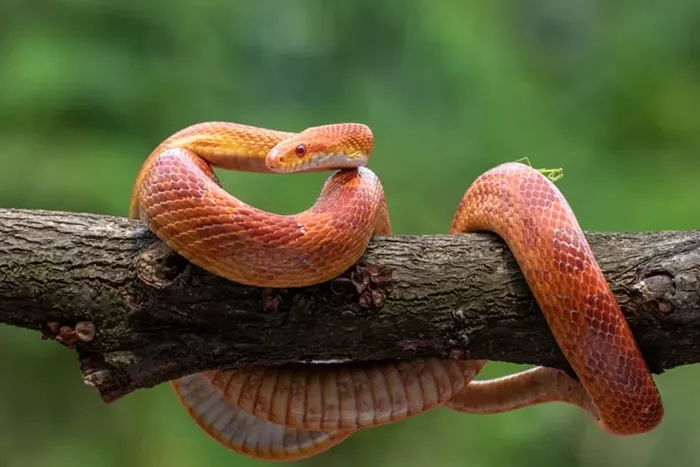
So, you’ve decided to get a corn snake? That’s fantastic! Corn snakes are one of the most popular pet reptiles, and for good reason. They’re friendly, low-maintenance, and look pretty awesome. Whether you’re a first-time snake owner or an experienced reptile enthusiast, corn snakes are an excellent choice.
But before you rush off to adopt your new pet, let’s break it down. Getting a corn snake isn’t as simple as just picking one up from the pet store. There are several steps you need to take to ensure you’re getting a healthy snake that will thrive in its new home. From choosing the right breeder to setting up the perfect habitat, this guide will walk you through every step of the way. Trust me, you’ll be a corn snake pro by the end of this article!
Understand the Corn Snake: The Perfect Pet for You
Before getting your corn snake, let’s get to know this fascinating species. Corn snakes (scientific name: Pantherophis guttatus) are native to the southeastern United States. They’re named for the pattern on their scales, which resembles maize or corn kernels. These snakes are non-venomous and are known for their docile nature. Corn snakes are great for beginners because they’re relatively easy to handle and care for.
Their average lifespan in captivity is 15 to 20 years, so getting one is a long-term commitment. Imagine it like adopting a cat or dog – it’s not just a pet, but a companion that you’ll care for over many years.
Fun fact: Did you know that corn snakes are excellent climbers? They love to explore their environment and can scale branches, making them even more interesting to watch!
Where Can You Get a Corn Snake?
Now that you’re familiar with the corn snake, it’s time to answer the big question: Where can you get one? There are several options for acquiring a corn snake, each with its pros and cons.
a. Breeders: The Best Option for Healthy Snakes
The best way to get a healthy and well-socialized corn snake is by purchasing from a reputable breeder. Responsible breeders provide a clean and safe environment for their snakes and offer good care from hatching to sale. They will also be able to provide information about the snake’s lineage and any potential health issues. Buying from breeders also means you can choose from a wider variety of morphs (color patterns) and sizes.
b. Pet Stores: Convenient, But with Risks
Many pet stores also sell corn snakes. However, not all pet stores are created equal. Some may prioritize quantity over quality, so it’s essential to ensure that the store has good hygiene and takes proper care of its animals. If you decide to buy from a pet store, make sure you ask the staff about the snake’s history, health, and temperament.
c. Reptile Shows: A Fun and Informative Option
Attending a reptile show is another great option for getting a corn snake. At these events, you can meet several breeders, see different snakes, and ask questions about their care. The added benefit of reptile shows is that you can inspect the snakes in person and even get to see them interact with their environment. Just make sure to check the seller’s credentials before making a purchase.
How to Choose a Healthy Corn Snake
You’ve found a few corn snakes, but how do you choose the right one? You want a snake that’s healthy and vibrant, so pay attention to these key factors:
a. Physical Appearance
A healthy corn snake should have clear, bright eyes and vibrant coloring. The skin should be smooth and free of cuts or scales that appear rough or patchy. Be sure to inspect the snake for any signs of illness, such as:
Pale or cloudy eyes – this could indicate dehydration or an infection.
Wheezing or gasping – possible respiratory issues.
Discharge from the nostrils or mouth – another sign of a potential respiratory infection.
b. Behavior
Corn snakes are known for their calm demeanor, but it’s still important to observe their behavior. A healthy corn snake should be active and curious, moving around its enclosure. If a snake is lethargic, it could be stressed or sick. Be sure to check if the snake is comfortable being handled. While it might be a little shy at first, it should gradually get used to your presence.
c. Age and Size
Corn snakes typically reach maturity around 3 years old. At the pet store or from a breeder, you might see both hatchlings and adults. Hatchlings are often more affordable, but they require more care and attention to ensure they grow healthy. Adult corn snakes are easier to handle, as they are more accustomed to life in captivity.
Preparing Your Home for a Corn Snake
Once you’ve chosen your corn snake, the next step is to prepare its home. Creating a proper environment is crucial for the health and happiness of your new pet.
a. The Right Enclosure
The size of the enclosure will depend on the size of your corn snake. A 20-gallon tank is usually sufficient for a juvenile snake, but as your snake grows, you may need a larger tank, around 40 gallons or more. Make sure the tank has a secure lid, as corn snakes are escape artists!
b. Temperature and Lighting
Corn snakes are cold-blooded, meaning they rely on external heat sources to regulate their body temperature. You’ll need a heat lamp or heat pad to maintain a warm environment. The ideal temperature for a corn snake is between 75°F to 85°F during the day, with a cooler side of 65°F to 75°F. At night, the temperature can drop to around 70°F.
A UVB light is not strictly necessary for corn snakes, but if you have a heat lamp, make sure to use one that provides UVA/UVB rays.
c. Substrate and Hiding Spots
Corn snakes need a substrate (the material that lines the bottom of their tank) that’s safe and comfortable. Aspen bedding is a popular choice, but you can also use reptile carpet, coconut husk, or paper towels. Provide hiding spots such as caves or hollow logs where your snake can feel secure.
d. Humidity Levels
Corn snakes prefer moderate humidity. Aim for humidity levels between 40-60%. If you live in a dry climate, you may need to mist the enclosure periodically or use a humidity tray to maintain the right levels.
Feeding Your Corn Snake
Now that your corn snake’s home is ready, it’s time to think about feeding. Corn snakes are carnivores, and they primarily eat small rodents like mice and rats.
a. Hatchlings and Juveniles: Smaller Prey
Young corn snakes (hatchlings and juveniles) will eat appropriately-sized mice. Typically, hatchlings will need to be fed one small pinky mouse every 5 to 7 days. As your snake grows, it will require larger prey, like adult mice or even small rats.
b. Adults: Larger Prey and Less Frequent Feeding
Adult corn snakes can eat larger rodents and usually require feeding once every 7 to 10 days. The size of the prey should be no larger than the width of your snake’s body.
c. Hydration
Always provide fresh water in a shallow dish. Corn snakes drink frequently, so ensure they always have access to clean water.
Handling Your Corn Snake
One of the most rewarding parts of owning a corn snake is the ability to handle them. Corn snakes are known for being docile, but they might still be a little nervous, especially when they’re new to their home. Here’s how to handle your snake safely and comfortably:
Start slow: Don’t try to pick up your snake immediately after bringing it home. Give it time to adjust to its new environment. After a few days, you can gently start handling it.
Use proper grip: When picking up your snake, support its entire body. Never grab it by the tail or head. Instead, let it slither into your hand and hold it gently.
Be mindful of stress: If your snake shows signs of stress (such as hissing or trying to escape), give it a break and try again later.
Common Health Concerns and Solutions
As with all pets, corn snakes can face health issues. Here are some common problems and how to address them:
Respiratory Infections: This can happen due to poor ventilation or humidity. Ensure your snake’s habitat is clean and properly maintained.
Parasites: If your corn snake has trouble shedding or shows signs of weight loss, it might have parasites. A vet visit will help determine if medication is needed.
Shedding Problems: Snakes shed their skin regularly, but sometimes they can have trouble shedding, especially if their humidity levels are off. A warm bath and proper humidity can help.
Conclusion
Getting a corn snake is a rewarding experience. They’re low-maintenance, friendly, and make great pets for both beginners and experienced reptile owners. By following this guide and providing the right care, you’ll ensure that your new pet lives a long and happy life.
Related topics: