
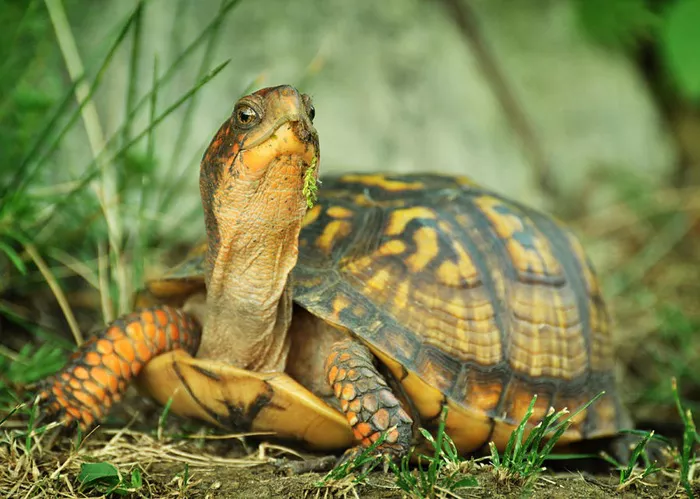
Eastern box turtles, known for their distinctive domed shells and ability to withdraw into them when threatened, are among the most fascinating reptiles in North America. As a pet, they require careful attention to their diet to ensure they live a long, healthy life. But, you might find yourself asking, “Can I feed my eastern box turtle carrots?” Let’s dive into the details of whether carrots are a good choice for these delightful creatures and how you can provide them with a well-balanced diet.
Introduction: The Essentials of an Eastern Box Turtle’s Diet
Before we answer the big question about carrots, it’s essential to understand the diet of an eastern box turtle. These creatures are omnivores, which means they eat both plant-based foods and small animals. In the wild, they consume a wide variety of foods, from grasses, berries, and leaves to insects, worms, and even small amphibians. Understanding their natural eating habits is key to determining whether carrots should be a regular part of their diet.
Eastern box turtles, like many reptiles, rely on a varied diet to meet their nutritional needs. Their diet must be balanced in terms of vitamins, minerals, and protein sources to ensure proper health. So, let’s take a closer look at whether carrots fit into this balanced diet.
Do Carrots Fit Into an Eastern Box Turtle’s Diet?
Carrots are packed with nutrients, especially beta-carotene, which the body converts into vitamin A. This vitamin is crucial for maintaining the health of the skin, eyes, and immune system. But are carrots good for eastern box turtles? The short answer is yes, but with some important considerations.
Nutritional Value of Carrots
Carrots are rich in several important nutrients, including:
Beta-carotene (Vitamin A): Important for eye health and immune function.
Fiber: Helps with digestion and bowel regularity.
Vitamin C: Boosts the immune system and helps in wound healing.
Potassium: Supports muscle function and heart health.
However, despite their nutritional value, carrots should not be the primary food source for eastern box turtles. While carrots are healthy in moderation, too much of any one food can lead to imbalances in their diet.
What Are the Risks of Feeding Too Many Carrots?
Just like with humans, moderation is key when feeding carrots to box turtles. Overfeeding carrots could lead to a few problems:
Excess Vitamin A: Too much vitamin A can be harmful and may lead to toxicity. Symptoms of vitamin A toxicity in turtles can include lethargy, swelling around the eyes, and skin issues.
Imbalanced Diet: Feeding carrots too frequently may result in a lack of variety in the turtle’s diet, which could lead to nutritional deficiencies or excesses.
How Often Should You Feed Carrots to an Eastern Box Turtle?
Carrots can be given to eastern box turtles as an occasional treat, rather than a staple. Aim to offer carrots once or twice a week, and make sure to provide a variety of other vegetables and proteins in their diet. You can chop carrots into small, manageable pieces that your turtle can easily chew.
Best Ways to Prepare Carrots for Your Turtle
Carrots can be given raw, but it’s best to wash them thoroughly before serving. You might also want to peel the carrots to reduce pesticide exposure, especially if you’re not using organic produce. You can also lightly steam the carrots to make them softer, which may be more appealing to some turtles.
Can Carrots Be Fed Along with Other Foods?
Yes! Carrots can be paired with other fruits, vegetables, and proteins to create a balanced diet. For instance, you might serve carrots alongside leafy greens like kale or dandelion leaves, which are high in calcium and beneficial for shell health. Adding in insects like mealworms or small pieces of fish will provide the necessary protein.
Other Vegetables and Fruits for Eastern Box Turtles
While carrots are a great option, it’s important to diversify the diet of your eastern box turtle. Here are some other vegetables and fruits that you can safely feed to your turtle:
Leafy Greens: Kale, collard greens, dandelion greens, and mustard greens are excellent choices. These provide essential vitamins and calcium, which is vital for shell health.
Berries: Blueberries, strawberries, and raspberries are safe and loved by many box turtles. These fruits are high in antioxidants and vitamins.
Squash: Zucchini and yellow squash are soft and easy for turtles to eat, providing important hydration.
Bell Peppers: These are rich in vitamins A and C and can be offered in small amounts.
Cucumbers: High in water content, cucumbers help keep turtles hydrated, especially in hot weather.
What Should You Avoid Feeding Your Turtle?
While it’s tempting to offer your pet a wide range of foods, some things should be avoided:
Lettuce: Iceberg lettuce has very little nutritional value and can cause diarrhea.
Avocado: This fruit contains a toxin called persin, which can be fatal to reptiles.
Citrus Fruits: These can be too acidic and may upset your turtle’s stomach.
The Importance of a Balanced Diet
Feeding your eastern box turtle a variety of foods ensures that they get all the nutrients they need. A varied diet helps maintain their health, supports a strong immune system, and aids in shell growth. Keep in mind that eastern box turtles, like all reptiles, have specific calcium-to-phosphorus ratios that must be maintained. Too much phosphorus and not enough calcium can lead to shell deformities and other health issues. To ensure the right balance, supplement their diet with calcium-rich foods and dust their food with a calcium powder designed for reptiles.
How to Monitor Your Turtle’s Health
As a responsible pet owner, it’s crucial to regularly monitor your turtle’s health. Look for signs that may indicate an imbalance in their diet, such as:
Changes in Activity Level: A lack of energy could indicate a nutritional deficiency.
Shell Issues: Soft, deformed, or scaly shells can be a sign of calcium or vitamin D deficiency.
Unusual Behavior: If your turtle is not eating or drinking, this could be a sign of a health issue.
If you notice any of these symptoms, it’s a good idea to consult a reptile veterinarian for a thorough check-up.
Fun Fact About Eastern Box Turtles
Did you know that eastern box turtles can live for over 100 years in the wild? Their longevity is partly due to their diet and their slow metabolism. In fact, they’re one of the longest-living land animals in North America. So, by feeding them a balanced and varied diet, you’re helping ensure that they live a long, healthy life!
Conclusion
In conclusion, carrots can be a healthy and tasty treat for your eastern box turtle, but they should only be fed in moderation. A well-balanced diet is essential for your turtle’s overall health, and carrots should be just one part of that diet. By offering a variety of vegetables, fruits, and protein sources, you’ll ensure that your turtle thrives and enjoys a long, healthy life. Always keep an eye on the quantity and variety of the food you offer and remember that too much of any one food can lead to imbalances.
Related topics: