
When it comes to the fascinating world of reptiles, the snapping turtle stands out with its iconic appearance and unique adaptations. You may have encountered these ancient creatures in the wild or in a zoo, but have you ever wondered about the details of their shell? Well, you’re in for a treat because we’re about to dive deep into what makes a snapping turtle’s shell so special. Whether you’re a reptile enthusiast, a pet owner, or just curious, this article will give you a clear picture of what to expect when you see one of these creatures.
Introduction: The Fascinating Snapper
The snapping turtle is one of the oldest and most distinct reptile species. Known for its strong jaws and defensive behavior, this turtle also boasts a shell that is both beautiful and protective. But what exactly does a snapping turtle’s shell look like? Well, let’s break it down.
The Shape of the Snapping Turtle’s Shell
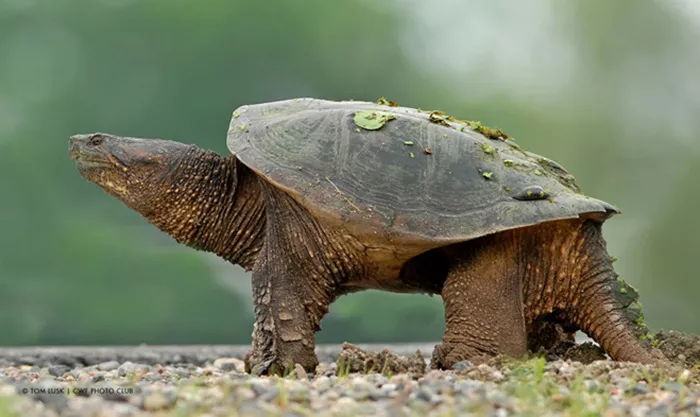
The first thing that stands out about a snapping turtle’s shell is its flattened and rugged shape. Imagine a giant, earthy plate that has seen centuries of life. It’s not a smooth, rounded dome like the shells of other turtles. Instead, the top shell (carapace) is rough, irregular, and somewhat angular. The edges often have jagged points, which give it a spiky, worn-out appearance.
In size, the shell can be quite large, often spanning 12 to 20 inches (30 to 50 cm), depending on the age and species. It’s often darker in color, with hues of brown, black, or olive.
Think of the snapping turtle’s shell like a shield – tough, rough, and designed to protect. The texture is scaly and rugged, often with visible growth rings that tell the story of the turtle’s age. The most iconic feature of the carapace is its rough, slightly raised ridges, which make it easy to identify.
How Does This Shape Help the Turtle?
The shape of the shell serves a functional purpose. The flatness allows the snapping turtle to squeeze into mud or underwater debris, camouflaging itself and making it harder for predators to spot. The sharp edges make the shell more durable, protecting the turtle from attacks.
The Bottom Shell (Plastron): Less Dramatic, But Just as Important
While the top shell often grabs the spotlight, the bottom shell, or plastron, is equally important for the turtle’s survival. This shell is more rounded and smooth than the carapace and usually lighter in color—often yellow or pale. It offers protection to the turtle’s soft underbelly.
The plastron isn’t as large as the carapace, and it’s often more flexible, which allows the turtle to bend and adjust its body when it’s moving or swimming. Interestingly, the plastron of a snapping turtle is smaller compared to other species, making them more vulnerable from underneath. But don’t be fooled—this turtle is still a master of defense!
Fun Fact: Did you know?
While many turtles can pull their heads and limbs into their shells for safety, the snapping turtle can’t fully retract into its shell because of the size and shape of its plastron. This makes it extra aggressive when threatened.
Coloration of the Snapping Turtle’s Shell
The color of a snapping turtle’s shell can vary, but you will usually see dark shades like brown, black, or olive. These colors help them blend into their surroundings, such as muddy riverbeds or dark ponds. This natural camouflage is essential for their survival as it helps them stay hidden from predators.
If you were to touch the shell, you would also notice the rough, bumpy texture, much like the surface of an old stone. The turtle’s shell can develop a shiny coat due to algae growing on it when it spends a lot of time in the water. This adds another layer of camouflage, making it look more like a part of the underwater environment than a living creature.
The Importance of the Shell for Protection
The shell of a snapping turtle is not just for looks. It’s crucial for survival. The hardness and toughness of the shell protect the turtle from a variety of threats in the wild. In fact, the snapping turtle’s shell is so strong that it can withstand predators like raccoons or even larger birds of prey, which might otherwise see a softer-bodied animal as easy prey.
However, the turtle’s behavior also plays a part in its survival. When threatened, the snapping turtle won’t hesitate to show its powerful jaws. It’s well known for its aggressive snapping behavior, which is why the turtle gets its name. Its shell acts as a fortress, allowing the turtle to retreat into it if needed. But it’s the aggressive nature of the turtle, coupled with its hard shell, that makes it so effective at defending itself.
The Snapping Turtle Shell Through the Years
As snapping turtles grow older, their shells develop distinct features that can help you estimate their age. Similar to tree rings, a snapping turtle’s shell will show growth rings, which represent annual growth. These rings are visible on the scutes, or scales of the shell. Each year, a new growth ring forms as the turtle’s shell increases in size.
The growth rate depends on various factors, including the turtle’s diet, environment, and overall health. Young snapping turtles typically have more defined rings, while older turtles may show more faded, less distinct growth marks. This can help researchers and turtle enthusiasts estimate the age of a turtle without needing to count every year of life.
Snapping Turtle Shells in Different Environments
Different environments can also affect the appearance of a snapping turtle’s shell. For example, turtles living in murky waters may have shells that are more worn or scratched due to constant interaction with rocks, logs, or other debris. A turtle living in clearer waters, however, may have a cleaner, more intact shell.
The condition of a turtle’s shell can also indicate its health. A snapping turtle with a damaged shell may be more vulnerable to diseases and predators. Regular monitoring of a turtle’s shell is essential for its care in captivity.
Conclusion
In summary, the snapping turtle’s shell is a masterpiece of nature’s engineering. From its rough, spiky carapace to its more flexible plastron, every part of the shell plays an important role in protecting the turtle and helping it survive in the wild. The shell serves as both a physical barrier and a camouflage, allowing the turtle to blend into its environment and evade predators. Whether in a river, swamp, or pond, the snapping turtle’s shell is an essential part of its identity.
Related topics: