
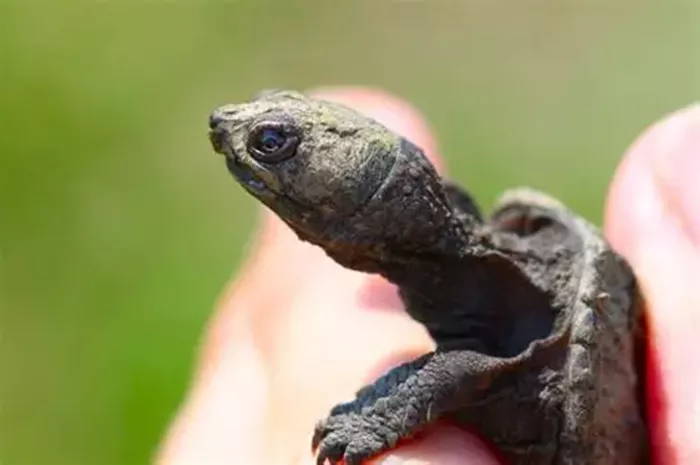
When you think about keeping a snapping turtle as a pet, the first image that likely comes to mind is their intimidating appearance — sharp claws, a powerful bite, and a tough exterior. But here’s the real secret: despite their fierce reputation, snapping turtles are fascinating creatures with distinct needs that, when met, can make them truly content.
So, how do you make a snapping turtle happy? In this comprehensive guide, we’ll explore everything you need to know about creating an ideal environment for your pet turtle, feeding it properly, and ensuring it remains healthy and active. Whether you’re a first-time turtle owner or a seasoned reptile enthusiast, these tips will help you form a deeper bond with your snapping turtle while supporting its overall well-being.
1. Creating the Perfect Habitat for Your Snapping Turtle
A happy snapping turtle starts with a well-set-up habitat. Turtles are highly sensitive to their environment, and if they feel uncomfortable, they may become stressed, which can negatively impact their health.
Tank Size and Shape: Think of It Like a Swimming Pool
First, the size of your tank is crucial. Snapping turtles can grow quite large, sometimes reaching lengths of up to 20 inches (50 cm) or more. A tank that’s too small can restrict their movements and cause stress.
Think of your snapping turtle’s enclosure like a swimming pool that they need to roam around in. A general rule of thumb is to provide a tank that’s at least 75 gallons for a juvenile turtle and larger for adults. The more space you offer, the more comfortable they’ll feel.
Water Quality: A Crystal-Clear Pond
Just like fish, snapping turtles need clean water to thrive. A good filtration system is essential to maintain the quality of the water. Snapping turtles are messy eaters, and their waste can quickly make the water dirty. Regular water changes and a powerful filter will keep the environment clean.
Moreover, the water temperature should range between 75-85°F (24-29°C), which mimics their natural habitat. You can use a water heater to maintain the temperature, especially during colder months.
2. Providing the Right Diet: Fueling Their Energy
Snapping turtles are omnivores, meaning they eat both plant and animal matter. However, their diet is more carnivorous than herbivorous, so they require a good mix of proteins and plant-based foods to stay healthy.
Feeding Them Like a Carnivorous Chef
You can offer your snapping turtle a variety of food options. Common choices include:
Meats: Small fish (like goldfish), earthworms, crickets, and even chicken (cut into bite-sized pieces).
Vegetables: Leafy greens such as kale, dandelion greens, and romaine lettuce are excellent choices.
Commercial Tortoise Food: You can also find specially formulated snapping turtle pellets, but they should not make up the bulk of their diet.
Remember, snapping turtles are like a hungry chef—give them a variety of food, and they’ll appreciate the effort. They do love the occasional treat, so don’t hesitate to offer them something different now and then.
3. Encouraging Physical Activity: Keeping Your Turtle Active
A turtle that stays active is a happy turtle! Snapping turtles are known to be excellent swimmers, and they love exploring their environment. You can encourage them to stay active by providing various environmental enrichments.
Swimming and Climbing: Let Them Explore
Your snapping turtle’s enclosure should have plenty of space for them to swim. Adding a basking platform where they can climb out of the water to rest and warm up under a heat lamp is a great way to keep them engaged.
In addition to swimming, snapping turtles also enjoy having rocks and branches in their tank to climb. This provides mental stimulation and a way to explore their environment, just like they would in the wild.
4. Giving Them Sunlight: Reptiles Need Their UV Rays
Snapping turtles are ectothermic (cold-blooded), which means they rely on external sources of heat to regulate their body temperature. Providing them with adequate basking time under a heat lamp is essential, but nothing beats natural sunlight.
See Also: Discover the Unique Sunbathing Habits of Snapping Turtles
Basking Light: More Than Just a Sunny Spot
To ensure your snapping turtle stays healthy, you’ll need to supply UVB lighting. UVB light helps them produce vitamin D3, which is necessary for absorbing calcium. Without this, they could suffer from metabolic bone disease.
Ensure that your turtle has access to a basking area under the lamp that’s around 85-90°F (29-32°C), allowing them to regulate their temperature as needed.
5. Emotional Well-Being: Understanding Their Temperament
While snapping turtles are generally solitary creatures, they do need mental stimulation. A content snapping turtle is one that feels safe, secure, and unthreatened.
Handling and Interaction: Less Is More
Unlike some reptiles, snapping turtles don’t crave regular handling. In fact, they can become stressed if you try to interact with them too much. It’s important to respect their space. When you do need to handle them, be gentle. Use two hands to hold them securely but without squeezing.
It’s a bit like dealing with a grumpy cat—some days they want attention, and other times, they just want to be left alone.
Stress Factors: Keep Calm and Carry On
Be mindful of stressors in their environment, such as loud noises or aggressive tank mates. Sudden changes in their habitat, such as moving them to a new tank or altering the water temperature drastically, can cause anxiety.
6. Health and Care: Regular Check-Ups and Preventive Measures
Keeping your snapping turtle happy involves more than just feeding and providing a great habitat. Regular check-ups and health monitoring are key to preventing diseases and ensuring your turtle remains in peak condition.
Watch Out for Common Health Issues
Like any pet, snapping turtles are prone to certain health issues. The most common problems you might encounter are:
Shell Rot: Caused by bacteria, shell rot is a serious condition that can lead to the destruction of the shell. Make sure to maintain clean water and provide proper humidity levels.
Respiratory Infections: Cold temperatures and damp environments can cause respiratory infections. Keep your turtle’s environment warm and dry when needed.
Parasites: These can be contracted from contaminated food or water. Ensure that your turtle’s food is fresh and clean.
Veterinary Visits: A Must for Every Turtle Owner
A yearly visit to a reptile veterinarian is always recommended to ensure your snapping turtle is healthy. It’s like a routine check-up at the doctor — better safe than sorry!
7. Snapping Turtles and Their Social Needs: Should You Have More Than One?
Some reptile enthusiasts wonder whether snapping turtles can live together. While these turtles can tolerate other turtles of the same species, they can also be very territorial. If you plan on keeping more than one snapping turtle, ensure that the tank is large enough to avoid territorial disputes.
One Turtle or More?
In general, it’s often better to house snapping turtles individually. However, if you decide to keep multiple turtles, monitor their behavior closely. Signs of aggression can include biting, chasing, and fighting.
Conclusion
Making your snapping turtle happy doesn’t require rocket science — just understanding their basic needs and providing the right environment, food, and care. From creating the perfect habitat to offering mental stimulation, each small effort adds up to a happier, healthier turtle.
By following the tips in this guide, you can ensure that your snapping turtle has a fulfilling life, free of stress and full of opportunities for swimming, basking, and exploring.
Related topics: