
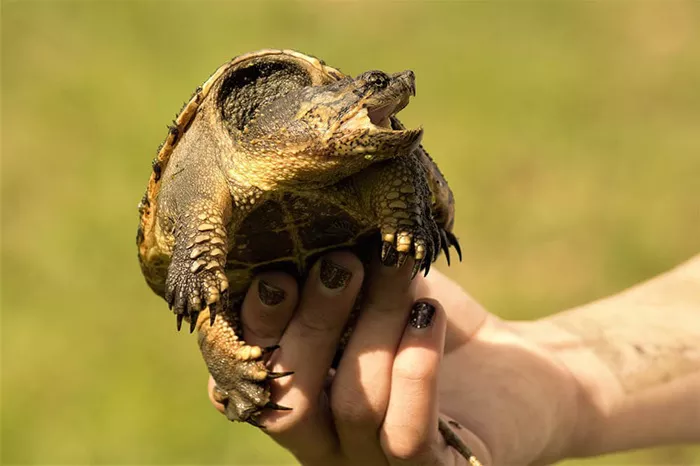
Imagine you’re standing by a peaceful pond. Suddenly, you spot a turtle slowly cruising beneath the water. But when it surfaces, it shows a fierce-looking jaw and snaps suddenly at the water nearby. You might instantly think, “Wow, that snapping turtle looks aggressive!”
But is that really true? Are snapping turtles actually aggressive, or is there more to the story?
This question is one of the most common—and misunderstood—about snapping turtles. Their tough appearance and quick bite can be intimidating, but their behavior is more complex than just “aggressive.” Understanding this species better will not only satisfy your curiosity but also help you interact safely and respectfully with these awesome reptiles.
In this article, we’ll explore everything you need to know about snapping turtle behavior—from why they snap, when they are defensive, to how they behave in the wild versus captivity. Plus, you’ll get some cool real-life stories, expert insights, and clear advice for anyone who might encounter or keep snapping turtles.
Let’s unlock the truth behind those snapping jaws—don’t miss it!
What Is a Snapping Turtle? Getting to Know the Species
Before we jump into behavior, a quick intro to these reptiles is helpful. When you hear “snapping turtle,” you might think of one specific kind, but actually, there are two main species you should know:
Common Snapping Turtle (Chelydra serpentina) — Found widely across North America, these turtles live in ponds, rivers, and lakes. They have a rugged, muscular shell and a long tail.
Alligator Snapping Turtle (Macrochelys temminckii) — Native mostly to the southern U.S., this species is larger and more prehistoric-looking, with a heavily ridged shell and spiky appearance.
Both species have strong jaws and powerful bites, which they use primarily for defense and hunting. Their nickname “snapping” comes from their quick, sudden jaw movement when they feel threatened or hungry.
Why Do Snapping Turtles Snap? Understanding Their Behavior
The first thing to know: snapping is not always about aggression. Imagine if someone suddenly shouted or moved quickly near you—you might flinch, yell, or jump. Snapping turtles behave similarly.
Defensive Snapping: A Natural Reaction
- When threatened, snapping turtles open their mouths and snap to warn or scare off predators.
- They often give a “hiss” sound by forcing air out of their lungs to amplify the threat.
- This reaction is a form of defense, not unprovoked aggression.
In the wild, this behavior helps them survive. Predators like raccoons or birds might think twice before attacking a turtle that bites back hard.
Hunting Snaps: Quick and Calculated
Snapping turtles also snap when hunting prey. They use a “sit and wait” strategy—lying still underwater with mouths open to lure fish. When a fish comes close, the turtle snaps fast, grabbing the meal.
This is a cool example of nature’s efficiency—no wasted movement, just an awesome, fast snap at the right moment.
See Also: Found Snapping Turtle Eggs? Do This First!
Are Snapping Turtles Dangerous to Humans?
If you’ve seen those giant jaws, you might wonder if snapping turtles are a danger to people.
The Bite Force of a Snapping Turtle
- Studies show the bite force of a common snapping turtle can reach over 400 pounds per square inch (psi).
- Alligator snapping turtles can bite even harder—up to 1,000 psi, which rivals some sharks!
That’s pretty impressive (and a bit scary). Their bite can cause serious injury, especially if fingers or toes get too close.
But Do They Attack Humans Often?
- The truth is, snapping turtles don’t usually attack unless provoked, cornered, or handled improperly.
- They are not naturally aggressive toward humans and prefer to avoid confrontation.
- Most bites happen when people try to pick them up or accidentally step near them.
One turtle owner shared: “I had a snapping turtle in my pond. It never attacked anyone unless they tried to catch it. It was actually shy around people!”
How to Safely Interact with Snapping Turtles (If You Must)
If you encounter a snapping turtle—whether in the wild or captivity—here’s how to behave:
- Never grab the turtle by the tail. It can injure them and cause the turtle to snap defensively.
- If you must move it, use both hands firmly around the back of the shell near the rear legs.
- Stay calm and avoid sudden movements that might startle it.
- Keep fingers and toes well away from the mouth.
- Give the turtle space to retreat if it wants.
These simple tips keep both you and the turtle safe and build respect between humans and reptiles.
What Makes Snapping Turtles Aggressive or Calm?
Are snapping turtles always grumpy? Nope! Their mood depends on:
Environment: Turtles in stressful or crowded spaces tend to snap more.
Handling: Frequent or rough handling makes turtles defensive.
Temperature: Like other reptiles, when cold, turtles become sluggish and less reactive.
Health: A sick or injured turtle might snap more out of discomfort.
Think of it like how dogs can be playful or protective based on how they’re treated and where they are. Snapping turtles have personalities too, though less cuddly!
The Myth of the “Aggressive Snapping Turtle”
There’s a common myth that snapping turtles are naturally mean or aggressive all the time. That’s not true and can lead to fear and misunderstanding.
Real-Life Stories That Break the Myth
A wildlife rehabilitator once told me: “I handled hundreds of snappers, and most were calm when approached gently. The only aggressive ones were scared or hurt.”
Another hobbyist shared, “My snapping turtle never tried to bite me. It was more scared of me than I was of it.”
This shows us that “aggression” in snapping turtles is often fear-based, not a personality flaw.
Are Alligator Snapping Turtles More Aggressive?
Since alligator snapping turtles look tougher, many assume they’re meaner.
- While they can be more territorial and bite harder, their behavior is similar to common snappers.
- They tend to be less active and snap mainly if disturbed.
- In the wild, they rely on camouflage and stillness more than aggression.
So, even these giants prefer to stay calm unless provoked.
How Snapping Turtle Behavior Changes in Captivity
Captive snapping turtles behave differently than wild ones:
- They may become habituated to humans but can remain defensive.
- Improper care (small tanks, lack of hiding spots) can stress them and increase snapping.
- Owners often report that patient, gentle handling leads to calmer turtles over time.
A reptile keeper explained, “My snapping turtle was fierce at first. After a year of gentle care, it let me touch its shell without snapping.”
Conclusion
Snapping turtles can look scary and do snap hard, but they are not naturally aggressive monsters. Instead, their snapping is mostly a defensive behavior triggered by fear or threat. They are wild animals that prefer to avoid conflict when possible.
With respect, care, and knowledge, humans can safely coexist with these ancient reptiles and even appreciate their unique behavior.
Next time you see a snapping turtle snap, remember—you’re witnessing an awesome survival skill, not unprovoked aggression.
Related topics: