
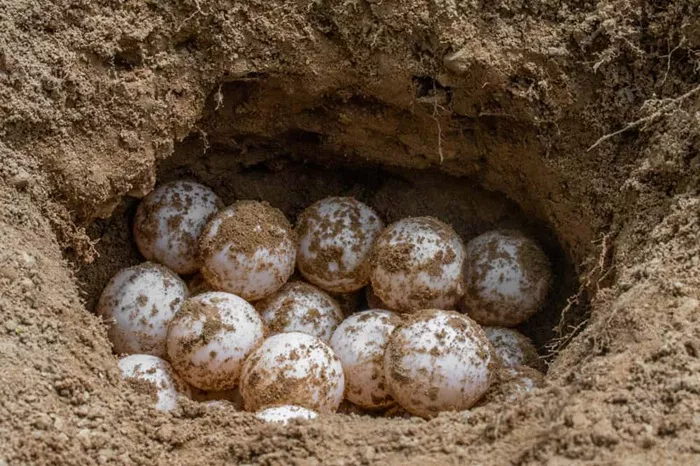
Imagine this: you’re walking near a lake, maybe just enjoying a sunny day, and you notice a small, shallow hole in the ground with round white objects inside. They look like ping pong balls buried halfway in the dirt. What you’ve just found might be snapping turtle eggs—and now you’re wondering, “What do I do with them?”
It’s an important question. These eggs are delicate, potentially endangered, and part of the ecosystem. Whether you’re a nature lover, a curious explorer, or someone who keeps reptiles, knowing how to respond can make all the difference for the tiny turtles waiting to hatch.
In this article, we’ll explore everything you need to know about snapping turtle eggs—from identifying and protecting them, to legal considerations, incubation tips, and what to expect after hatching. And don’t worry—you won’t need a biology degree to follow along. This guide is designed for beginners and hobbyists, filled with real-life examples, simple explanations, and yes—some awesome facts you’ll want to share with your friends.
Let’s dive into the wild and fascinating world of snapping turtles—because what’s happening just beneath your feet might be more exciting than you think.
Understanding Snapping Turtle Eggs: What Are They, Really?
Before you decide what to do with snapping turtle eggs, it helps to understand what they are. Think of snapping turtle eggs as tiny life capsules. Each one contains a developing turtle embryo, wrapped in a soft-shelled egg that looks and feels like a thick-skinned grape or rubbery marble.
What Do Snapping Turtle Eggs Look Like?
Shape: Almost perfectly round
Color: White or off-white
Size: About 1 inch (2.5 cm) in diameter—like a ping pong ball
Texture: Soft and leathery, not hard like chicken eggs
Unlike bird eggs, which are brittle and oval, reptile eggs are more flexible. They won’t shatter easily, but they can be damaged if moved incorrectly or exposed to the wrong conditions.
How Many Eggs Are in a Clutch?
A female snapping turtle lays between 20 and 40 eggs per clutch, but sometimes more. Common snapping turtles (Chelydra serpentina) usually lay fewer than alligator snapping turtles (Macrochelys temminckii), which can lay up to 50 or even 60 eggs in one go.
One reptile keeper once shared, “I found 31 eggs in my female snapper’s nest. It was like discovering buried treasure—but the kind that bites!”
Knowing how many eggs you’re dealing with can help you decide how to protect or relocate them, which we’ll talk about shortly.
Is It Legal to Touch or Move Snapping Turtle Eggs?
Let’s pause for a second and talk legality—because this is crucial.
Are Snapping Turtles Protected by Law?
In many U.S. states and Canadian provinces, snapping turtles—especially the alligator snapping turtle—are protected species. That means it’s illegal to disturb, collect, or relocate their eggs without a special wildlife permit.
You might think you’re helping, but moving the eggs without understanding the law could actually harm the population—or land you a fine.
Some quick examples:
In Illinois, alligator snapping turtles are listed as endangered, and handling their eggs without authorization is illegal.
In Ontario, Canada, the common snapping turtle is a species of special concern, and disturbing a nest can carry penalties.
So before you do anything, check your local wildlife regulations. A quick call to your local Department of Natural Resources (DNR) or conservation agency can save you from a big headache later.
Found Snapping Turtle Eggs? Here’s What You Can Do
Now let’s get practical. You’ve found snapping turtle eggs—maybe in your backyard, along a trail, or in a garden bed. What now?
Option 1: Leave Them Alone (Best Choice in the Wild)
This is the most recommended course of action. Wild snapping turtles are adapted to nature’s ups and downs. Their eggs are buried carefully by the mother and are surprisingly resilient.
If the nest is in a safe location—away from roads, construction, or predators—just mark the area and leave it undisturbed.
You can:
Put up a small fence or flag to prevent accidental damage
Inform local conservationists or reptile groups
Keep a respectful distance and avoid stepping on or digging around the area
Think of it like a “no trespassing” zone for wildlife. It’s not flashy, but it’s the most natural and respectful approach.
Option 2: Protect the Nest (If It’s at Risk)
Let’s say the eggs are in a place where they’re likely to get destroyed—like a driveway, public park, or near a construction site. In these cases, protection is better than removal.
Here’s how to help:
Cover the nest with a wire mesh cage (like chicken wire) to keep predators out. Make sure to leave enough space for hatchlings to escape.
Label the area clearly so people know not to touch it.
Report the nest to local wildlife groups—they may relocate the eggs professionally if needed.
A woman in Michigan once saved a clutch of snapping turtle eggs by placing a protective mesh cage over the nest in her backyard. “I just couldn’t stand the idea of a lawnmower running over them,” she said.
Option 3: Relocate or Incubate (Only If Legally Permitted)
In rare cases—like when flooding, immediate danger, or development threatens the nest—you might consider relocation or artificial incubation. But again, this should only be done with permission from wildlife authorities.
Steps for Safe Relocation:
Mark the egg’s top side with a pencil before moving. This keeps them in the same orientation, preventing embryo damage.
Carefully dig around the nest, using a spoon or gloved hand to scoop the eggs gently.
Place them in a soft container filled with the same soil from the nest. Avoid turning or shaking.
Transport them slowly and steadily, ideally no farther than a few hundred feet from the original site.
Even better? Let professionals do it. Local wildlife centers often have trained staff who can relocate the eggs safely.
How to Incubate Snapping Turtle Eggs at Home (With Permission)
Got a permit and want to incubate? Awesome—you’re about to be a reptile parent!
What You’ll Need:
Incubator or insulated box
Vermiculite or perlite (moisture-holding substrate)
Temperature and humidity gauge
Plastic containers with ventilation holes
How to Set It Up:
Prepare the substrate: Mix vermiculite and water (1:1 ratio by weight) until it holds shape when squeezed.
Place the eggs half-buried in the medium, top side up.
Keep temperature steady at 80–85°F (27–29°C). This is ideal for development.
Maintain humidity at 70–90%. Too dry and the eggs will shrivel. Too wet and they’ll rot.
Wait patiently. Incubation lasts 60 to 90 days, depending on temperature.
Watch for Mold and Rotation
Do not rotate the eggs—this can kill the embryo.
Check regularly for mold. White fuzz? Remove the affected egg and sanitize the container.
When the babies begin to hatch, you’ll see small cracks and maybe a nose poking out. Don’t rush the process—they’ll emerge on their own time.
What to Do After Snapping Turtle Eggs Hatch
Once the tiny turtles begin to break through their shells, it’s a breathtaking moment. But here’s the thing—hatchlings don’t need your help hatching. That’s right. Even though it’s tempting to assist, interfering too early can do more harm than good.
How Do Hatchlings Break Out of Their Shells?
Each baby turtle has a small temporary “egg tooth” on its snout, called a caruncle. It uses this tiny structure to slice through the leathery shell. This process can take several hours to a couple of days.
Once free from the shell, they may stay in the nest box or incubator a little longer to absorb their yolk sac—which provides nutrients for the first few days. It looks like a tiny balloon on their belly. Don’t worry—it’s natural.
When Should You Intervene?
Only step in if:
A baby is stuck in the egg after 48 hours and can’t break out.
There’s visible infection or foul smell.
The temperature or humidity in the incubator drops suddenly.
Otherwise, it’s best to let nature do its thing.
See Also: What’s the Real Growth Limit of a Snapping Turtle?
Releasing Snapping Turtle Hatchlings: Timing and Location Matter
After hatching, your next big decision is: where and when to release them. This is crucial to their survival and part of your responsibility as a caretaker (if you’re involved in incubation).
Best Time to Release Hatchlings
Age: 1–3 days after yolk absorption
Time of day: Morning or evening (avoid midday heat)
Season: Late summer to early fall (if the eggs hatched naturally)
Best Places to Release Hatchlings
Release hatchlings:
Near freshwater sources like ponds, lakes, or slow-moving rivers.
In shaded, vegetated areas near the water’s edge.
Away from busy roads or urban structures.
Here’s a tip: Place the hatchlings on soft ground a few feet from the water. Let them crawl toward it naturally. This “imprinting” helps them remember their environment.
Avoid These Mistakes:
Don’t toss hatchlings directly into deep water.
Don’t keep them as pets unless you have legal permission.
Don’t release them in unfamiliar or unnatural environments (like garden ponds).
One reptile rescuer once shared: “We released 20 baby snappers near a swamp we’d monitored for years. Watching them shuffle into the wild like tiny prehistoric tanks—it was just amazing.”
How to Identify Unhealthy Eggs or Nest Failure
Not all eggs hatch, and not all nests survive. It’s a hard truth, but part of nature’s balancing act. That said, knowing the signs of failure can help you learn and improve future efforts.
Signs of Bad or Infertile Eggs
Yellow or green tint instead of pure white
Shriveled or collapsed shape
Foul smell or visible mold (gray, black, or fuzzy white)
No development after 90 days
Reasons for Nest Failure
Predators (raccoons, skunks, crows)
Flooding (nests underwater)
Human activity (construction, lawn mowing, foot traffic)
Poor incubation conditions (wrong temperature or humidity)
If you encounter bad eggs in the wild, leave them. In incubation, remove and discard them carefully to prevent contamination.
Predators and Threats to Snapping Turtle Eggs
Turtle eggs are like candy to many wild animals. Even though snapping turtles are apex predators as adults, their eggs and hatchlings are incredibly vulnerable.
Common Egg Predators
Raccoons
Foxes
Opossums
Coyotes
Birds (crows, gulls, herons)
Domestic dogs or cats
In some areas, studies have shown that over 80% of turtle nests are destroyed by predators within the first week. That’s why protecting nests, when possible, can have a huge impact.
You can use wire mesh cages staked into the ground. Just make sure the holes are big enough (1–2 inches) for hatchlings to escape.
The Role of Snapping Turtle Eggs in Conservation
Why go through all this effort? Because snapping turtles are more than just reptiles—they’re part of a delicate freshwater ecosystem that needs our help.
Ecosystem Importance
Clean-up Crew: Adult snappers eat dead animals, helping keep waterways clean.
Biodiversity Boosters: They play a role in balancing fish and amphibian populations.
Indicators of Health: Healthy turtle populations = healthy water systems.
Sadly, habitat loss, pollution, overharvesting, and road mortality are threatening their numbers. Protecting eggs and hatchlings is protecting the future of the species.
In 2021, a citizen science group in Tennessee recorded 43 successful hatchling releases in one season—just from community nest monitoring. That’s what teamwork looks like!
What Not to Do with Snapping Turtle Eggs
Let’s be blunt—good intentions can cause real harm. Here are some common mistakes to avoid.
❌ Don’t Dig Up Nests “Just to See”
Curiosity is great—but digging up eggs without training can kill embryos, destroy orientation, or expose them to predators.
❌ Don’t Take Eggs Home Without Permits
Taking wild eggs is illegal in many regions. Even if you plan to raise and release them, doing it without permits could result in fines or worse.
❌ Don’t Feed Hatchlings Human Food
Releasing a turtle that’s used to dog food, bread, or fish sticks? That’s not doing it any favors. Wild turtles need to be wild.
If you’re not sure what to do, reach out to a local herpetology group, wildlife center, or reptile rescue.
Teaching Kids and Communities About Turtle Eggs
Snapping turtles can be a fantastic teaching opportunity, especially for kids. Their life cycle is dramatic, visual, and full of natural wonder.
Ways to Teach Turtle Respect:
- Organize a nest watch program with local schools or nature groups.
- Set up a wildlife camera to watch a nest without disturbing it.
- Read turtle-themed books and compare egg development to something like a time-lapse garden—from seed to sprout.
This builds empathy and understanding, which is key to long-term conservation success.
Conclusion
So let’s bring it all together.
✅ If you find snapping turtle eggs in the wild:
→ Leave them alone unless they’re clearly at risk.
✅ If the nest is threatened:
→ Protect it with mesh, mark the area, and contact wildlife officials.
✅ If you have a permit and must relocate or incubate:
→ Handle carefully, follow reptile incubation best practices, and never rotate the eggs.
✅ After hatching:
→ Release hatchlings near water, in shaded, natural areas, and never toss them into ponds.
✅ Always respect wildlife laws, avoid common mistakes, and teach others about the importance of turtle conservation.
Whether you’re a herp hobbyist, a wildlife lover, or just someone who stumbled on a surprise in your backyard, remember: you have the power to help the next generation of snapping turtles thrive.
Related topics: