
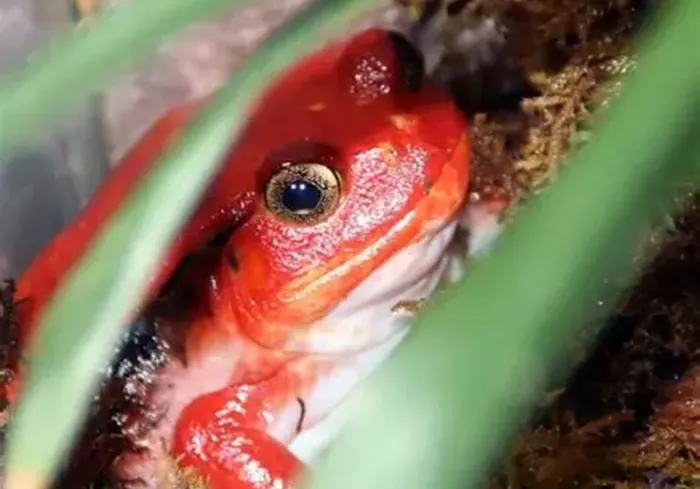
Have you ever looked at a tomato frog and thought, “Wow, this little creature looks tough”? With their vibrant orange or red skin and their robust build, it’s easy to imagine that they might have a bit of an attitude. But are they aggressive? Do they have a fiery temper to match their striking appearance? If you’ve ever wondered about the temperament of these fascinating amphibians, this article is for you.
Tomato frogs, also known by their scientific name Dyscophus antongilii, are native to Madagascar, where they thrive in humid forests and tropical climates. Their bright coloration and unique features make them stand out among other frogs. But when it comes to temperament, are they friendly or fierce? In this article, we’ll dive into the behavior of tomato frogs, dissect what makes them tick, and help you understand whether they pose a threat to humans or other pets. Spoiler alert: they’re not as aggressive as you might think.
Understanding Tomato Frogs: Their Natural Behavior
Before we explore their temperament, let’s get to know the tomato frog better. Imagine you’re in the lush, tropical rainforests of Madagascar. You hear the sounds of birds and insects, and somewhere among the foliage, you might spot these frogs, their bright orange skin a signal of their presence. Tomato frogs are relatively small but robust, typically growing up to 4 inches long.
Their diet consists of insects, which they catch with their sticky tongues. They’re mostly nocturnal, meaning they’re more active at night, hopping around in search of food. These frogs have a special defense mechanism that makes them stand out in the amphibian world: when threatened, they secrete a toxic substance from their skin. This secretion is a deterrent to predators, making it clear that the tomato frog is not to be messed with. But does this mean they are aggressive? Let’s break it down.
Tomato Frogs and Aggression: Separating Fact from Fiction
While tomato frogs do have a defense mechanism that might make them appear aggressive, they are generally not aggressive by nature. So, if you’re wondering whether these frogs will jump out at you in a fit of fury, rest assured—they won’t. Tomato frogs are typically shy creatures that prefer to stay hidden when not actively foraging. Their natural instinct is to avoid conflict rather than confront it head-on.
That being said, tomato frogs will defend themselves if they feel threatened. Their primary form of defense is their skin secretion, which is toxic to many predators. This is a clear warning sign: “Don’t mess with me!” It’s like if you were carrying a “Do Not Disturb” sign—you’re not looking for a fight, but you’re making it clear that you’d rather be left alone.
Interesting fact: The secretion isn’t dangerous to humans in most cases, but it can cause skin irritation or an allergic reaction if it comes into contact with your skin. So, while they’re not out to get you, it’s important to respect their boundaries and handle them with care.
What Makes Tomato Frogs “Aggressive”?
So, why do some people think that tomato frogs are aggressive? The confusion usually arises from their self-defense behavior. When they feel threatened, these frogs will puff up their bodies and secrete the toxic fluid from their skin. This puffing up can make them look larger and more menacing, which might lead you to think they are being aggressive. But in reality, they are simply trying to make themselves appear more intimidating to potential threats.
It’s kind of like a cat hissing or puffing up its fur when it’s scared or angry—it’s not necessarily looking to fight, but it’s making sure you know it has some tricks up its sleeve.
How Tomato Frogs Behave in Captivity
If you’re considering getting a tomato frog as a pet, one of the most important things to understand is that they are not overly aggressive or territorial. Tomato frogs are relatively low-maintenance pets, and they do not need constant social interaction. However, they do have some specific care requirements to stay healthy.
In captivity, tomato frogs are usually very passive and calm. They won’t chase after you or your other pets, and they are not likely to exhibit aggressive behaviors. They will, however, become stressed if they feel unsafe or are housed in an environment that is too small or too loud. If you want a tomato frog as a pet, it’s best to give it a quiet, spacious tank with plenty of hiding spots where it can feel secure.
Pro tip: Tomato frogs prefer a moist environment, so maintaining the humidity levels in their enclosure is key to keeping them healthy and comfortable.
See Also: How Long Can Tomato Frogs Live? Top Factors to Consider
Do Tomato Frogs Pose Any Threat to Other Pets?
If you have other pets, especially amphibians or reptiles, you might be wondering if a tomato frog could be aggressive toward them. The answer is generally no. Tomato frogs are not particularly territorial, and they are not known for picking fights with other animals. In fact, they tend to keep to themselves and prefer their own space.
However, they can be a bit protective of their food. Like many amphibians, tomato frogs can be opportunistic feeders, and if you’re feeding them alongside other creatures, there’s a chance they could get a little possessive of their meal. But this doesn’t necessarily translate to aggression—it’s just their way of ensuring they get enough to eat in the wild.
Fun Fact: Despite their slightly intimidating appearance, tomato frogs rarely engage in violent conflict with other animals. Their main concern is survival, and they prefer to avoid danger when possible.
When Do Tomato Frogs Show Aggressive Behavior?
There are a few situations where a tomato frog might show more defensive or aggressive behavior. For example:
During Breeding Season: Like many animals, tomato frogs can become more territorial and aggressive during mating season. The males might compete for the attention of females, and this could lead to some mild aggression between the frogs.
If They Feel Trapped: If you’re handling a tomato frog and it feels like there’s nowhere to escape, it might become defensive. This could include puffing up its body, secreting its skin toxins, or attempting to escape.
In the Presence of Larger Predators: While they aren’t aggressive toward humans, they may react aggressively if they feel threatened by larger animals, especially predators that might try to eat them.
Conclusion
In conclusion, tomato frogs are not naturally aggressive animals. Their primary instinct is to avoid danger, not seek it out. While they do have a unique defense mechanism in the form of toxic skin secretions, they generally won’t attack unless they feel cornered or threatened. So, if you’re thinking about getting one as a pet, know that these frogs are likely to be peaceful and shy. Just make sure to provide them with a comfortable, safe environment, and they’ll do just fine.
Remember, respecting their space and understanding their behavior is the key to coexisting with these fascinating amphibians. While they may look intimidating, they’re more about survival than aggression.
Related topics: