
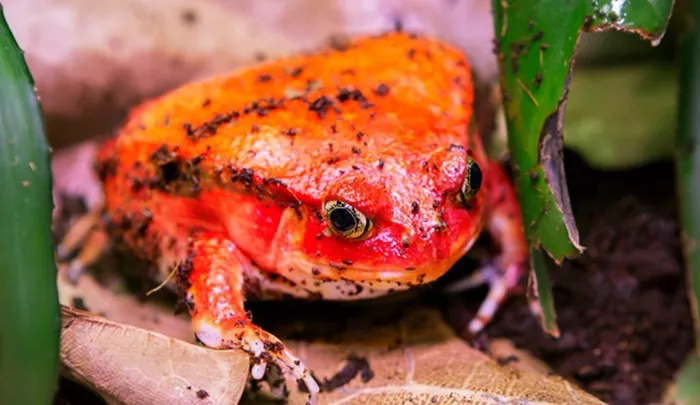
Tomato frogs (Dyscophus antongilii), known for their striking red or orange color, are one of the most interesting amphibians found in the tropical forests of Madagascar. If you’re a reptile or amphibian enthusiast considering adding one of these incredible creatures to your collection, one of the first things you’ll likely wonder is: how long do tomato frogs live?
The lifespan of a tomato frog is an essential aspect of their care. Understanding how long they can live and what factors contribute to their longevity will help you provide the best possible environment for these fascinating creatures. In this article, we will answer that question in detail, exploring everything from the factors that influence their lifespan to the key care requirements you need to keep them healthy and thriving.
So, let’s dive right in and explore the secrets of the tomato frog’s lifespan!
The Average Lifespan of Tomato Frogs
In captivity, tomato frogs can live up to 10 years or even longer with the right care. This lifespan is quite impressive compared to other amphibians, especially when you consider that their relatives, like the common frog, tend to live around 5 to 8 years.
However, the lifespan of tomato frogs in the wild tends to be shorter due to predators, environmental hazards, and food availability. On average, wild tomato frogs can live anywhere from 4 to 6 years. This difference in lifespan highlights how much care and protection an aquarium or terrarium setup can provide.
Factors Affecting the Lifespan of Tomato Frogs
1. Diet and Nutrition
A balanced diet is crucial for your tomato frog’s long life. Think of it like fueling your car with the right kind of gas. Just as a car won’t run efficiently with the wrong fuel, your frog won’t thrive if it doesn’t have proper nutrition.
Tomato frogs are insectivores, meaning they eat insects. A diet rich in crickets, mealworms, waxworms, and other suitable insects provides them with the necessary vitamins and minerals to stay healthy. Avoid overfeeding them, as obesity can shorten their lifespan. Offering variety in their diet is also key—just like humans, they don’t want to eat the same thing every day!
2. Enclosure Size and Environment
Just like any other pet, tomato frogs need the right environment to thrive. A cramped, poorly maintained space can stress them out and lead to shorter lifespans. When you think about it, a frog in a small, dirty tank is like a person living in a cramped, messy apartment—it’s not conducive to happiness or health!
For tomato frogs, a 30-gallon tank is usually the minimum size recommended for one adult frog. Make sure to provide hiding spots like rocks or logs, as well as plenty of moist substrate to mimic the humid environment of their natural habitat. They also appreciate temperature control, so keeping the tank between 75–80°F (24–27°C) will help them thrive.
3. Humidity and Temperature Levels
Tomato frogs come from Madagascar, where the climate is humid and warm. If you’re keeping one as a pet, think of it like giving them a taste of their native home. They require high humidity levels, around 70–80%. A humid environment prevents dehydration and helps them shed properly, contributing to their overall health.
Temperatures should be carefully monitored. If the tank gets too hot or too cold, your frog might experience stress, which could shorten its lifespan. Regular use of a thermometer and hygrometer will ensure that the temperature and humidity are just right.
4. Health Care and Monitoring
A healthy tomato frog is a long-lived tomato frog! Regular monitoring of your pet’s health is essential. Just like you go for checkups to keep yourself in good shape, your frog may need vet visits for routine health checks.
Tomato frogs are known for their skin toxicity. They secrete a mild toxin from their skin as a defense mechanism, which can protect them from predators. However, this doesn’t mean they are invincible. Overexposure to stressors, poor diet, or bad tank conditions can lead to health issues, such as skin infections or parasites. Keeping the environment clean and providing a balanced diet will minimize the chances of these problems.
See Also: What Is the Life Cycle of a Tomato Frog? Magical Process
The Tomato Frog’s Life Stages: From Tadpole to Adult
Tomato frogs, like other amphibians, undergo an exciting transformation throughout their life. This process, known as metamorphosis, is an essential part of their lifespan.
1. Egg Stage
Tomato frogs begin their life as eggs, which are laid in shallow pools of water. Each egg is surrounded by a gelatinous substance that protects it until it hatches. These eggs typically hatch in about 2-3 weeks depending on temperature and humidity conditions. Once they hatch, the tiny tadpoles are ready to begin their aquatic journey.
2. Tadpole Stage
Tomato frog tadpoles spend around 6 to 8 weeks in the water, developing their limbs and absorbing their tail. During this time, they undergo significant changes as they grow stronger and larger.
3. Juvenile Stage
After metamorphosis, they emerge as small juvenile frogs. At this stage, they begin transitioning to a terrestrial lifestyle, though they will still require access to water. They grow quickly and can begin to feed on small insects within 3 to 4 months.
4. Adult Stage
Once they reach full maturity, which occurs around 12 to 18 months, they will have reached their adult size, typically between 4 to 5 inches in length. At this point, they become fully independent and ready to reproduce.
Common Health Problems and Their Impact on Lifespan
As with any pet, tomato frogs are susceptible to certain health problems. Some common issues that could shorten their lifespan include:
1. Respiratory Infections
A common issue for amphibians, respiratory infections can be triggered by low humidity or poor ventilation. Ensure the tank is well-ventilated and humidity is stable.
2. Skin Issues
Tomato frogs are prone to skin infections if their environment is too dry or too dirty. Regular cleaning of the tank and proper humidity can prevent this.
3. Parasites
Parasitic infections, often introduced through contaminated food or water, can be deadly to frogs. Regular vet checkups can help spot any parasitic infections early.
Tips for Maximizing Your Tomato Frog’s Lifespan
Avoid Stress: Stress is a major contributor to health issues. Avoid handling your tomato frog too much, and keep other pets or loud noises away from their tank.
Proper Tank Maintenance: Regularly clean the tank and replace the water. An unclean environment leads to health problems and a shorter life expectancy.
Observe Behavior: Keep an eye on your frog’s behavior. If you notice any changes, such as lack of appetite or abnormal skin shedding, consult a veterinarian immediately.
Conclusion
In conclusion, the lifespan of a tomato frog is influenced by a variety of factors, including diet, environment, and health care. With proper care, your tomato frog can live for up to 10 years in captivity, providing you with years of enjoyment and fascination. So, if you’re planning to welcome one of these vibrant amphibians into your home, remember that their longevity depends on how well you replicate the conditions of their natural environment and maintain their health.
Related topics: