
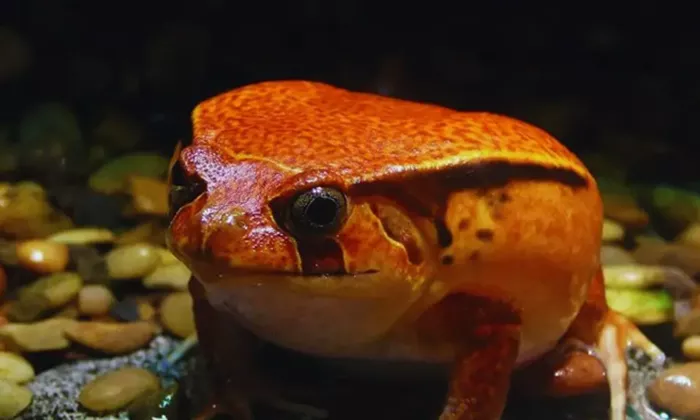
Tomato frogs. Ever heard of them? These eye-catching, vibrant creatures stand out in the world of amphibians, and once you set eyes on them, you’ll understand why. But what makes them so special? From their distinctive appearance to their fascinating behavior, the tomato frog offers a captivating look into nature’s ability to create unique, adaptive creatures. If you’re thinking about getting one as a pet or simply want to understand why these frogs are so interesting, you’ve come to the right place.
Introduction: Why Are Tomato Frogs Special?
At first glance, the tomato frog might just look like another colorful amphibian, but dig a little deeper, and you’ll discover it’s far more than meets the eye. Native to the rainforests of Madagascar, these frogs have evolved in remarkable ways to survive and thrive in their environment. But what makes them so unique isn’t just their color. From their defense mechanisms to their unusual breeding habits, the tomato frog is truly one of a kind in the amphibian world.
Imagine walking through the lush, humid rainforests of Madagascar, surrounded by the sounds of birds and insects. Suddenly, a flash of red catches your eye—it’s the bright, almost neon-red body of a tomato frog, tucked beneath a leaf or rock. It’s a sight that’s both beautiful and a little mysterious, don’t you think? These frogs have evolved with some of the most stunning, yet practical features that help them survive in the wild. But why the intense color? Why the fascinating abilities? Let’s uncover the secrets.
What Exactly Is a Tomato Frog?
Before we dive deeper, let’s start with the basics. The tomato frog (genus Dyscophus) is a species of frog found exclusively on the island of Madagascar. They’re easily recognizable by their bright red or orange color, which closely resembles, as you might guess, a tomato! Their vibrant hues are more than just a pretty feature, though. This coloration serves as a warning to predators—essentially, it says, “I’m not just another tasty snack!”
Tomato frogs belong to the family Microhylidae, a group of small, mostly tropical frogs. Their striking appearance and unique behaviors make them a fascinating subject for both researchers and reptile enthusiasts alike. But why does such a small, brightly colored amphibian stand out so much in the vast biodiversity of Madagascar?
Why Are Tomato Frogs So Brightly Colored?
Bright colors are not just for show. In the animal kingdom, these colors often signal something important—whether it’s poisonous, dangerous, or just really hard to miss. In the case of tomato frogs, their vivid red or orange skin serves as a form of aposematic coloration. This is a fancy way of saying that the frog’s color is a warning to potential predators that it’s not a good idea to try to eat it.
But it doesn’t stop there. Tomato frogs secrete a sticky, toxic substance from their skin when threatened. This goo is not just unpleasant—it can also cause irritation or even harm to predators. It’s a smart survival strategy that makes these frogs less appealing to those who might consider them a meal. Think of it like a “no entry” sign on a busy street—bright, noticeable, and easy to avoid.
In the wild, many predators learn to associate bright colors with danger or toxicity. So, by adopting such a bold appearance, the tomato frog avoids being eaten and can go about its business, thriving in the damp, tropical forests of Madagascar.
A Unique Defense Mechanism
Now that we’ve established their eye-catching color, let’s talk about one of their most special features—their defense mechanism. When a tomato frog feels threatened, it doesn’t just rely on its color to scare off predators. It also secretes a sticky, milky substance from its skin that is highly toxic.
The secretion, while irritating to potential predators, serves as a deterrent. For example, if a curious predator—say, a bird or small mammal—gets too close, it might attempt to grab the frog. The frog responds by releasing its toxin, which can cause the predator’s mouth to burn or become sticky. This gives the frog time to escape and survive another day.
But here’s where it gets even more interesting: the secretion isn’t just a random goo—it can harden quickly, forming a thick, sticky mass that can coat the predator’s mouth or hands. This sticky layer makes it difficult for the predator to swallow or even hold onto the frog, allowing the tomato frog to wriggle free. Imagine trying to eat a meal while your hands are stuck together by glue. Not easy, right?
Tomato Frogs’ Unique Reproduction
Aside from their vibrant appearance and sticky defenses, tomato frogs also have some fascinating breeding habits that make them unique in the amphibian world. Unlike some frogs that lay their eggs in water, tomato frogs lay their eggs on land, usually in moist areas near a water source.
Once the eggs hatch, the tiny tadpoles need to find their way to water to complete their development. However, the most interesting part of their reproductive process is the distinctive sounds they make during mating. Male tomato frogs use a series of calls to attract females, but their calls aren’t just simple croaks—they can vary depending on environmental factors, such as temperature or humidity.
This adaptability is another reason why the tomato frog has been so successful in the diverse climates of Madagascar. Its ability to breed on land and adapt its calls to different conditions makes it incredibly resilient in its habitat.
See Also: How to Choose the Right Substrate for Your Tomato Frog?
Do Tomato Frogs Make Good Pets?
If you’re considering a tomato frog as a pet, you’re in for a treat—figuratively speaking, of course. Tomato frogs are relatively easy to care for in captivity, making them a popular choice for reptile enthusiasts. However, there are a few things you should know before bringing one home.
Firstly, these frogs require a humid environment to thrive. You’ll need to maintain a warm, moist habitat with appropriate substrate and hiding places to mimic the conditions of the Madagascar rainforest. A terrarium with plenty of plants and a water dish will suffice, but make sure it’s not too deep—tomato frogs are terrestrial, so they don’t spend much time swimming.
Tomato frogs also require a diet of live insects, including crickets and worms. Their appetite is healthy, and they are not picky eaters, which makes feeding relatively easy. However, because of their toxicity, it’s important to handle them with care. You should wash your hands thoroughly after handling them to avoid contact with any harmful secretions.
Interesting Facts About Tomato Frogs
Habitat: Native only to Madagascar, they thrive in rainforests, where they hide beneath rocks and vegetation to stay cool and moist.
Size: These frogs can grow up to 5 inches (12 cm) long, making them fairly large compared to other frogs in the Dyscophus genus.
Life Expectancy: Tomato frogs can live for 6 to 10 years in captivity, making them relatively long-lived pets.
Coloration Changes: Some tomato frogs may change color slightly depending on their mood or environment. They often appear brighter when stressed.
Why Should You Care About the Tomato Frog?
The tomato frog is more than just a pretty face in the animal kingdom. Its fascinating biology and unique adaptations make it a standout species among amphibians. From its toxic defense mechanism to its beautiful, eye-catching color, the tomato frog is a perfect example of nature’s creativity. By understanding more about creatures like the tomato frog, we can appreciate the intricacies of evolution and how different species have evolved to thrive in specific environments.
Moreover, the existence of the tomato frog reminds us of the importance of conservation efforts. Madagascar, home to many unique species, is facing numerous environmental challenges, including deforestation and habitat loss. Protecting the tomato frog and its habitat means safeguarding the biodiversity of one of the world’s most unique ecosystems.
Related topics: