
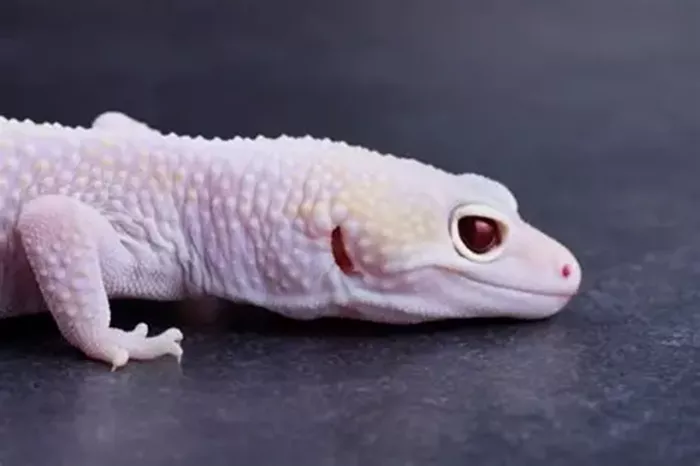
When you think of a leopard gecko, the image that likely comes to mind is one of yellow and black patterns, resembling the spots of a leopard. But did you know that there’s a stunning variation of this lizard called the white leopard gecko? It’s an incredible morph that has captured the hearts of reptile enthusiasts and collectors worldwide. So, what makes this unique gecko so special, and why is it worth learning more about?
In this article, we’ll dive into the fascinating world of the white leopard gecko, a morph of the well-known leopard gecko, but with a strikingly different look. We’ll explore its physical characteristics, habitat, care requirements, and more. Stick around—you’re about to unlock some pretty cool facts that will deepen your understanding of this beautiful reptile!
What is a White Leopard Gecko?
A white leopard gecko is not a different species but rather a color morph of the common leopard gecko (Eublepharis macularius). These geckos are characterized by their light, almost albino-like appearance, which contrasts greatly with the typical yellow and black-spotted pattern seen in the wild-type leopard gecko. The “white” part comes from a genetic mutation that affects the coloration of their skin, producing a pale or snowy white base with subtle patterns, often in light grey or yellowish hues.
If you’ve ever seen one, you know how striking their appearance can be. It’s like a blank canvas with just a hint of artistic streaks. Imagine looking at a piece of paper that’s mostly white, but has faint patterns reminiscent of clouds, giving it an ethereal look. That’s exactly what a white leopard gecko looks like—soft, minimal, and graceful.
How White Leopard Geckos Are Different from Other Leopard Geckos
The main difference between a white leopard gecko and its more commonly known relatives lies in its appearance. While wild-type leopard geckos have yellow bodies with black spots, white morphs can vary from being mostly white to a pale yellowish hue with minimal spotting. Some may even have a translucent or almost pinkish look.
Genetic Mutation
The white appearance in leopard geckos is due to a mutation in the genetic code that affects pigmentation. These geckos are typically bred selectively for this trait, and the genetic mutation is carried forward through breeding programs. The most common types of white morphs include:
Albino: These geckos have no pigmentation in their skin, giving them an almost translucent, pale appearance.
Snow: Snow leopard geckos have a very light-colored body with few or no spots. Their coloration can range from white to a light grey.
Tremper Albino: A popular albino morph, Tremper albino geckos have a pale white body with soft yellow tones.
Blizzard: These geckos are almost completely white with a slight yellow hue, making them resemble a “blizzard” of snowflakes.
Size and Shape
In terms of size, white leopard geckos don’t differ significantly from their more common counterparts. They generally grow to 8–10 inches long and have a sturdy, stocky body. Their limbs are short and their tails, like other leopard geckos, are thick and store fat—this helps them survive in tough conditions when food may be scarce.
While the white morph doesn’t change the overall shape or size of the gecko, it does give them a more distinct look, often making them appear more delicate and elegant compared to their yellow counterparts.
You must interested : Cutest Lizards for Pets: 6 Species That Are Simply Irresistible
Behavior and Temperament: Are They Different from Regular Leopard Geckos?
One question that many people ask when considering getting a white leopard gecko is whether their temperament differs from standard leopard geckos. The answer is no—white leopard geckos are just as gentle and calm as any other leopard gecko.
Leopard geckos, in general, are known for their docile and friendly nature. They are excellent pets, especially for beginners, because they are relatively easy to handle. They’re typically non-aggressive and don’t mind being held, making them ideal for kids and adults alike.
Nocturnal Nature
Just like their wild counterparts, white leopard geckos are nocturnal. This means they are most active during the night and rest during the day. If you’re thinking about keeping one as a pet, you’ll find that they prefer hiding during the day and coming out to hunt or explore when the sun sets.
Territorial Behavior
While generally friendly, leopard geckos can be territorial, especially males. In the wild, they establish territories and will defend them against other males. In captivity, they may display similar behaviors if housed with other geckos, so it’s essential to consider their social needs and housing requirements carefully.
Diet: What Do White Leopard Geckos Eat?
White leopard geckos, like all leopard geckos, are insectivores. This means they rely on insects to provide the nutrients they need for survival. In the wild, they hunt a variety of prey, such as crickets, roaches, and other small insects.
Diet in Captivity
In captivity, a white leopard gecko will thrive on a diet of crickets, mealworms, superworms, and occasionally waxworms. It’s crucial to feed your gecko a balanced diet, offering them a variety of insects to prevent them from becoming bored with their food. You should also supplement their diet with calcium and vitamin D3, which are essential for bone health and preventing metabolic bone disease.
You can use the same feeding schedule for your white leopard gecko as you would for any other gecko. Typically, young geckos will need to eat every day, while adults can be fed every other day. Make sure the insects you feed them are appropriately sized—not too large, as it can cause digestive issues.
Housing and Care: How to Keep Your White Leopard Gecko Happy
The care requirements for a white leopard gecko are pretty similar to those of a regular leopard gecko. However, due to their pale skin, they might require slightly more attention to ensure they’re not exposed to too much direct sunlight, which could lead to stress or overheating.
Enclosure Setup
Tank Size: A 20-gallon tank is sufficient for one adult gecko. Ensure the tank is secure, as leopard geckos are escape artists.
Temperature: Leopard geckos require a basking area with temperatures ranging from 88°F to 92°F (31°C to 33°C) and a cooler side of around 70°F to 75°F (21°C to 24°C).
Substrate: You can use paper towels, reptile carpet, or tile as a substrate. Avoid sand or loose substrates, as they can cause impaction if ingested.
Humidity: While leopard geckos come from dry environments, they still need a moist hide for shedding. Maintain humidity levels between 30% and 40% and provide a moist area with sphagnum moss or damp paper towels.
Lighting
Though leopard geckos don’t need UVB light as much as other reptiles, it can still be beneficial to provide a low-intensity UVB light to simulate natural daylight cycles. This will help regulate their circadian rhythm and promote overall health.
Shedding
Like all geckos, white leopard geckos will shed their skin regularly. Providing a humid hide and ensuring proper hydration will help them shed their skin smoothly. If shedding becomes problematic, you can mist their hide or soak them in lukewarm water for a few minutes to help the process.
Health Considerations for White Leopard Geckos
Common Health Issues
Metabolic Bone Disease: This is a common issue in geckos that don’t get enough calcium or UVB light.
Parasites: Like other reptiles, leopard geckos can carry internal parasites, so regular vet check-ups are recommended.
Dehydration: Make sure your gecko always has access to fresh water, as dehydration can be a serious problem for reptiles.
Conclusion
The white leopard gecko is a striking morph that captures the beauty and resilience of the common leopard gecko. With its pale, almost ethereal appearance, it stands out as a unique and captivating pet. Whether you’re an experienced reptile owner or new to the world of geckos, the white leopard gecko is an excellent choice for anyone looking for a docile, low-maintenance companion.
By providing them with the proper care, a balanced diet, and a suitable environment, you’ll ensure your white leopard gecko leads a happy and healthy life. Don’t miss the opportunity to add this stunning reptile to your collection—it’s truly a gem in the reptile world.
Related topics: