
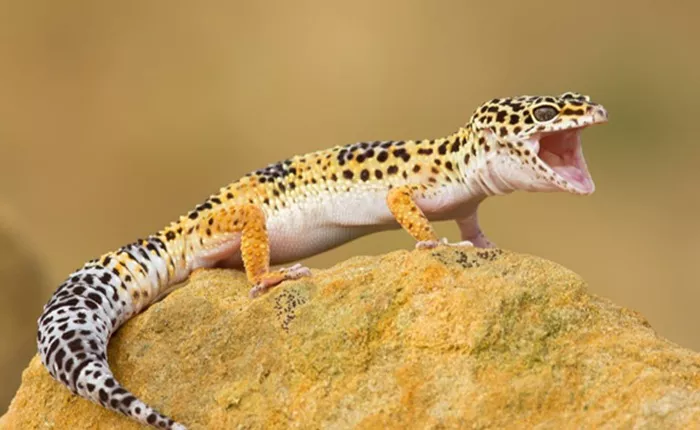
If you’ve ever been intrigued by the stunning patterns of a leopard gecko or considered them as exotic pets, you may have wondered what these reptiles are like in the wild. Imagine coming across a creature that thrives in some of the harshest, driest environments on Earth. A wild leopard gecko is not only a marvel of nature but also an incredible survivor.
In this article, we’ll uncover the fascinating world of wild leopard geckos, exploring their natural habitat, behaviors, diets, and more. Whether you’re a reptile enthusiast or simply curious, you’re about to embark on an exciting journey into the world of one of the most adaptable and unique lizards around.
A Glimpse Into the Wild: Where Do Wild Leopard Geckos Live?
Leopard geckos are native to the arid regions of Asia, particularly the deserts of Afghanistan, Pakistan, India, and parts of Iran. These lizards have adapted to a range of climates, but they predominantly thrive in dry, rocky, and often scrubby terrains. The name “leopard” comes from their distinct pattern of yellow and black spots, which provides them with camouflage in the wild, especially on the rocky surfaces they call home.
To picture their environment: imagine the hot, sun-baked earth, with sparse vegetation, and the occasional rocky outcrop. During the day, temperatures can soar above 100°F (38°C), but at night, the temperature can drop drastically. This fluctuation requires the leopard gecko to be both a hunter and a survivor, capable of withstanding these extreme conditions.
When you think of a wild leopard gecko, picture a resilient creature, perfectly suited to life in these unforgiving conditions. They have adapted over millennia, developing unique survival strategies that allow them to thrive in places that would otherwise be inhospitable to most reptiles.
Physical Features of Wild Leopard Geckos
Colors and Patterns
Leopard geckos are known for their attractive and diverse coloration. In the wild, they come in a variety of hues, but the classic look features a yellow body with black spots, reminiscent of a leopard’s coat. These patterns help them blend in with their rocky environments, providing camouflage against predators.
Tail Storage
One of the most fascinating features of wild leopard geckos is their tail. The tail is thick and capable of storing fat and water. This allows the gecko to survive when food and water are scarce. If threatened, a leopard gecko can even shed its tail, a process called “autotomy,” to escape from predators. The tail regrows over time, but it may not look exactly the same as the original.
Size and Shape
On average, wild leopard geckos grow between 8 and 10 inches long, but some can reach up to 12 inches. They have a stout body and short legs, built for burrowing and quick movements across the ground.
These physical traits are part of what makes the leopard gecko so adaptable to life in the wild. The combination of camouflage, fat storage, and quick reflexes helps them survive in some of the harshest environments.
Diet: What Wild Leopard Geckos Eat
Leopard geckos are insectivores, meaning their primary diet consists of insects. In the wild, they hunt a variety of bugs, including crickets, locusts, grasshoppers, and even small spiders. Their excellent vision allows them to hunt at night, a trait known as “nocturnal.” Unlike many other reptiles that are active during the day, leopard geckos come out under the cover of darkness to search for food.
You might be surprised to learn that wild leopard geckos are opportunistic hunters. If they encounter other small prey, such as lizards, they won’t hesitate to eat them. Their diet is high in protein, which is essential for their growth and energy.
During their nighttime hunting expeditions, wild leopard geckos rely on their keen sense of vision to detect movement. Once a potential meal is spotted, they use their quick reflexes to dart forward, capturing it with their agile jaws.
Diet in Captivity vs. the Wild
In captivity, leopard geckos may be fed a variety of insects, such as crickets, mealworms, and waxworms. However, in the wild, they typically consume whatever is available, and their diet is more varied. Their ability to adapt to different food sources is a crucial aspect of their survival in the wild.
Behavior and Lifestyle
Wild leopard geckos are primarily solitary creatures. They are territorial, meaning they prefer to live alone, especially as adults. Male leopard geckos are particularly known for defending their territories aggressively. They use a variety of body language signals, including tail waving and vocalizations, to warn others to stay away.
These geckos are nocturnal hunters, as mentioned, which means they come out at night to hunt. They are also incredibly efficient when it comes to conserving energy. During the heat of the day, wild leopard geckos typically stay hidden in cool, shady spots or burrow into the ground to avoid the scorching sun.
Their burrowing behavior is also a critical part of their lifestyle. Leopard geckos dig deep into the earth, where they find cooler, more stable temperatures. This behavior helps them regulate their body temperature and avoid dehydration.
Socialization and Communication
Though solitary by nature, wild leopard geckos communicate with each other. When they encounter another gecko, they may hiss, display territorial behavior, or even engage in combat. These interactions help to establish and maintain boundaries in the wild.
Reproduction in the Wild
Leopard geckos have an interesting and complex reproductive cycle. In the wild, mating typically occurs during the cooler months of the year, usually in the spring. Males will use vocalizations and displays to attract females, and once a mate is selected, the female will lay eggs in a hidden, secure location.
Egg-Laying Process
Female leopard geckos lay eggs in burrows or under rocks. They can lay anywhere from 2 to 3 eggs per clutch, and they may produce several clutches throughout the breeding season. The eggs are left to incubate in the warmth of the earth, and after several weeks, the baby geckos hatch. The young leopard geckos are independent from birth and immediately begin hunting for food.
In the wild, the survival rate of hatchlings can be quite low, as they face numerous predators and environmental challenges. However, those that do survive grow up to be resilient adults, continuing the cycle of life in the harsh desert.
Natural Predators and Threats
Wild leopard geckos face many threats in their natural habitat, and their survival depends on their ability to avoid predators. Their primary predators include birds of prey, snakes, and mammals. To avoid detection, they rely on their camouflage, burrowing abilities, and nocturnal lifestyle.
How They Defend Themselves
When threatened, wild leopard geckos may use a variety of defense mechanisms. Their ability to shed their tail in the event of an attack is one of their most effective survival tactics. This self-defense mechanism distracts predators, giving the gecko a chance to escape.
In addition to tail shedding, leopard geckos can also climb short distances or use their speed to evade capture. These adaptations make them highly resilient in the face of danger.
Conservation and the Future of Wild Leopard Geckos
Wild leopard geckos are not currently listed as endangered, but habitat destruction, climate change, and the pet trade pose ongoing threats. As desert habitats are increasingly disturbed by human activity, these geckos face a loss of natural shelter and food sources. Additionally, the illegal pet trade has led to overcollection in some areas.
Fortunately, leopard geckos are resilient and adaptable, and conservation efforts are underway to protect their habitats. It’s important that we continue to raise awareness about the need to preserve their natural environments.
Conclusion
The wild leopard gecko is a fascinating and resilient creature, perfectly adapted to its harsh desert environment. From its ability to camouflage in rocky terrains to its remarkable hunting skills, the leopard gecko is truly a marvel of nature. By understanding these geckos in their natural habitat, we can better appreciate their role in the ecosystem and the importance of conserving their environment for future generations.
As a reptile lover or someone simply curious about wildlife, learning about wild leopard geckos can open your eyes to the incredible ways animals adapt and thrive in nature. Don’t miss out on the chance to uncover the mysteries of this remarkable reptile!
Related topics: