
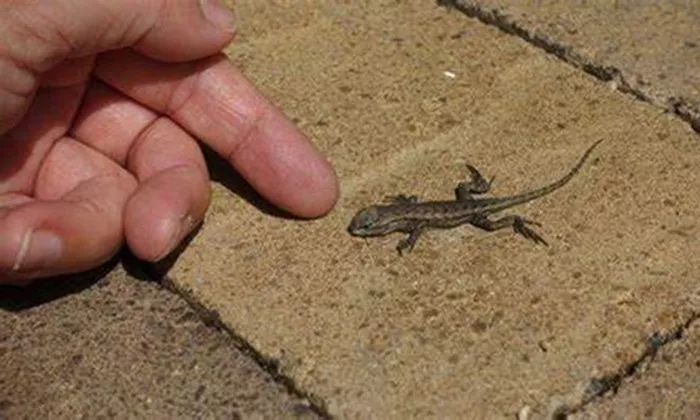
Lizards are fascinating creatures that many people love to keep as pets or observe in the wild. However, if you’ve ever tried to interact with a lizard, you know they are naturally shy and often retreat into hiding when they feel threatened. But what if you want to bring a lizard out of hiding for a closer look or to check on its well-being? The good news is that there are effective ways to lure a lizard out of its hiding spot, whether it’s in your home, your garden, or in a terrarium. In this article, we’ll explore various strategies to get your lizard to emerge from its safe zone while keeping it comfortable and stress-free.
Understanding Why Lizards Hide
Before diving into the methods for luring a lizard out, it’s important to understand why they hide in the first place. Lizards are naturally wary of predators, and their instinct is to seek refuge when they feel vulnerable. In their natural habitat, hiding provides them protection from potential threats. In a controlled environment, such as a terrarium, a lizard may hide due to stress, changes in its environment, or feeling unsafe. Understanding these underlying factors will help you approach the situation more effectively.
Just like how a cat may retreat to a dark corner when it feels threatened, a lizard hides because it believes it’s safer in that spot. Therefore, it’s important to ensure that the lizard’s environment is comfortable and safe before attempting to lure it out.
1. Make the Environment Inviting
Lizards are creatures of habit, and they are most likely to venture out if they feel comfortable and at ease. One of the first things to check is the environment. If the space is too noisy, too bright, or too cold, your lizard may be hesitant to leave its hiding spot.
Temperature: Lizards are cold-blooded, meaning they rely on external heat sources to regulate their body temperature. If the tank or the environment is too cold, the lizard may not feel like coming out. Place a heat lamp or an under-tank heating pad to make the environment more inviting. Think of it as giving the lizard a “sunbathing” spot – something that makes them feel comfortable and safe.
Humidity: Different species of lizards have different humidity requirements. For example, geckos prefer a humid environment, while desert lizards thrive in dry conditions. Ensure that the humidity levels are suitable for your pet. A simple way to check is by observing the lizard’s behavior – if it’s hiding more than usual, the humidity might need adjustment.
Lighting: Just like humans need sunlight to feel energized, lizards also rely on UVB lighting to stay healthy. If your lizard hasn’t been exposed to enough UVB light (which acts like “artificial sunlight”), it may not feel motivated to come out. Providing proper lighting will not only encourage your lizard to venture out but also keep it healthy.
Tip: If you’re using a UVB lamp, think of it like providing your lizard with its very own sunshine. The lamp helps it synthesize vitamin D3, which is essential for calcium absorption. Without proper UVB lighting, your pet might suffer from MBD (metabolic bone disease), a common reptile disease caused by calcium deficiency.
2. Create a Low-Stress Environment
Lizards, like most reptiles, can be easily stressed. Changes in their environment, loud noises, or unfamiliar scents can cause them to hide. If you want to lure your lizard out, try to minimize these stress factors:
Quiet Surroundings: Lizards are sensitive to sound. If there’s a lot of noise around, such as children playing, a TV blaring, or loud footsteps, your lizard might prefer staying hidden. To lure your pet out, create a calm, quiet environment where it feels safe.
Minimal Handling: If you’re trying to interact with your lizard, avoid sudden movements or quick attempts to handle it. Instead, observe from a distance, giving it time to get used to your presence. Try to be patient and wait for the lizard to feel comfortable enough to approach you.
Familiar Scents: Lizards have a keen sense of smell. If the area smells unfamiliar or stressful, it might keep the lizard hidden. Avoid introducing harsh cleaning chemicals near its hideout, and consider using reptile-friendly scents or sprays that mimic the natural environment.
3. Offer Food to Tempt the Lizard Out
Food can be a great motivator for getting your lizard to come out of hiding. Lizards are opportunistic feeders, and their instinct to hunt can override their fear in some cases. Offering them a tasty treat can encourage them to emerge from their hideout.
Live Prey: If your lizard eats live food (such as crickets, mealworms, or roaches), placing some of its favorite live prey near its hideout can entice it out. Lizards like to hunt, and the sight of moving food will trigger their predatory instincts. Make sure the food is small enough for the lizard to catch and swallow easily.
Cut Vegetables or Fruits: If your lizard is herbivorous, offering fresh vegetables or fruits like leafy greens, carrots, or berries can attract them. Think of it as an invitation to a buffet – a tasty spread can persuade your lizard to emerge for a bite.
Tip: For the best results, place the food just outside the lizard’s hiding spot. Give it time to notice and investigate. Be patient, as it might take a little while for the lizard to feel comfortable enough to approach the food.
4. Use Natural Light to Encourage Activity
Lizards are diurnal animals, meaning they are most active during the day. If your pet lizard is hiding and you want it to come out, try using natural sunlight. Lizards thrive in sunlight, and it helps regulate their circadian rhythms.
Place the terrarium in a room that gets a good amount of natural light (but not too hot). This can help encourage the lizard to feel active and come out of hiding. If your lizard is used to natural sunlight, it will recognize the cues and may be more inclined to explore when exposed to it.
5. Be Patient and Respectful
The most important factor when trying to lure a lizard out of hiding is patience. Lizards, like any animal, need time to feel comfortable in their environment. Do not force the lizard out of hiding, as this could cause undue stress or harm.
Instead, try the strategies mentioned above over a period of time. It’s important to remember that lizards, especially those that have been in hiding for a while, may take longer to come out. Trust the process, and keep your interactions calm and non-intrusive.
Tip: If you’re caring for a pet lizard and it seems to be hiding more often than usual, make sure that its environment is optimal. If you’re unsure, consult with a veterinarian to rule out any health concerns.
Conclusion
Luring a lizard out of hiding requires understanding its natural behavior and creating an environment that encourages it to feel safe. Patience, proper lighting, temperature, humidity, and food can all contribute to making your lizard feel comfortable enough to come out of its hiding spot. By providing a stress-free and inviting space, you not only help your lizard emerge but also ensure it stays healthy and happy.
Related topics: