
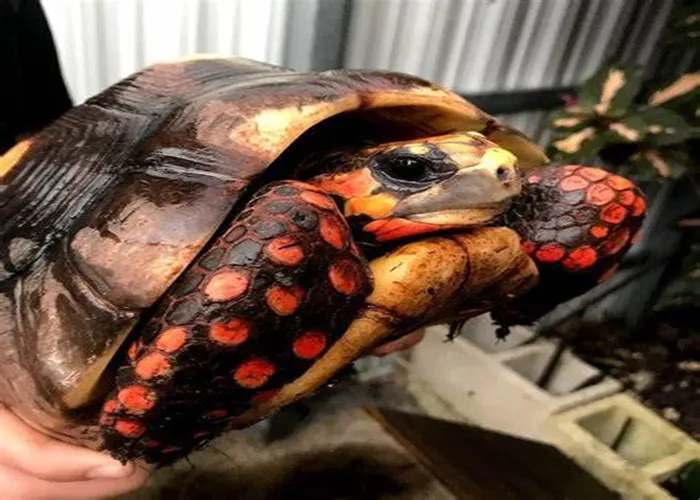
Redfoot tortoises (Chelonoidis carbonarius) are fascinating reptiles that are often kept as exotic pets. They originate from South America, particularly from areas like the Amazon rainforest, savannas, and dry forests. Known for their distinctive red or orange scales on their legs and heads, redfoot tortoises are not only visually striking but also have unique dietary needs.
Feeding a redfoot tortoise properly is crucial to its health and well-being. As an omnivorous species, redfoot tortoises eat a wide variety of plant and animal materials. However, not all vegetables or fruits are suitable for them. Pet owners often wonder if it is safe to offer specific vegetables, such as carrots. This article will answer the central question: Can redfoot tortoises eat carrots?
We will explore this topic in depth. We’ll examine the nutritional profile of carrots, how they impact tortoise health, and whether they should be a regular part of the redfoot tortoise’s diet. The article will also explore proper feeding practices, potential risks, and signs of dietary imbalance.
Understanding the Natural Diet of the Redfoot Tortoise
Redfoot tortoises are native to environments where a diverse range of food sources is available. In the wild, they consume leaves, fruits, flowers, fungi, and small amounts of animal matter such as insects or carrion. Their natural diet is broad and seasonally variable.
The redfoot tortoise is classified as an omnivore. This means it requires both plant-based and animal-based nutrition. However, its plant intake dominates its diet. Around 70 to 80 percent of its intake consists of vegetables and fruits. The rest includes protein sources and supplements.
Their digestive systems are well-adapted to fibrous plant materials. However, this does not mean all vegetables are equally suitable. Some vegetables are too high in sugar, others in oxalates or phosphorus, which can interfere with calcium absorption. Understanding these subtleties is key to offering a healthy diet.
Carrots: Nutritional Content and Characteristics
Carrots are a popular root vegetable known for their sweet flavor and bright orange color. They are often included in human diets because they are rich in beta-carotene, fiber, vitamins, and minerals. But before deciding if carrots are suitable for redfoot tortoises, we need to understand their nutritional composition.
A standard raw carrot contains:
−Beta-carotene (Vitamin A precursor)
−Vitamin K1
−Potassium
−Fiber
−Natural sugars (sucrose, glucose)
Carrots are low in fat and relatively low in protein. They contain a moderate amount of carbohydrates and a high amount of vitamin A, especially in the form of beta-carotene. While this nutrient is beneficial in many ways, it can cause problems if consumed in excess.
Carrots also have a relatively low calcium-to-phosphorus ratio, which is an important consideration in tortoise diets. The ideal ratio for tortoises is approximately 2:1 in favor of calcium. When this balance is reversed or skewed, it can impair calcium absorption and lead to metabolic bone disease (MBD).
Can Redfoot Tortoises Eat Carrots?
Yes, redfoot tortoises can eat carrots, but only in moderation. Carrots are not toxic or harmful in small amounts. They can be part of a healthy diet when offered occasionally and in combination with other vegetables and fruits. However, carrots should not form a major portion of the tortoise’s regular meals.
There are several reasons why moderation is important:
High Sugar Content
Carrots contain more sugar than many leafy greens. This sugar is natural but can be problematic if consumed too often. Excess sugar can lead to digestive disturbances, weight gain, and even liver issues in reptiles.
Beta-Carotene Overload
While vitamin A is essential for skin health, vision, and immune function, an excessive intake can cause hypervitaminosis A. In redfoot tortoises, this can lead to skin peeling, shell deformities, and liver damage.
Imbalanced Calcium-to-Phosphorus Ratio
As noted earlier, carrots do not offer the optimal mineral ratio. Feeding too many low-calcium vegetables can reduce bone density and impair growth, especially in juveniles.
For these reasons, carrots should be considered a treat rather than a staple.
How to Safely Offer Carrots to a Redfoot Tortoise
If you choose to feed carrots to your redfoot tortoise, follow these guidelines:
Use Raw, Washed Carrots: Do not cook the carrots, as cooking reduces fiber content and breaks down beneficial nutrients. Always wash them thoroughly to remove pesticides and dirt.
Grate or Chop Finely: Tortoises can have trouble biting into large or hard chunks. Grating or finely chopping the carrot helps with digestion and prevents choking.
Mix with Leafy Greens: Combine carrots with calcium-rich leafy greens such as collard greens, dandelion greens, or mustard greens. This creates a balanced dish with a more favorable calcium-to-phosphorus ratio.
Limit Frequency: Offer carrots only once every one to two weeks. This prevents overconsumption and reduces the risk of imbalances.
Avoid Carrot Tops: While carrot greens (tops) are not toxic, they contain higher amounts of oxalates, which can interfere with calcium absorption. If used, they should be given very rarely and in small amounts.
Signs That Your Tortoise Is Eating Too Many Carrots
Redfoot tortoises are resilient, but diet-related issues can develop over time. Watch for signs that your tortoise may be consuming too many carrots or other inappropriate foods:
Soft or Misshapen Shell: This can indicate calcium deficiency due to improper mineral balance.
Dry, Peeling Skin: A potential sign of vitamin A overdose.
Lethargy or Lack of Appetite: Can be caused by digestive upset due to high sugar content.
Overweight or Obesity: Rare in wild tortoises but more common in captivity, especially with excessive treats.
If you observe any of these symptoms, it is best to consult a veterinarian with experience in exotic reptiles. Adjusting the diet may be necessary to restore health.
What Should a Redfoot Tortoise Eat Regularly?
To maintain optimal health, redfoot tortoises need a well-balanced diet that reflects their natural dietary patterns. Here is a general breakdown of what they should eat:
Leafy Greens (40-50%): This should form the bulk of their diet. Examples include collard greens, mustard greens, endive, and escarole. Avoid spinach and Swiss chard due to high oxalate content.
Vegetables (20-30%): Squash, bell peppers, zucchini, and occasional carrots fall into this category.
Fruits (10-20%): Mango, papaya, banana, strawberries, and melons can be offered sparingly. Redfoot tortoises have a sweet tooth but are prone to obesity and digestive problems if fruits are overfed.
Protein (5-10%): Insects, cooked eggs, or low-fat dog food can be provided once or twice a month. This mimics their consumption of animal matter in the wild.
Calcium and Vitamin Supplements: A calcium supplement should be dusted on food several times per week. A multivitamin can be given once per week.
Water should be available at all times, both for drinking and soaking. Proper hydration supports digestion, especially when fibrous foods are involved.
Risks of Improper Diet in Redfoot Tortoises
Feeding redfoot tortoises an unbalanced or unsuitable diet can lead to various health issues. These include:
Metabolic Bone Disease (MBD): Caused by low calcium intake or poor calcium-phosphorus ratios.
Pyramiding of the Shell: A condition where the shell grows unevenly due to poor diet and lack of humidity.
Gastrointestinal Problems: High-sugar foods can disrupt gut flora, leading to diarrhea or constipation.
Vitamin Toxicity or Deficiency: Either condition can damage internal organs or compromise immune function.
The goal should be to mimic the natural diet of the redfoot tortoise as closely as possible. Occasional treats like carrots are acceptable but should never be central to the diet.
Feeding Juvenile vs. Adult Redfoot Tortoises
Age plays a role in dietary needs. Juvenile redfoot tortoises are growing rapidly and need more calcium and protein. Their diet should be more focused on nutrient-rich greens and vegetables, with protein given slightly more frequently. Carrots can be introduced sparingly after the age of six months, but not before. For adults, dietary variety becomes more important to prevent boredom and maintain optimal health.
Frequently Asked Questions
Q: Can redfoot tortoises eat cooked carrots?
A: It is better to feed raw carrots. Cooking reduces fiber and some nutrients. Tortoises benefit more from the natural, unprocessed form.
Q: Are carrot tops safe for redfoot tortoises?
A: Carrot greens are not toxic but should be used sparingly due to oxalates. Prioritize calcium-rich greens instead.
Q: How often can I feed my tortoise carrots?
A: Once every one or two weeks in small quantities is sufficient.
Q: Can baby redfoot tortoises eat carrots?
A: It is best to wait until they are at least six months old. Even then, use caution and limit portions.
Conclusion: Are Carrots Good for Redfoot Tortoises?
Redfoot tortoises can eat carrots, but only occasionally and in moderation. Carrots offer some nutritional benefits, such as vitamin A and fiber, but they also come with risks when fed too frequently. These include sugar overload, mineral imbalance, and potential vitamin toxicity.
The best diet for a redfoot tortoise is one that mirrors its natural eating habits—rich in leafy greens, varied in vegetables, with occasional fruits and minimal animal protein. Carrots can be part of this variety, but they must not dominate the diet.
Proper nutrition, hydration, and habitat care are essential for keeping your redfoot tortoise healthy and happy. By understanding what to feed and what to avoid, you ensure a long, active, and vibrant life for your shelled companion.
Related topics: