
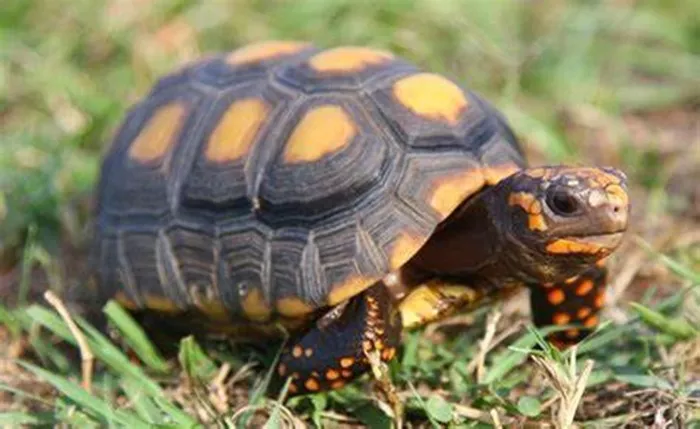
Red foot tortoises (Chelonoidis carbonarius) are one of the most popular tortoise species kept as pets. Their attractive appearance, moderate size, and gentle nature make them appealing to reptile enthusiasts. Native to South America, these tortoises are found in a variety of habitats, including grasslands, tropical forests, and savannas. Over the years, red foot tortoises have developed a reputation for being more sociable and interactive than many other tortoise species. But are they truly friendly?
In this article, we will explore the temperament and social behavior of red foot tortoises in depth. We will examine what “friendly” means in the context of reptiles, and how red foot tortoises relate to humans and other animals. We will also discuss how environment, handling, and individual personality play a role in shaping their behavior. This guide will help you understand whether a red foot tortoise is the right companion for you, and how to build a healthy relationship with one.
What Does It Mean for a Tortoise to Be Friendly?
When people ask whether a tortoise is friendly, they are usually thinking of mammals. Dogs wag their tails. Cats purr. Parrots mimic speech. These are obvious signs of friendliness in pets. But tortoises are reptiles. They behave very differently. They do not show affection in the same ways.
Friendliness in tortoises means tolerance, curiosity, and a calm reaction to human presence. A friendly tortoise may approach you when it sees you. It may accept being touched or hand-fed. It might follow you slowly or stay near you without fear. But it will not seek out cuddles. It will not show affection like a dog or cat would. Understanding reptile behavior is important to avoid misunderstandings.
For red foot tortoises, friendliness is often seen in their lack of fear, their alert responses to people, and their calm acceptance of gentle handling. Let us now explore this behavior more closely.
Natural Behavior of Red Foot Tortoises
Red foot tortoises are solitary in the wild. They do not form groups or social structures like mammals. However, they are not aggressive by nature. They tolerate others in shared spaces, especially during feeding or basking. This ability to coexist peacefully has carried over into captivity.
These tortoises are curious by nature. They use their strong sense of smell to explore their surroundings. They may follow scents, investigate new items, and even respond to voices or movement. This curiosity is often mistaken for affection. But it is simply part of their natural instincts.
In the wild, red foot tortoises are active during the day. They forage for fruits, fungi, leaves, and small invertebrates. They spend time basking in sunlight or seeking shade under plants. They are not fast-moving but are persistent and deliberate in their actions. These slow, gentle movements contribute to their reputation as calm and relaxed animals.
Are Red Foot Tortoises Friendly to Humans?
The answer is yes—within the limits of reptilian behavior. Red foot tortoises are known to be one of the more tolerant and interactive species of tortoise. They can recognize their keepers, especially if food is involved. Over time, they may learn routines and respond to your presence.
Many owners report that their red foot tortoise will come toward them when they enter the room. Some even wait near the glass or edge of the enclosure. These are not signs of love or devotion, but they do indicate comfort and curiosity. The tortoise sees you as part of its environment and associates you with positive experiences.
Regular, gentle handling helps reinforce this comfort. If you handle a red foot tortoise carefully and consistently, it can grow more relaxed around you. It may not enjoy being lifted or turned, but it will tolerate it. The more predictable your actions, the more trust the tortoise develops.
However, it is important to go at the tortoise’s pace. If it hides or hisses when approached, give it time. Never force interaction. Let it observe you from a distance and come closer when it feels safe.
Individual Personality Differences
Just like people, red foot tortoises have individual personalities. Some are more curious, while others are more shy. Some like exploring and interaction. Others prefer solitude and stillness. Age, background, and early experiences also influence behavior.
A captive-bred tortoise that has been handled gently since hatching will likely be more open to human contact. A wild-caught or poorly treated tortoise may take much longer to feel secure. It may remain defensive or withdrawn for months or even years.
Juveniles are often more active and adventurous. As they age, tortoises may become more set in their routines. However, even older red foot tortoises can be receptive to care and company if handled respectfully.
If you want a red foot tortoise that is friendly, choose a captive-bred individual from a reputable breeder. Spend time observing its behavior before purchase. Look for a tortoise that does not hide constantly and reacts calmly to gentle approach.
How to Build a Bond with Your Red Foot Tortoise
Creating a strong bond with your red foot tortoise requires patience, consistency, and care. You must respect its pace and needs. Here are several steps to help build a positive relationship:
Start with Observation
Spend time near the tortoise’s enclosure. Let it watch you and learn your presence. Do not reach in or handle it immediately. Let it become used to your voice and movement.
Use Food as a Tool
Red foot tortoises love fruit and leafy greens. Use these treats during feeding to build trust. Offer food by hand, holding it close to the tortoise’s head. At first, it may hesitate. Over time, it may start to approach you eagerly.
Handle Gently and Slowly
When handling is necessary, do so gently. Support the body well. Avoid quick or jerky movements. Speak in a calm voice. Return the tortoise to its enclosure smoothly.
Maintain a Consistent Routine
Tortoises feel more secure when they can predict their environment. Feed them at the same time each day. Clean and maintain their enclosure regularly. Consistency reduces stress and helps the tortoise feel safe.
Create a Stimulating Environment
A bored tortoise is often a nervous or inactive one. Provide varied terrain, hiding spots, and occasional new objects. Enrichment encourages natural behaviors and promotes confidence.
With time and care, your red foot tortoise may show clear signs of comfort and recognition. It might move toward you, accept food from your hand, or explore more when you are near.
Do Red Foot Tortoises Like to Be Touched?
Tortoises have nerve endings in their shells and skin. They can feel pressure, temperature, and touch. However, this does not mean they enjoy being petted the way mammals do.
Some red foot tortoises tolerate gentle touching on the head or shell. Others may pull away. This is not a sign of hostility. It is a normal reaction. Always approach from the front where the tortoise can see you. Avoid touching the legs or underside, which are more sensitive.
If a tortoise relaxes under your touch, stays still, or closes its eyes, it may be enjoying the contact. If it stiffens, hisses, or pulls into its shell, it is uncomfortable. Always watch for signs of stress and adjust your behavior accordingly.
How Red Foot Tortoises Interact with Other Tortoises
Red foot tortoises can be kept in pairs or small groups under certain conditions. They are not naturally social, but they can tolerate companions if there is enough space and resources.
Introducing two tortoises should be done slowly. Watch for signs of bullying, such as one tortoise climbing on or chasing the other. Males may become territorial, especially during mating season. If aggression appears, they should be separated.
Female tortoises often do better together than males. A mixed group can also work, but the enclosure must be large and well-designed. Each tortoise should have its own hiding space, basking area, and food dish.
Keeping multiple tortoises does not make them friendlier. But a calm group can reflect good temperament and create a peaceful atmosphere.
Common Mistakes That Affect Tortoise Behavior
Many new keepers make mistakes that affect how a red foot tortoise behaves. Some of these mistakes can lead to fear, withdrawal, or even aggression. Here are common errors to avoid:
Handling too much, too soon – Let the tortoise settle in before regular handling.
Sudden movements or loud noises – These can startle or stress the animal.
Improper habitat setup – A habitat that is too small, cold, or barren creates stress.
Feeding inconsistently – Irregular feeding schedules make the tortoise feel insecure.
Neglecting enrichment – A boring enclosure limits mental stimulation.
By avoiding these mistakes, you help create an environment where the tortoise can develop a more relaxed and open personality.
Can a Red Foot Tortoise Be a Good Pet for Children?
Red foot tortoises are not toys, but they can be good pets for families with older children. They require a calm, respectful approach. Young children must be supervised. A red foot tortoise can be frightened by sudden movements or loud voices.
However, when taught how to handle and interact properly, children can learn responsibility and patience from caring for a tortoise. Feeding, habitat maintenance, and observation are excellent educational activities.
Always ensure that adults take primary responsibility for care. Tortoises have complex needs and long lifespans, often living 40 to 50 years or more.
Signs Your Red Foot Tortoise Trusts You
It may be difficult to measure affection in a tortoise, but certain behaviors show trust and comfort. Here are a few signs:
−It approaches you willingly.
−It eats from your hand.
−It does not retreat when you enter the room.
−It explores when you are near.
−It stays visible and active instead of hiding.
These behaviors show that the tortoise sees you as part of a safe environment. While not emotional in the human sense, these are clear signs of a positive relationship.
Conclusion
Red foot tortoises are among the friendliest tortoise species in captivity. While they do not express affection like mammals, they can form strong, trusting bonds with their keepers. They are curious, calm, and tolerant of human interaction. With proper care, consistency, and patience, a red foot tortoise can become a deeply rewarding companion.
They are suitable for both beginner and experienced reptile keepers, especially those who are willing to invest time in learning their behaviors. Red foot tortoises may not cuddle, but they will teach you to observe, respect, and appreciate nature in a slow, steady way.
In answering the question “Are red foot tortoises friendly?” the truth is clear. Within their own quiet, thoughtful world, they absolutely can be. It just takes time, understanding, and a bit of lettuce.
Related topics: