
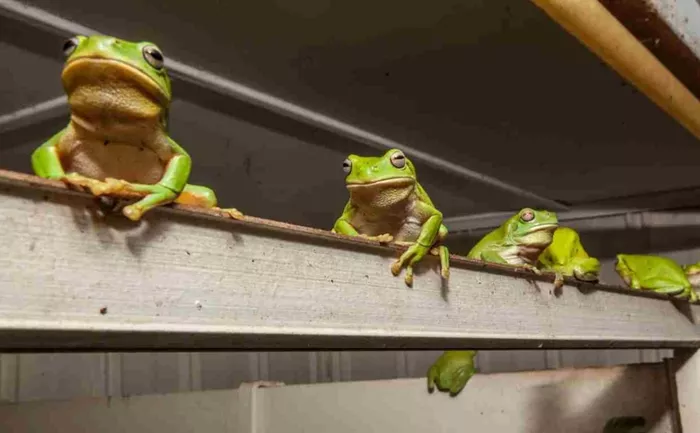
The green tree frog, known for its vibrant green color and small size, is a popular amphibian to keep as a pet. These frogs are easy to care for and make wonderful additions to any home. However, it’s important to know how to provide the right environment and care for them. In this article, we will guide you through the steps to keep a green tree frog happy and healthy in your home.
What You Need to Know About Green Tree Frogs
Green tree frogs are native to the southeastern United States and are known for their ability to climb and cling to various surfaces. They are nocturnal creatures, which means they are most active during the night. These frogs are also known for their distinctive ribbit sound, which is often heard during the mating season.
Setting Up the Perfect Enclosure
To keep a green tree frog, you need to create an enclosure that mimics their natural habitat. This will keep your frog comfortable and healthy. Here’s what you need to consider when setting up the enclosure:
Size of the Enclosure
For one green tree frog, a 10-gallon tank is sufficient. However, if you plan to keep more than one frog, consider a larger tank. The tank should be tall to accommodate their climbing nature.
Substrate
The substrate, or bedding, is an important part of your frog’s habitat. You can use coconut husk, sphagnum moss, or paper towels. Avoid sand or gravel, as they can cause injury to your frog if ingested.
Humidity and Temperature
Green tree frogs need high humidity levels of 50-80%. To maintain humidity, mist the enclosure daily. You can also use a humidifier. As for temperature, keep the tank between 70°F and 80°F (21°C to 27°C). During the night, it can drop slightly, but it should never go below 60°F (15°C).
Lighting
Green tree frogs require UVB lighting to help them synthesize vitamin D3. A UVB light bulb should be placed above the enclosure and should be on for 10-12 hours a day. This helps maintain their health and promotes natural behaviors.
Hiding Spots
Providing hiding spots is crucial for your frog’s well-being. You can place rocks, plants, or commercially available frog hides in the tank. This gives your frog a place to rest during the day when they are not active.
Feeding Your Green Tree Frog
Green tree frogs are insectivores, meaning their diet consists mostly of insects. You need to provide a variety of food to keep your frog healthy.
Types of Food
Common foods for green tree frogs include crickets, mealworms, and small fruit flies. You can also offer waxworms and roaches. Make sure the insects are small enough to be eaten by your frog, as frogs typically catch their prey with their sticky tongues.
Supplementing Their Diet
To ensure your frog receives the necessary nutrients, dust the insects with calcium and vitamin D3 supplements. This helps prevent bone issues and supports overall health. You can dust food with supplements about three times a week.
Feeding Schedule
Young frogs should be fed every day, while adults can be fed every other day. Ensure that there is always fresh water available in a shallow dish for your frog to drink from or soak in.
Maintaining Your Green Tree Frog’s Habitat
Keeping your frog’s environment clean is essential for its health. Regular maintenance of the tank will help prevent infections and other health issues.
Cleaning the Tank
Remove uneaten food daily and spot clean the tank as needed. Once a week, replace the substrate and clean the glass with a reptile-safe cleaner. Make sure to wash your hands before and after handling the tank to avoid transferring harmful chemicals.
Water Changes
Since green tree frogs are aquatic, it’s important to change the water regularly. If your frog uses a water dish for soaking, ensure the water is clean and fresh at all times. Use dechlorinated water to avoid harming your frog.
Handling Your Green Tree Frog
While green tree frogs are generally not the best pets for frequent handling, you can interact with them occasionally. Frogs have sensitive skin, so it’s important to handle them gently and only when necessary.
How to Handle a Green Tree Frog
When handling your frog, make sure your hands are clean and wet. Gently scoop the frog up by supporting its body. Avoid holding them for long periods and always return them to their tank promptly.
Why Handling Should Be Limited
Frogs absorb moisture and chemicals through their skin, so excessive handling can cause stress or harm. It’s best to observe your frog from a distance and only interact with them when required.
Common Health Issues and How to Prevent Them
Green tree frogs are relatively healthy, but they can face health issues if their environment is not maintained properly.
Skin Issues
One of the most common health problems in frogs is skin shedding problems. Ensure the humidity in the tank is adequate to help with proper shedding. If you notice abnormal shedding, increase the humidity and provide a shedding box.
Respiratory Infections
Green tree frogs can get respiratory infections if the tank is too cold or the humidity is too low. Keep the temperature and humidity levels consistent to avoid this issue.
Parasites
If your frog shows signs of lethargy or abnormal behavior, it may have internal parasites. In this case, consult a vet who specializes in amphibians for proper diagnosis and treatment.
Conclusion
In conclusion, keeping a green tree frog as a pet is a rewarding experience, but it requires attention to detail. By providing the right environment, diet, and care, you can ensure that your green tree frog will thrive in your home. Always monitor their health and cleanliness, and remember to handle them gently. With these tips, you can enjoy the beauty and charm of these fascinating creatures in your own home.
Related topics: