
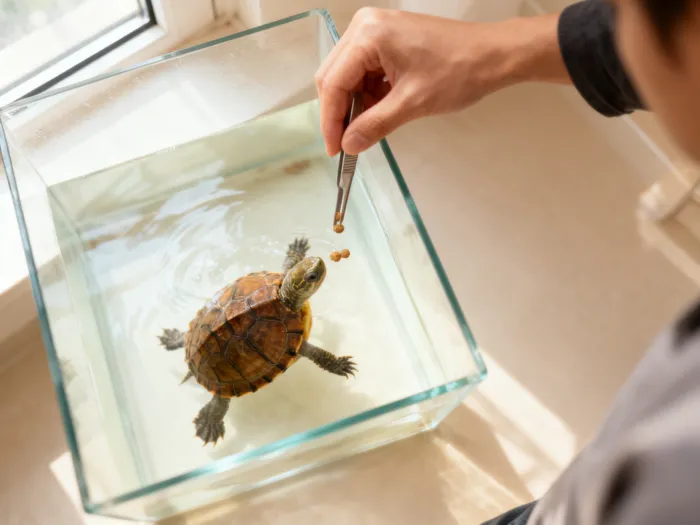
Have you ever wondered if your pet tortoise recognizes you or even cares when you walk by? Many reptile enthusiasts, especially those who adore tortoises, ask themselves this question. It’s a bit of a mystery—do these slow-moving reptiles form bonds with their human caretakers, or are they just indifferent roommates? Let’s explore what science and real-life keepers say about the emotional lives of tortoises and discover if these ancient reptiles can truly get attached to their owners.
Understanding Reptile Behavior: Not Like Dogs or Cats
When we think of pets bonding with humans, dogs and cats often come to mind. They wag their tails, purr, or even jump into our laps. But tortoises, as reptiles, are very different. Their brains and behaviors are not wired for social interaction in the same way as mammals. Imagine comparing a computer’s calculator function (the tortoise) to a full-blown smartphone app (the dog or cat)—both work, but one is far simpler!
Tortoises are solitary by nature. In the wild, they spend most of their lives alone, only meeting others during the breeding season. This means their instincts don’t push them toward forming close bonds. But does that mean they can’t recognize or respond to people at all?
Can Tortoises Recognize Their Owners?
Surprisingly, yes! Research and observations from reptile experts suggest that many tortoises can tell their owners apart from strangers. According to Dr. Anna Wilkinson, a well-known reptile cognition researcher, tortoises are capable of visual learning and can distinguish between different people based on appearance and movement (Wilkinson et al., 2010).
Think about it like recognizing your favorite coffee mug among many similar ones—tortoises use simple cues like your size, voice, or the way you move to identify you. This ability doesn’t mean they love you like a puppy might, but it shows a level of awareness that’s pretty awesome for such ancient creatures.
Signs Your Tortoise May Be Attached
How do you know if your tortoise is attached to you? Here are some behaviors many owners and zoologists have noticed:
- Coming out of hiding when you approach: Some tortoises will leave their burrow or hiding spot when they see their owner nearby.
- Following you around: While not as speedy as a dog, certain species may slowly walk towards their owner.
- Responding to touch: Some tortoises enjoy gentle neck rubs or shell scratches and may stretch out to get more attention.
- Feeding excitement: Tortoises often associate their owners with food and may become noticeably active when you’re near.
One keeper shared an anecdote: “My sulcata tortoise comes running—well, as fast as he can—whenever he hears my voice. He even bumps his shell against my foot until I give him his favorite treat!”
The Science Behind Attachment in Reptiles
Attachment is a strong word usually reserved for animals that show affection or separation anxiety. For reptiles like the tortoise, attachment looks different. Instead of cuddles or excitement, it’s about learned behavior and routine.
Tortoises have excellent memories for routines and locations. If you feed your tortoise at the same time each day or interact with it gently and consistently, it may begin to associate you with positive experiences. Over time, this creates a kind of “bond”—not emotional in the mammalian sense but still meaningful.
A good analogy is your favorite vending machine at work: You don’t love it, but you recognize it gives you what you want! Your tortoise likely feels something similar toward you.
What Makes Tortoise Attachment Different?
Unlike reptiles such as iguanas that sometimes display more dramatic behavioral changes around humans, most tortoises remain calm and reserved. However, some species—like red-footed tortoises—can be quite interactive and seem more curious about their environment and caregivers.
It’s important not to confuse a lack of excitement with a lack of recognition. Many keepers find that after years together, their tortoise becomes more relaxed around them than strangers. This slow-building trust is its own special kind of attachment.
How to Build Trust With Your Pet Tortoise
If you want your tortoise to recognize and feel comfortable with you:
- Be patient: Reptiles move—and think—slowly.
- Stay consistent: Feed at regular times; use the same tone of voice.
- Handle gently: Avoid sudden movements; let your tortoise come to you.
- Offer treats: Many species love fresh vegetables or fruits as occasional rewards.
Over time, these small actions can help build trust between you and your shelled friend. Just remember: don’t expect cuddles!
Real-Life Experiences: Stories From Tortoise Owners
Many long-term reptile keepers report touching moments with their pet tortoises. For example:
“After five years together, my Russian tortoise will climb onto my hand every time I clean her enclosure,” says Lisa M., a reptile enthusiast from Texas.
“My Hermann’s tortoise ignores everyone else but perks up when I come into the room,” shares another keeper from California.
These stories show that while attachment may look different in reptiles than in mammals, meaningful connections are possible—even if they’re subtle.
Conclusion
Tortoises may not form attachments in the way dogs or cats do, but they are far from indifferent housemates. With patience and consistent care, many species can learn to recognize their owners and respond positively to them. The bond between humans and reptiles might be understated, but for those who appreciate the quiet company of these ancient creatures, it’s incredibly rewarding.
Understanding how reptiles like the tortoise interact with people helps us care for them better and deepens our appreciation for these unique animals. So next time your pet slowly ambles over at feeding time—know that in its own special way, your tortoise just might be happy to see you.
Related topics: