
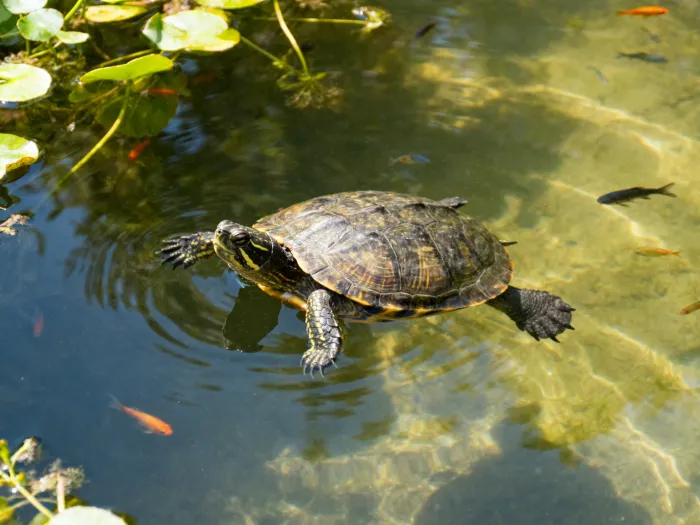
Have you ever watched a tortoise by the water and wondered, “Can this reptile swim like its turtle cousins?” This question has fascinated reptile enthusiasts for generations. You might imagine tortoises slowly paddling along, just as turtles do. But is that really the case? Today, let’s dive into the world of tortoises, explore their swimming abilities, and unravel what sets them apart from other reptiles. Get ready to discover some surprising facts—don’t miss it!
Tortoises vs. Turtles: What’s the Difference?
First things first: tortoises and turtles are both reptiles, but they belong to distinct groups within the Chelonian family. While turtles are often seen gliding through lakes and rivers, tortoises are land specialists. Think of a turtle as a sleek sports car designed for water—streamlined and fast—while a tortoise is more like a sturdy SUV built for rough terrain. Their shells tell the story: turtles have flatter, more hydrodynamic shells; tortoises boast domed, rugged armor suited for land.
Body Structure: Built for Land, Not Water
A tortoise’s anatomy is the key to understanding its swimming ability. Their heavy, dome-shaped shells act like protective shields against predators but also make floating difficult. Tortoise legs are thick and stumpy—imagine sturdy table legs—perfect for walking on soil but not for paddling through water. Unlike aquatic turtles with webbed feet (think of duck feet designed for swimming), tortoises have elephant-like feet that help them dig and move across dry ground.
Can Tortoises Swim at All? The Short Answer
In short: most tortoises cannot swim. If you place a tortoise in deep water, it will struggle and may even sink due to its weight and lack of buoyancy. Some species can float briefly or paddle awkwardly to reach safety if they accidentally fall into shallow water, but swimming is not their forte. According to herpetologist Dr. Amanda Blackwell (2021), “Tortoises can drown easily if left in water—they’re not adapted for aquatic life.” Awesome as they are on land, water poses real risks for these reptiles.
Why Do People Get Confused About Tortoise Swimming?
Many people confuse turtles and tortoises because they look similar and share common ancestors. Sometimes pet owners see their tortoise splashing in a shallow dish and think it’s swimming. But what’s really happening is more like wading—a bit like you dipping your toes at the edge of a pool rather than diving in! Real-life anecdote: One pet keeper shared how her Sulcata tortoise “happily soaked in shallow water but panicked when it got deeper.” This highlights the difference between soaking (which most tortoises enjoy) and true swimming.
Species Spotlight: Sulcata, Russian, and Red-Footed Tortoises
Let’s look at three popular pet species:
- Sulcata Tortoise: Known for its massive size and dry habitat needs; Sulcatas are land lovers through and through.
- Russian Tortoise: Small and hardy, these reptiles can tolerate brief encounters with shallow water but cannot swim.
- Red-Footed Tortoise: Native to South America’s forests; they enjoy humidity but are not swimmers either.
In all cases, these tortoises are happiest on firm ground or soaking gently in shallow bowls. “Never force your tortoise to swim,” warns reptile expert John Egan (2022).
Safety First: Caring For Your Pet Tortoise Around Water
If you’re keeping a pet tortoise, here’s what you should know:
- Always provide fresh drinking water in a shallow dish.
- Avoid deep ponds or pools where your tortoise could fall in.
- Watch closely during bathing—just enough water to cover their legs is best.
- If your tortoise does fall into deep water, rescue it immediately.
These tips keep your beloved reptile safe while allowing it to enjoy gentle soaking without risk.
Why Swimming Isn’t Essential For Tortoise Survival
Tortoises evolved in dry environments where swimming wasn’t necessary. Their ancestors developed strong legs for walking long distances in search of food rather than paddling through streams. In fact, being able to burrow or climb over rocks helps them escape predators better than swimming ever could! The keyword here is adaptation—tortoises are perfectly adapted to life on land.
Fun Fact: Ancient Fossils Tell Us More!
Did you know that fossil evidence shows early chelonians split into aquatic turtles and terrestrial tortoises millions of years ago? It’s like two branches of one family tree—one heading for lakes, the other staying on solid ground (Smith et al., 2018).
Conclusion
In summary, while turtles are true swimmers designed by nature for life in the water, tortoises remain firmly rooted on land with bodies built for stability rather than speed or buoyancy. If you ever wondered whether your pet tortoise could swim like a turtle—the answer is no. But isn’t it awesome how nature creates such diversity among reptiles?
Understanding these differences helps us care for our reptilian friends responsibly and appreciate their unique qualities even more. Next time you see a tortoise basking in the sun or gently soaking in its dish, remember: this is exactly where it belongs!
Related topics: