
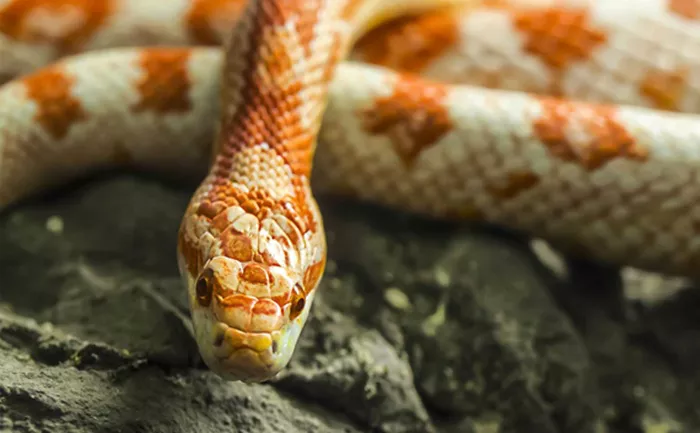
If you’re a corn snake owner, one of the most concerning issues you may face is your snake refusing to eat. It’s puzzling, frustrating, and can leave you wondering if something is wrong with your pet. But don’t worry—this is more common than you might think. Understanding why your corn snake isn’t eating can help you get to the root cause and restore a happy, healthy feeding routine for your reptile friend. Let’s dive into the potential reasons and solutions for this issue.
Introduction: The Mystery of the Missing Meal
Imagine preparing your snake’s meal, only to have it sit there, staring back at you, uninterested. You’ve done everything right, so why won’t your corn snake eat? Understanding the behavior of corn snakes and their feeding habits can help you figure out what might be going on.
The Corn Snake Diet
Corn snakes are known for being relatively easy to care for, and they typically eat mice or small rats in captivity. In the wild, they feed on rodents, birds, and amphibians, and their feeding behavior is influenced by factors like temperature, humidity, and even the time of year.
See Also: What Should You Feed a 2-Year-Old Corn Snake?
Understanding Snake Hunger
A snake’s feeding habits are different from other pets, like dogs or cats. Snakes often don’t eat daily; instead, they eat based on their metabolic needs. They’re opportunistic feeders, meaning they eat when they feel the urge, and they can go without food for extended periods without significant harm. But if your corn snake refuses to eat for several days or weeks, it may be signaling an issue you need to address.
Environmental Factors: Temperature and Humidity
Just like us, snakes need the right environment to thrive. If your corn snake’s habitat is not correctly set up, it may stop eating. The most common environmental culprits are temperature and humidity.
The Importance of Proper Temperature
Corn snakes are ectothermic, meaning they rely on external heat sources to regulate their body temperature. If their enclosure is too cold, their metabolism slows down, and they might not feel hungry. This is why it’s crucial to maintain a proper temperature gradient in the tank—somewhere between 75°F and 85°F (24°C – 29°C) on the warm side, with a cooler side of around 70°F (21°C). You can use a heat mat or heat lamp to achieve this.
Humidity Levels Matter
Humidity is another crucial factor. Corn snakes need a humidity level between 40% and 60% to stay comfortable. If the humidity is too low, it could cause stress or even lead to skin shedding problems, which can affect their appetite. To maintain the right humidity, you can lightly mist the tank or add a humidifier.
Quick Fix Tip:
Check your tank’s temperature with a reliable thermometer and adjust it accordingly. For humidity, consider using a hygrometer to monitor moisture levels. If the humidity is low, try adding a water dish or misting the tank lightly once or twice a day.
Shedding: A Natural Process That Affects Appetite
Shedding is an essential part of a corn snake’s life cycle. When your snake is getting ready to shed its skin, it may become less interested in food. This process can take anywhere from 7 to 14 days, and during this time, snakes typically fast. So, if your corn snake is not eating, it could simply be preparing to shed.
Signs of Shedding
During shedding, you’ll notice some behavioral changes in your corn snake. They may become more reclusive, or their skin may appear dull or cloudy. You might also see their eyes become blue or milky, which is a sign that they’re about to shed.
Quick Fix Tip:
Don’t worry if your snake skips a meal during shedding. Offer food again once the shedding process is complete, and you should see your snake return to its regular feeding habits. To help your snake shed more easily, make sure the humidity in the tank is on the higher side (around 60-70%).
Stress: The Silent Appetite Killer
Stress is a sneaky factor that can significantly affect a corn snake’s appetite. Stressors such as excessive handling, noisy environments, or improper tank conditions can make your snake feel unsafe, leading them to refuse food.
Identifying Stress Triggers
Just like humans, snakes react to stress. Some common stressors for corn snakes include:
Too frequent handling – If you’re constantly picking up your snake, it may feel stressed and stop eating.
Loud noises – Snakes have sensitive hearing and may not feel comfortable in a loud, busy room.
Tank placement – Ensure that your snake’s tank is in a quiet, secure place, away from disturbances.
Quick Fix Tip:
Try to reduce the amount of handling your snake gets, and make sure its habitat is in a quiet, calm spot. Give your snake some space to adjust, and ensure the tank provides ample hiding spots so it can retreat when feeling stressed.
Health Issues: The Hidden Reason for Loss of Appetite
Sometimes, your corn snake may refuse food due to underlying health problems. While corn snakes are generally hardy creatures, they’re not immune to health issues. Common illnesses that can affect appetite include respiratory infections, internal parasites, or mouth rot.
Signs of Health Problems
It’s essential to watch for signs of illness in your corn snake, which might include:
Wheezing or labored breathing – A sign of respiratory infections.
Swollen body or lack of movement – Indicating possible internal parasites.
Discharge around the mouth or eyes – This can be a sign of mouth rot.
Quick Fix Tip:
If you notice any of these symptoms, it’s best to consult a veterinarian who specializes in reptiles. Timely medical attention can help address the issue before it becomes severe.
Food Preferences: Is Your Snake Being Picky?
Believe it or not, corn snakes can be a little picky about their food. Some snakes simply have preferences for certain types of prey. If your snake refuses to eat, it could be that it’s not interested in the type of food you’re offering.
Live vs. Frozen Prey
Corn snakes can be fed either live or frozen-thawed prey. Some snakes prefer live food, while others are fine with frozen-thawed. It’s essential to observe your snake’s behavior and see if it shows a preference for one over the other.
Quick Fix Tip:
Try offering different types of prey, such as a different size or species of rodent, to see if your snake has a preference. If your corn snake is consistently refusing food, it might be worth trying a live meal (under supervision for safety reasons).
Conclusion
In conclusion, there are many reasons why your corn snake might not be eating, from environmental factors like temperature and humidity to more significant issues like health problems or stress. By ensuring that your snake’s habitat is well-maintained, keeping an eye on any behavioral changes, and providing the right food, you can usually resolve the issue.
Remember, corn snakes are generally resilient creatures, but it’s essential to monitor their health and well-being to ensure they thrive in captivity. If you’re unsure about why your snake won’t eat, don’t hesitate to consult with a reptile vet.
Related topics: