
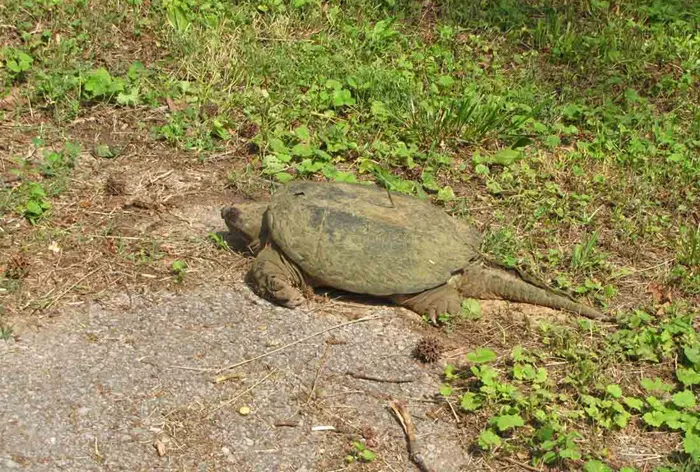
Snapping turtles are fascinating creatures, often admired for their ancient lineage and powerful bite. But there’s another side to these reptiles that people don’t always consider: their eggs. Have you ever wondered if snapping turtle eggs are edible? This question has intrigued both culinary adventurers and reptile enthusiasts for a long time. Let’s dive into this topic and explore whether these eggs are safe, nutritious, and worth trying.
What Are Snapping Turtle Eggs?
Before jumping into whether snapping turtle eggs are edible, let’s take a quick look at what they are. Snapping turtles, scientifically known as Chelydra serpentina, are freshwater turtles found in North America. They are famous for their large size and strong jaws. Female snapping turtles lay their eggs in sandy or soft soils during the summer months, usually in nests that they dig themselves. These eggs are soft-shelled, leathery, rather than hard like bird eggs, and typically about 1.5 to 2 inches long.
Each clutch can contain anywhere from 20 to 40 eggs, depending on the turtle’s size and health. After laying the eggs, the mother leaves, and the eggs incubate in the warm, moist soil for about 70 to 90 days before hatching. The hatchlings are left to fend for themselves, emerging from their eggs ready to face the challenges of the world.
Are Snapping Turtle Eggs Safe to Eat?
Now, to the big question: Are snapping turtle eggs edible? The short answer is yes, snapping turtle eggs are edible. But before you go rushing out to gather some, it’s important to consider a few things.
Legal Concerns and Conservation Issues
First, it’s crucial to recognize that in many areas, snapping turtles are a protected species. In some states and countries, it is illegal to collect their eggs, as snapping turtles are considered to be at risk or are part of wildlife protection regulations. Always check your local laws and regulations to ensure that you are not violating any wildlife protection laws.
In addition to legal concerns, the conservation status of snapping turtles should be considered. These reptiles have been around for millions of years, and their populations have been declining due to habitat destruction and human interference. Consuming their eggs could potentially contribute to this decline.
Taste and Nutritional Value
If you’re legally allowed to eat them, you may wonder what snapping turtle eggs taste like. Many people compare turtle eggs to other exotic eggs, such as quail eggs or ostrich eggs. The taste is generally described as being rich and somewhat gamey, with a texture that’s slightly rubbery. If you’ve ever eaten a soft-boiled egg, the texture is somewhat similar, though turtle eggs are a bit firmer.
Nutritionally, turtle eggs are quite rich in protein, fat, and essential vitamins and minerals, making them a high-energy food source. Like chicken eggs, they contain significant amounts of vitamin A, vitamin D, and omega-3 fatty acids. However, the nutritional profile can vary based on the turtle’s diet, so it’s important to consider that as well.
Preparation and Cooking
If you’re considering eating snapping turtle eggs, the preparation is straightforward. Turtle eggs can be boiled, scrambled, or even fried, similar to how you would cook other types of eggs. However, the soft shell can make cracking them a bit tricky. Some people find that gently prying the eggs open with a knife works best.
Cooking methods will depend on your taste preferences. Some people choose to scramble them with spices, while others prefer them hard-boiled, seasoned, or even pickled. Regardless of how you cook them, make sure they are properly prepared to avoid the risk of foodborne illnesses, as you would with any other egg.
Are There Risks to Eating Snapping Turtle Eggs?
While snapping turtle eggs are edible, there are a few risks to consider. First, as mentioned earlier, they are protected in many areas, and eating them without the proper permits can lead to serious legal consequences.
Additionally, like other eggs, turtle eggs can carry bacteria, such as Salmonella. It’s essential to cook the eggs thoroughly to avoid any potential health risks. You should also practice good hygiene when handling turtle eggs, as with any food that comes from wildlife.
Furthermore, because snapping turtles are often exposed to pollutants in their environment, there’s a potential for toxins to accumulate in their eggs. It’s essential to consider the source of the eggs and whether the turtles were living in a clean, unpolluted habitat.
The Ethical Debate: Should You Eat Snapping Turtle Eggs?
Even if snapping turtle eggs are safe to eat, there’s an ethical question to consider. Snapping turtles play a crucial role in their ecosystems, acting as both predators and scavengers. Removing their eggs for human consumption can have long-term impacts on their populations and the balance of local ecosystems.
For conservationists, the idea of eating snapping turtle eggs raises concerns about contributing to the decline of a species that is already vulnerable in some areas. In some cultures, turtle eggs are considered a delicacy, but it’s important to weigh the ethical implications before making such decisions.
Alternatives to Snapping Turtle Eggs
If you’re interested in trying exotic eggs, there are many alternatives that are more sustainable and ethically sourced. For instance, quail eggs are a popular choice and are widely available in many markets. These eggs have a similar texture and flavor profile to turtle eggs, and they come from species that are not at risk.
In some areas, farm-raised turtles produce eggs that are legally and ethically sourced, and these can be an option if you want to try turtle eggs while avoiding the risks associated with wild-caught eggs.
Conclusion
So, are snapping turtle eggs edible? Yes, they are. But before you try them, it’s crucial to understand the legal, ethical, and environmental implications. If you do decide to try snapping turtle eggs, make sure you are in compliance with local laws, and always consider the conservation status of the species. Whether you’re a culinary adventurer or simply curious, always prioritize sustainability and respect for wildlife when making such decisions.
Related topics: