
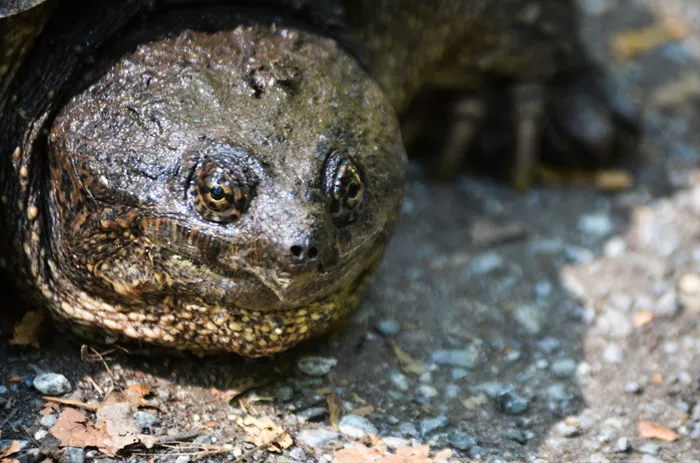
Taming a snapping turtle can seem like a daunting task, especially considering their reputation for being fierce and aggressive. But don’t let their intimidating appearance fool you—these reptiles are capable of becoming loyal, fascinating companions if you approach the process correctly. In this guide, we’ll walk you through how to tame a snapping turtle, focusing on practical, beginner-friendly advice that will help you build a bond with your turtle while keeping both you and the animal safe.
What You Need to Know About Snapping Turtles
Before jumping into the taming process, it’s important to understand a bit about snapping turtles. These reptiles belong to the Chelydridae family, and there are two main types: the common snapping turtle (Chelydra serpentina) and the alligator snapping turtle (Macrochelys temminckii). They are known for their large size, powerful jaws, and somewhat unpredictable temperament.
Though these turtles are not naturally inclined to be friendly or docile like some other pet reptiles (e.g., bearded dragons or green iguanas), with patience and understanding, they can be tamed and become relatively calm.
Think of a snapping turtle like a grumpy neighbor—if you respect their space, they can warm up to you, but if you act too quickly or too aggressively, they may snap!
Step 1: Understanding Snapping Turtle Behavior
Before taming any animal, it’s crucial to understand their natural instincts. Snapping turtles are not naturally cuddly creatures—they are solitary and territorial. The reason snapping turtles bite so easily is because of their defensive nature. In the wild, they need to protect themselves from predators and other threats.
However, they are also quite intelligent and can become accustomed to human presence over time. The key to taming a snapping turtle lies in patience and consistency.
How to Handle a Snapping Turtle (Without Getting Bitten)
Handling a snapping turtle requires some finesse. Their long necks allow them to reach their targets with surprising speed, so it’s important to know how to approach them without causing them to feel threatened.
Approach Slowly: Sudden movements can startle snapping turtles. Approach them calmly and give them time to adjust to your presence. Remember, they are not used to human interaction, so take it slow.
Use Proper Handling Techniques: When you do need to handle your snapping turtle, make sure you support its body properly. Place one hand under its shell and gently lift it, avoiding its head and neck, as that’s where it’s most likely to bite. Think of it like picking up a heavy box—you want to lift it with care so that it doesn’t get damaged.
Avoid Stressing Your Turtle: It’s tempting to want to hold your turtle, but forcing interaction can stress it out. Instead, give your snapping turtle the space it needs. They’ll appreciate the opportunity to explore on their own terms.
Step 2: Creating a Comfortable Habitat
Taming a snapping turtle isn’t just about handling—it’s also about creating a safe, comfortable environment where it feels secure. Your turtle needs to feel at ease in its enclosure, as stress can negatively impact its behavior.
Tank Size: A snapping turtle needs plenty of space to move around, especially as it grows larger. A juvenile snapping turtle might do well in a 40-gallon tank, but adult snapping turtles require tanks of 100 gallons or more. Think of the tank like a “home base” where your turtle will retreat to feel safe.
Water and Temperature: These turtles are aquatic, so their tank should include a deep water section. The water temperature should be kept between 75-85°F (24-29°C) for optimal health. You’ll also want a dry basking area where they can warm up, just like how they’d sunbathe on a rock in the wild.
Hideaways: Provide hiding spots such as logs or caves. These act as safe zones where your turtle can retreat when it feels threatened or needs a break. Remember, just like people, snapping turtles need their privacy.
Step 3: Positive Reinforcement and Routine
Just like other animals, snapping turtles respond to consistency. By creating a predictable routine and rewarding calm behavior, you can slowly build trust with your turtle. Here’s how you can do that:
Feeding Time: Snapping turtles can be very food-motivated. During feeding times, offer them a variety of foods like fish, worms, and leafy greens. As they begin to associate you with food, they may become more comfortable in your presence. If they approach the food without hesitation, it’s a sign they’re becoming familiar with you.
Gentle Interaction: Once your snapping turtle is comfortable in its environment, start with small, gentle interactions. You could try placing your hand close to the turtle’s face (but not too close) and allowing it to approach at its own pace. Gradually, your turtle will get used to your touch.
Patience is Key: Taming a snapping turtle isn’t something that will happen overnight. This process can take months, and every turtle is different. Stay patient, and remember that consistency and calmness are key.
Step 4: Handling Aggression
Occasionally, you may encounter some resistance from your snapping turtle. If it’s being particularly aggressive or snapping at you, don’t panic. This behavior is normal, especially if your turtle is stressed or feels threatened.
Dealing with Aggression:
Stay Calm: If your turtle tries to snap at you, stay calm and avoid reacting with panic. Remember, snapping turtles can sense your emotions, and sudden movements can make them more anxious.
Use a Barrier: If you need to handle your turtle in a situation where aggression is high, consider using a soft barrier, like a towel, to gently guide it into your hands without making it feel trapped.
Step 5: Long-Term Bonding and Trust
As you continue to work with your snapping turtle, it’s important to allow the animal to decide when it’s ready for more direct interaction. Over time, you will notice small signs that indicate trust—such as your turtle coming closer to you on its own or relaxing when you are near.
Socialization: While snapping turtles may never be as cuddly as some other pets, they can become comfortable with you. This bond will strengthen over time as you build trust through positive, non-threatening interactions.
Conclusion
Taming a snapping turtle can be a highly rewarding experience for those willing to take the time and approach the task with care. By creating a safe, comfortable environment, practicing patience, and using positive reinforcement, you can slowly develop a bond with your snapping turtle that allows for safe handling and deeper interaction.
Though it may take time for your snapping turtle to feel completely comfortable with you, the process can be incredibly satisfying as you see your reptilian friend become more relaxed and confident in your presence.
Related topics: