
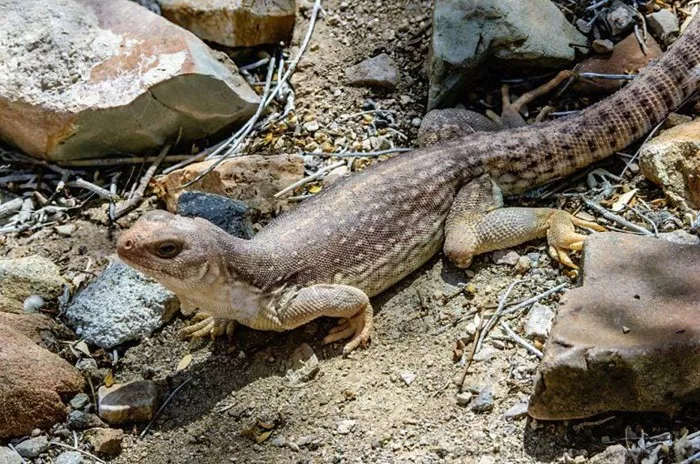
When you think of a desert, what comes to mind? Dry, arid landscapes, scorching sun, and perhaps, cacti standing tall against the harsh environment. Now imagine a lizard, a creature perfectly adapted to this unforgiving world, and one that calls the desert its home: the desert iguana. But here’s a question that may have crossed your mind—do these fascinating reptiles eat cactus?
This question might seem simple at first, but as you delve into the life of the desert iguana, you’ll find that the answer isn’t as straightforward as you might think. By the end of this article, you’ll discover the surprising relationship between desert iguanas and cacti, along with an in-depth exploration of their eating habits, preferred foods, and their extraordinary ability to thrive in one of Earth’s most extreme ecosystems.
Introduction to the Desert Iguana
The desert iguana (scientific name Dipsosaurus dorsalis) is a medium-sized lizard that thrives in the southwestern United States and northwestern Mexico. Its natural habitat includes the scorching hot regions of the Sonoran Desert and the Mojave Desert. Known for its endurance in high temperatures, this iguana is one of the few reptiles capable of surviving in such extreme conditions.
But despite its ability to tolerate the searing desert heat, the desert iguana isn’t as solitary as one might think. These iguanas have adapted to their surroundings in remarkable ways. From finding shelter in the shade to seeking out specific food sources, their diet is as much a product of necessity as it is of opportunity.
So, back to the original question: do desert iguanas eat cactus? To understand the answer fully, we need to dive into their eating habits and learn how they interact with their environment.
The Diet of a Desert Iguana: A Closer Look
Desert iguanas are primarily herbivores. This means their diet mainly consists of plant material. However, they’re not just munching on any plants they come across. Their food choices are specifically geared toward the plants that grow in their harsh desert environment.
What Do Desert Iguanas Eat?
The desert iguana’s diet includes a variety of plants, such as:
Creosote bush (Larrea tridentata): This is the most common plant the desert iguana consumes. It’s hardy, drought-resistant, and can be found in abundance throughout the iguana’s desert habitat.
Cacti: Desert iguanas do occasionally consume certain types of cactus, especially the pads and fruits. However, this is not their primary food source, and they tend to prefer other plant options.
Flowers and leaves: These iguanas also enjoy munching on flowers, particularly those of plants like alfalfa, sagebrush, and desert marigolds.
But can these creatures truly eat cactus? The short answer is yes, but they tend to eat it selectively.
Do Desert Iguanas Eat Cactus?
Desert iguanas do consume cactus, but it’s not the centerpiece of their diet. Certain cactus species, such as prickly pear (Opuntia), are on the menu when other food sources are scarce. The pads and fruits of these cacti are a good source of water, which is critical in the desert environment. The cactus fruit, often packed with moisture and nutrients, provides a much-needed hydration boost.
But here’s the kicker—desert iguanas are not known for chomping down on cactus spines, which can be sharp and painful. They’ve developed a technique for carefully eating the cactus without suffering from its protective spines. Iguanas typically nibble on the pads and fruits, avoiding the prickles by carefully peeling or biting through the softer areas.
Why Do Desert Iguanas Eat Cactus?
The main reason desert iguanas occasionally eat cactus is its ability to provide hydration. The desert environment they live in is extremely dry, and fresh water is not always easy to come by. Cactus pads and fruits have a high water content, making them an essential resource when rain is scarce. It’s like finding an oasis in the middle of the desert, and these iguanas take full advantage of it when they can.
Furthermore, some cacti contain nutrients that complement the iguana’s herbivorous diet. While cactus is not a regular part of their meals, it certainly plays an important role during times of drought or when other food sources are less abundant.
How Do Desert Iguanas Handle Their Harsh Environment?
It’s not just about food—desert iguanas are masters at surviving in extreme heat. But how do they manage to live in one of the hottest places on Earth?
Temperature Regulation: A Delicate Balance
Desert iguanas are ectothermic, meaning they rely on external heat sources to regulate their body temperature. During the hottest parts of the day, when temperatures soar to over 100°F (38°C), desert iguanas often seek shelter under bushes or in burrows. They’ll stay in the shade to avoid overheating.
However, they are unique among desert reptiles because they remain active during the hottest hours of the day. When temperatures exceed 40°C (104°F), many reptiles would retreat to cooler places, but desert iguanas thrive in these conditions, often emerging to forage during midday heat.
The Importance of Cactus in the Desert Ecosystem
Cacti play a crucial role in the desert ecosystem. Not only do they provide food and water for desert iguanas, but they also serve as shelter for many desert creatures. In some cases, desert iguanas use cactus plants as protection from predators or as a way to stay cool during the heat of the day.
Additionally, cactus plants act as a food source for other animals in the desert, from small herbivores to birds. The relationship between desert iguanas and cacti is part of a broader web of interdependence in the desert.
Fascinating Facts About Desert Iguanas and Cacti
Hydration from Cactus: In the wild, desert iguanas can survive for long periods without drinking water, as they obtain moisture from their food, including cactus. During the dry season, they might rely more heavily on cactus to stay hydrated.
Selective Eaters: While cactus can be a life-saver, desert iguanas are selective about what they consume. They often go for the less spiny parts of the cactus and avoid the sharp, painful spikes.
Amazing Adaptations: Desert iguanas are not just surviving—they’re thriving. Their ability to eat cacti and other desert plants allows them to withstand the harsh conditions that many other animals can’t.
Conclusion
In conclusion, while desert iguanas do eat cactus, it’s not the mainstay of their diet. They prefer a variety of plants, with creosote bush being their primary food source. However, when times are tough, or they need a hydration boost, cactus becomes a valuable food source. The ability of desert iguanas to survive in the harsh desert conditions, including their selective cactus-eating habits, makes them one of the most fascinating reptiles in the world.
So, the next time you spot a desert iguana in the wild, you’ll know that, while cactus is part of their diet, it’s their ability to adapt to their environment that makes them true desert survivors.
Related topics: