
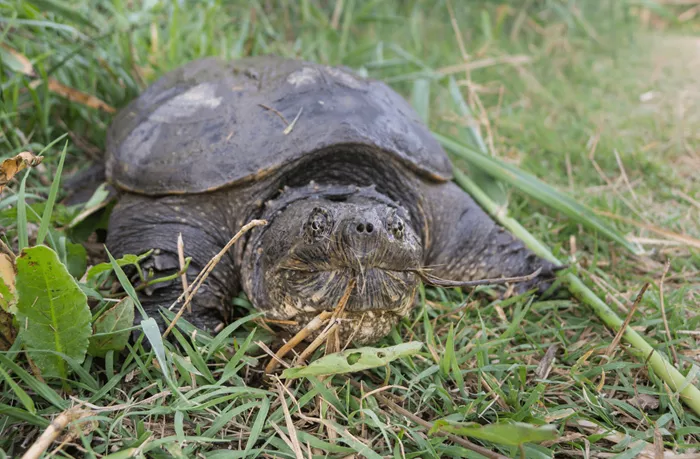
When you think of a turtle, what comes to mind? Maybe a slow-moving creature with a hard shell that hides in its shell at the slightest sign of danger. But, have you ever wondered whether snapping turtles are protected or if they’re endangered? These fascinating reptiles, which are quite different from the common turtle, have been around for millions of years, but they’re facing significant challenges today. Let’s dive into the world of snapping turtles, explore their conservation status, and understand whether they’re protected by law.
What Are Snapping Turtles?
Before we jump into the question of whether snapping turtles are protected, let’s get to know these reptiles a bit better. Snapping turtles are large, freshwater turtles, typically found in North America. Their most famous trait is their strong, sharp beak-like jaws, which they use to snap at anything that comes too close, including people. The name “snapping turtle” actually comes from this aggressive biting behavior.
Two species of snapping turtles exist: the Common Snapping Turtle (Chelydra serpentina) and the Alligator Snapping Turtle (Macrochelys temminckii). The Common Snapping Turtle is the more widespread species, while the Alligator Snapping Turtle is mostly found in the southeastern United States and is known for its large size and the distinctive ridges on its shell.
Why Should We Care About Snapping Turtles?
Snapping turtles play a crucial role in their ecosystems. As scavengers, they help keep water habitats clean by eating dead plants, fish, and other animals. They also help control populations of smaller animals like frogs and insects. Think of them like nature’s garbage disposal! Without them, ecosystems would be much less balanced.
However, despite their importance, snapping turtles face a number of threats that could endanger their population. The good news is that some of these threats have sparked legal protections in certain areas. But what exactly does “protected” mean? And is it enough to ensure their survival?
Are Snapping Turtles Endangered?
In short, no, snapping turtles aren’t classified as “endangered” at the national level. However, some specific species, like the Alligator Snapping Turtle, are considered vulnerable or at risk of becoming endangered. The Alligator Snapping Turtle is listed as vulnerable by the International Union for Conservation of Nature (IUCN) because of its shrinking population due to habitat loss, poaching, and illegal trade.
The Common Snapping Turtle, on the other hand, is not considered endangered on a global scale. It’s relatively abundant in the wild. However, local populations can still be threatened, especially in regions where habitats are disappearing or being disturbed by human activities.
Are Snapping Turtles Protected by Law?
In many parts of the United States, snapping turtles are protected under local laws, but protection varies depending on the species and the region. Let’s break it down:
The Alligator Snapping Turtle
The Alligator Snapping Turtle is more strictly protected in some states due to its declining numbers. For example:
- In Texas, this species is listed as threatened, meaning it is illegal to harvest or possess them without a permit.
- In Georgia, it is a protected species, and people are not allowed to catch or kill them without special permission.
- In Missouri, Alligator Snapping Turtles are considered endangered and are strictly protected under state law.
This protection often includes regulations such as limiting hunting or removing the turtles from the wild, especially during nesting seasons. Some states even have restrictions on the sale or transport of these turtles across state lines to curb the illegal pet trade.
The Common Snapping Turtle
The Common Snapping Turtle, unlike its alligator cousin, is more widespread and less protected by law. However, local regulations may restrict how many turtles can be caught, or they might implement closed seasons when it’s illegal to hunt them, particularly during nesting periods.
For example, in certain areas, fishing for snapping turtles might be restricted, or there may be size limits on the turtles that can be caught. In some regions, a special fishing permit might be required to legally catch them, especially if you plan to sell them or display them in a public zoo or aquarium.
See Also: Can Snapping Turtles Live Without Water?
Why Are Snapping Turtles at Risk?
Snapping turtles, especially the Alligator Snapping Turtle, face several threats that put their populations at risk. Let’s take a look at the biggest challenges:
Habitat Destruction
Wetland areas and freshwater rivers, where snapping turtles thrive, are being lost to development, agriculture, and pollution. When their homes are destroyed, snapping turtles struggle to find new areas to live.
Illegal Hunting and Trade
Some people hunt snapping turtles for their meat or shells, while others trap them for the pet trade. This is particularly dangerous for species like the Alligator Snapping Turtle, which reproduces slowly and has a smaller population. Overhunting can decimate their numbers.
Road Mortality
Snapping turtles are often hit by cars, especially during their nesting season when they leave the water to lay eggs. Many turtles travel long distances, sometimes across busy roads, and are killed in the process.
Climate Change
Rising temperatures and changing weather patterns are also affecting turtle populations. For instance, warmer temperatures may lead to more male turtles being born, which could imbalance the gender ratio and affect future reproduction rates.
Conservation Efforts
The good news is that there are conservation efforts underway to protect these remarkable reptiles. Efforts range from protecting habitats to limiting hunting and even breeding programs.
Wildlife organizations and state agencies often collaborate on these projects. For example:
- Turtle monitoring programs track populations of endangered species, including Alligator Snapping Turtles, to better understand their distribution and reproductive success.
- Habitat restoration projects aim to protect wetlands and freshwater systems critical for turtles.
- Some states have enacted laws that restrict harvesting or protect nesting sites, ensuring turtles can reproduce without human interference.
Many zoos and wildlife centers also help by running breeding programs to help increase the population of threatened species.
How Can You Help?
As individuals, there are several ways you can help protect snapping turtles:
- Support conservation organizations that focus on reptile and turtle protection.
- Be mindful of road safety – if you see a turtle crossing the road, stop and help it cross safely, if it’s safe to do so.
- Avoid buying snapping turtles as pets unless they are from responsible breeders.
- Report illegal poaching – if you witness illegal hunting or trapping, contact the authorities.
Conclusion
While snapping turtles are not universally protected under law, certain species, such as the Alligator Snapping Turtle, do benefit from protections in some areas. Conservation efforts are ongoing, but much work remains to ensure these incredible creatures can thrive for generations to come. You can play a part in their protection by being informed, supporting conservation efforts, and respecting their habitats.
Related topics: