
When you think about the wonders of nature, the process of life’s creation is undoubtedly one of the most fascinating. Whether you’re watching a bird hatch from its egg or seeing a reptile emerge from its shell, the question arises: what’s happening inside those eggs? As a reptile lover or an aspiring herpetologist, you’ve probably wondered about the intricacies of egg development, especially when it comes to species like the snapping turtle. One pressing question that often pops up is: does a snapping turtle have an amnion?
You’re in the right place to uncover the answer, and by the end of this article, you’ll not only understand the amnion but also how it plays a pivotal role in the snapping turtle’s development. So, let’s dive in!
What Is the Amnion?
Before we go into whether or not snapping turtles have an amnion, let’s break down the science behind it. The amnion is one of the crucial membranes that form during the development of an embryo in most land-dwelling vertebrates, including birds, reptiles, and mammals. Imagine the amnion as a kind of “protective bubble” that surrounds the developing embryo inside the egg.
To put it simply, think of the amnion as a water balloon around the baby reptile, providing protection and cushioning. This protective sac helps maintain a stable environment for the embryo, keeping it safe from physical damage and dehydration, while also helping regulate temperature.
Now, you’re probably wondering how this applies to snapping turtles specifically, right? Well, let’s keep going to find out!
The Snapping Turtle: A Quick Overview
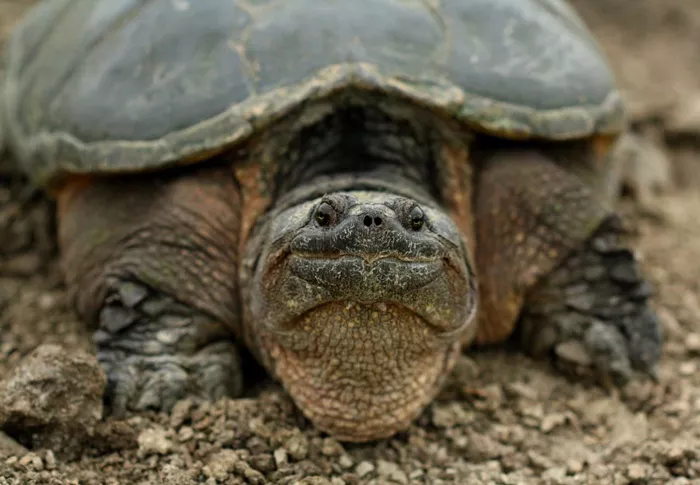
Before we dig deeper into the question of the amnion, it’s important to understand a little about snapping turtles themselves. Snapping turtles (Chelydra serpentina) are large freshwater turtles known for their aggressive behavior and strong, sharp jaws. Found primarily in North America, these turtles live in rivers, ponds, and lakes, and they can be recognized by their rough, leathery shells and long tails.
Like most reptiles, snapping turtles reproduce by laying eggs, which are typically buried in the soft earth near water. These eggs, once laid, develop over time until the baby turtles hatch. But here’s the interesting part: just like other reptiles, snapping turtles start their journey inside an egg that’s surrounded by several important layers—one of which might be the amnion.
Snapping Turtle Eggs: The Journey of Life
The life of a snapping turtle begins when a female lays her eggs in a carefully selected nesting site. These eggs are soft and leathery, not hard like those of birds. Now, what happens inside these eggs is a complex and carefully choreographed process, almost like a dance. Let’s take a look at the key stages:
1. Eggshell Formation
When the female snapping turtle lays her eggs, they are initially surrounded by a soft, leathery shell. This shell isn’t as hard as a bird’s egg, but it still offers some protection to the developing embryo inside.
2. Development of the Amnion
Inside the egg, the amnion starts to form almost immediately after fertilization. As the embryo begins to develop, the amnion surrounds it, creating a fluid-filled sac that serves as its protective cushion. This membrane is a critical feature for the embryo’s survival, ensuring that the baby turtle has a stable environment where it can grow and thrive.
3. Amniotic Fluid and Protection
The amnion is filled with amniotic fluid, which is like a “bath” for the embryo. This fluid helps cushion the embryo from shock and prevents it from drying out. Without this protection, the embryo would be much more vulnerable to damage or dehydration.
Think of it like this: the amnion and its fluid act like a protective cushion and the eggshell is like the outer armor. Together, they form a nearly impenetrable fortress for the developing turtle.
4. Hatching
Once the turtle reaches maturity inside the egg, it begins the journey of hatching. The process can take anywhere from 60 to 90 days depending on the temperature and environmental factors.
The baby snapping turtle uses its egg tooth—a temporary, hard bump on its snout—to break through the egg’s shell. But don’t worry, the amnion doesn’t get in the way of this process. In fact, it stays intact for a while, helping the baby remain hydrated as it pushes its way out into the world.
Do Snapping Turtles Have an Amnion? Yes!
So, the answer to our big question is clear: yes, snapping turtles do have an amnion. It plays a vital role in protecting the developing embryo and ensuring that the baby turtle has the right environment to grow.
The amnion is found in the early stages of turtle development, just like in most other reptiles, birds, and mammals. Without it, the baby snapping turtle would be at much higher risk of injury, dehydration, or even death during its development in the egg.
Why is This Important?
You might be asking, “Why should I care about this amniotic membrane?” Well, understanding the role of the amnion can help us better appreciate the complexity of reptilian development. It also highlights how turtles, like all living creatures, have evolved over millions of years to survive and thrive in their environments.
The Importance of the Amnion for Snapping Turtles
The amnion’s role goes beyond just physical protection. Here’s why it’s so important for snapping turtles:
1. Hydration and Stability
The amniotic fluid inside the amnion prevents the developing embryo from drying out. This is crucial in an environment like an egg, where dehydration could otherwise threaten the survival of the young turtle.
2. Temperature Regulation
In reptiles, the development of the embryo is highly dependent on environmental temperature. The amnion helps to maintain a stable temperature within the egg, providing the right conditions for the embryo to grow.
3. Shock Absorption
Turtles, especially when they’re in their egg stage, might experience physical disturbances or vibrations from the outside world. The amnion and the fluid inside it act as a cushion, absorbing any shocks that might otherwise damage the delicate embryo inside.
4. Facilitating Movement
As the baby snapping turtle develops, it starts to move inside the egg. The fluid-filled amnion allows these movements to occur without harming the embryo, offering freedom and comfort as the turtle prepares to hatch.
Fun Facts About Snapping Turtles
Before we wrap up, let’s dive into a few cool facts about snapping turtles that you may not know:
Long Lifespan: Snapping turtles can live for over 30 years in the wild.
Aggressive Nature: They are known for their aggressive behavior, especially when they feel threatened. So, if you ever come across one, be careful!
Hunting Skills: Snapping turtles are skilled hunters, often ambushing their prey (like fish and small amphibians) by remaining perfectly still.
Incredible Mobility: Despite their bulky appearance, snapping turtles are great swimmers and can even move rapidly on land when needed.
Conclusion
So, to answer our question once and for all: yes, snapping turtles do have an amnion. This unique membrane, along with its protective amniotic fluid, ensures the survival of the developing turtle in its egg, helping it thrive until it’s ready to hatch and face the world.
If you ever encounter a snapping turtle or learn more about their fascinating development, you’ll have a deeper understanding of the intricate processes that ensure life continues to flourish in the wild.
Related topics: