
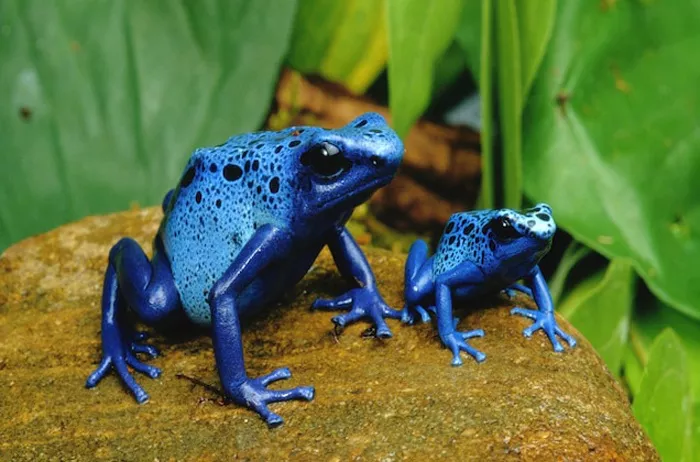
Have you ever looked at a frog and thought, “Wow, that’s a striking color!”? If you’ve ever seen a blue poison dart frog, you’ll know exactly what I mean. These tiny creatures are famous for their vibrant, electric blue skin and unique abilities, making them not just fascinating in the wild, but also popular in the world of exotic pets. But here’s the million-dollar question—how much do they actually cost? You might be surprised by the range of prices you’ll encounter if you’re considering adding one of these colorful amphibians to your collection.
But first, let’s dive into what makes the blue poison dart frog so special and why its price tag can vary. Stick around as we explore everything from the factors affecting the cost to tips on where to buy them and how much you might expect to pay!
What Makes Blue Poison Dart Frogs So Unique?
The blue poison dart frog, scientifically known as Dendrobates tinctorius “azureus”, is a standout species among dart frogs. Found in the rainforests of South America, particularly in Suriname, these frogs have earned their name due to their toxic skin. But don’t worry, if you’re thinking of adopting one as a pet, they lose this toxicity in captivity because they no longer have access to the specific diet that makes them poisonous. Still, their vibrant colors are an attention-grabber, and many hobbyists are drawn to these frogs for their beauty and intriguing biology.
Factors That Affect the Price of Blue Poison Dart Frogs
When it comes to purchasing a blue poison dart frog, several factors play a role in determining how much you’ll pay. Let’s break them down:
1. Rarity and Source of the Frog
One of the biggest influencers on the price is the frog’s origin. Wild-caught frogs tend to cost more due to their rarity and the logistics involved in bringing them to the market. However, it’s important to note that wild-caught dart frogs are generally not recommended for first-time owners. They can carry diseases, and their care needs are more demanding.
On the other hand, captive-bred frogs, which are bred in controlled environments, are often more affordable and easier to care for. These frogs are typically healthier and have already adapted to living in captivity, which makes them a better choice for beginners.
If you want a truly unique frog, you might also find certain color morphs or subspecies that are rarer than the typical blue, and these will certainly come at a higher price.
2. Age and Size of the Frog
Just like any other pet, the age of the blue poison dart frog can influence its price. Younger frogs, particularly tadpoles or juveniles, are generally less expensive, while adult frogs are often pricier. Adults are already established in terms of size, behavior, and health, so their price reflects that.
Also, keep in mind that blue poison dart frogs are relatively small, typically ranging from 1.2 to 1.8 inches long (about the size of a lighter). Larger, more mature frogs are considered more valuable in the pet trade, simply due to their established size and health.
3. Quality of Care and Health
A well-cared-for blue poison dart frog from a reputable breeder will typically cost more than one from a less experienced or less ethical seller. Breeders who provide top-notch care, the right diet, and a controlled environment for their frogs will often price their frogs higher to reflect the level of care that has gone into raising them.
Healthy frogs that are free of parasites or diseases, and that have been raised in proper conditions, will be priced higher. This is something to look out for, especially if you’re considering purchasing a frog from an online source.
See Also: Why Blue Poison Dart Frogs Jump So Efficiently?
4. Where You Buy the Frog
The location of the seller can also impact the price. Frogs bought from specialist pet stores or established breeders typically come with higher price tags, but the benefit is knowing that the frog has been raised under optimal conditions. Buying from less reputable sources, such as online auctions or unverified sellers, may seem like a bargain, but these frogs might come with risks, including poor health and lack of proper care.
For example, buying a blue poison dart frog in the United States might cost more than purchasing one in its native habitat of South America, thanks to shipping costs, import taxes, and the risks involved in transport. But this doesn’t necessarily mean you’ll get a better quality frog by paying more.
5. Legal Considerations
Blue poison dart frogs are not considered endangered, but they are protected in some countries due to the unique role they play in their ecosystems. This can affect their availability and price, especially if you’re buying from a country where the trade of certain amphibian species is restricted. Always ensure that the frog you’re purchasing has been ethically sourced and that you have the proper permits to own one, if necessary.
How Much Do Blue Poison Dart Frogs Typically Cost?
So, after considering all the factors, how much are you actually looking to spend on one of these amazing frogs? The price of a blue poison dart frog can vary greatly, but here’s a general breakdown:
Wild-Caught Blue Poison Dart Frogs: These frogs are typically sold for anywhere between $50 to $150. The price can go higher depending on the rarity of the individual frog, especially if it’s a particularly vibrant specimen or from a highly sought-after region.
Captive-Bred Blue Poison Dart Frogs: If you opt for a frog that has been bred in captivity, you’re looking at prices generally ranging from $40 to $100. These frogs tend to be more affordable because they are bred specifically for the pet trade and are more resilient in a captive environment.
Juvenile Frogs and Tadpoles: If you’re willing to wait for your frog to mature, tadpoles or young frogs can be a cost-effective option, often priced between $20 and $50.
Rare Color Morphs and Subspecies: If you’re interested in a rare morph or subspecies, such as those with particularly bright blue or unique patterns, you might be paying $200 or more for a single frog. These rarer frogs can fetch a premium, especially if they have been selectively bred for their colors.
Additional Costs of Owning a Blue Poison Dart Frog
The initial cost of purchasing the frog is just one part of the equation. You’ll also need to consider the setup and maintenance costs to keep your frog healthy and happy. This can include:
Vivarium Setup: Setting up a suitable habitat for your blue poison dart frog is crucial. A well-constructed vivarium (an enclosure that mimics a natural environment) can cost anywhere from $100 to $500, depending on the size and complexity of the setup.
Lighting and Heating: While dart frogs don’t require extremely high temperatures, they do need a carefully regulated environment with proper lighting and humidity. Expect to spend $50 to $150 on lighting and heating equipment.
Ongoing Maintenance: You’ll also need to provide food for your frog, which typically consists of small insects like fruit flies, springtails, and tiny crickets. These food items can cost about $10 to $30 per month. If you raise your own insects, the cost may be lower.
Water and Humidity Systems: Blue poison dart frogs need a moist environment to thrive. You might want to invest in a misting system or a small water filtration system, which can cost an additional $50 to $100.
Conclusion
Whether you’re an experienced herpetologist or a beginner just diving into the world of amphibians, the blue poison dart frog can be a beautiful and captivating addition to your collection. Their vibrant blue color and unique behaviors make them a standout species that’s sure to impress any reptile enthusiast.
The price of these frogs may vary, but ultimately, the investment in their care and well-being is something you should carefully consider. A blue poison dart frog can be a lifelong pet if cared for properly, and with the right setup, you’ll be rewarded with a fascinating, colorful creature that brings a little bit of the rainforest right into your home.
Related topics: