
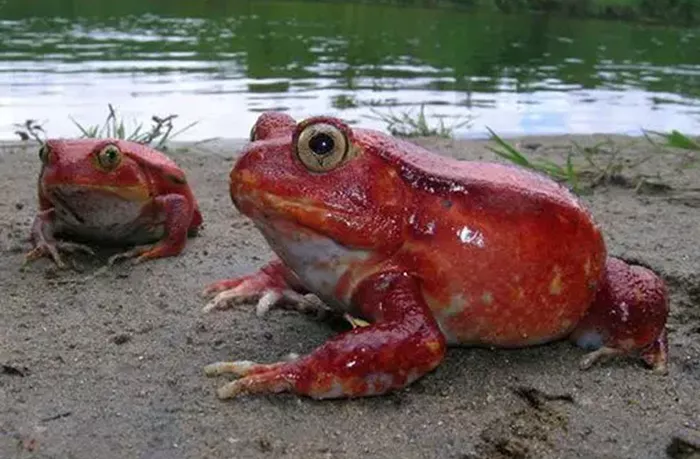
If you’re a reptile enthusiast or just starting your journey into the fascinating world of amphibians and reptiles, you might be wondering: Can I hold my tomato frog? These bright red-orange frogs, native to Madagascar, have captured the hearts of many exotic pet lovers. But before you pick one up and start bonding, it’s crucial to understand what holding a tomato frog really means for you and your amphibian friend.
This article will guide you through everything you need to know about tomato frogs and whether holding them is a good idea. You’ll learn the biology behind their behavior, how their skin works, their natural instincts, and what experts say about interaction. Get ready to unlock the secrets of these amazing amphibians—and find out how to care for them properly without risking their health.
What Is a Tomato Frog? Meet This Colorful Species First
Before diving into the question of holding, let’s get to know the tomato frog itself. The tomato frog (Dyscophus antongilii) is a medium-sized amphibian native to the eastern rainforests of Madagascar. They are famous for their bright red or orange skin, which looks just like a ripe tomato—hence the name.
Why are tomato frogs so colorful?
Their vibrant colors are more than just eye candy; it’s a natural warning system. When threatened, these frogs can puff up their bodies, making themselves look bigger and harder to swallow—imagine how a balloon expands. They also secrete a sticky, mildly toxic substance through their skin that can deter predators like snakes or birds.
Adult females are generally larger and more vividly colored than males. They grow up to about 10.5 cm (4 inches), while males tend to be smaller and brownish. Their skin is smooth and moist, important for their survival since amphibians breathe partially through their skin.
Why You Should Think Twice Before Holding Your Tomato Frog
You might be tempted to hold your tomato frog to feel closer to it, but here’s a vital fact: Tomato frogs do not like to be handled frequently. In fact, holding them too much can stress them out, just like you wouldn’t enjoy being poked or grabbed all day.
Think about it like this: Imagine if someone kept picking you up and poking you every hour. It would be stressful, right? Tomato frogs are no different—they are shy, ground-dwelling creatures that prefer to hide under leaves or burrow into soft soil.
The Skin Factor: Why Touching Matters
The skin of a tomato frog is delicate and plays many critical roles:
Breathing through skin: Unlike reptiles that mostly breathe with lungs, tomato frogs and other amphibians also absorb oxygen through their skin. Handling them with dirty or greasy hands can block this vital function.
Absorbing toxins: Their skin can absorb chemicals from your hands, such as soap, lotion, or even sweat. These substances can poison or irritate your frog.
Secreting defensive mucus: When stressed, tomato frogs produce a white sticky mucus that acts as a mild toxin to predators. This mucus can cause mild skin irritation in humans and is a clear sign your frog is unhappy.
Because of these reasons, experts recommend wearing wet, clean gloves if you must handle your tomato frog. Gloves help protect the frog from harmful substances on your skin and prevent the frog’s secretions from irritating you.
When Is It Okay to Hold Your Tomato Frog?
Even though frequent handling is not recommended, there are times when you might need to hold your tomato frog:
Health checkups: You may want to gently hold your frog to check for injuries or signs of illness.
Tank cleaning: Moving your frog temporarily while cleaning its habitat.
Breeding: During breeding programs, occasional handling might be necessary.
In these situations, be as gentle and quick as possible. Support the frog’s body fully, avoid squeezing, and keep your hands or gloves wet.
How to Handle Your Tomato Frog Safely: Step-by-Step Guide
If you decide to hold your tomato frog, follow these simple steps to keep your pet safe and calm:
−Wash your hands thoroughly with water only. Avoid soaps or lotions that may linger on your skin.
−Wear damp gloves to keep the frog’s skin moist and protected.
−Approach calmly and slowly. Sudden movements can frighten your frog.
−Gently scoop your frog from underneath with both hands, supporting its belly and legs.
−Hold close to the ground or over a soft surface to prevent injury in case it jumps or slips.
−Keep handling time short—ideally no more than a few minutes.
−Observe your frog’s behavior: If it secretes white mucus or tries to jump away, it’s time to put it back.
See Also: Where Can You Buy a Tomato Frog Today? Precautions
What Can Happen If You Handle Your Tomato Frog Too Much?
Frequent or rough handling can lead to several problems:
Stress: Chronic stress weakens the immune system, making your frog more susceptible to diseases.
Skin damage: Excessive handling can cause skin irritation, wounds, or infections.
Toxin exposure: Your frog might absorb harmful substances from your skin or environment.
Behavioral changes: A stressed frog may stop eating or become unusually inactive.
In worst cases, stress and poor care can shorten your tomato frog’s lifespan, which in captivity typically can be 10–12 years.
Interesting Owner Stories: Handling Tomato Frogs the Right Way
Many reptile and amphibian keepers have shared their experiences online. One owner said:
“At first, I loved holding my tomato frog, but I noticed it would secrete white slime after each handling. After switching to gloves and limiting handling to once a week, my frog became more active and healthy.”
Another hobbyist shared:
“Tomato frogs are awesome pets, but they’re shy. I only handle mine during tank cleanings. Now, it seems to recognize my voice and even ‘calls’ when I come near the enclosure.”
These real-world stories highlight how respecting your frog’s natural habits can build trust without stress.
Caring for Your Tomato Frog Without Holding It
You might ask: If I can’t hold my tomato frog often, how can I bond with it? Luckily, there are many ways to care for and enjoy your frog without physical contact:
Create a naturalistic habitat: Use plants, soil, and hiding spots that mimic its native Madagascar rainforest.
Observe feeding: Watch your frog hunt crickets or worms at night—their behavior is fascinating!
Talk softly: Frogs can respond to vibrations and sounds.
Keep the environment clean and stable: Temperature between 65°F and 85°F (18°C–29°C), humidity around 65–80%, and fresh water.
By providing a safe and enriching environment, you’ll see your tomato frog thrive, making holding less necessary.
Why Tomato Frogs Are Different From Reptiles When It Comes to Handling
You may be familiar with reptiles like geckos or bearded dragons, which tolerate gentle handling well. Tomato frogs, however, are amphibians with very different biology.
Amphibian skin is more sensitive and moist, requiring careful moisture balance.
They breathe partially through skin, unlike most reptiles who rely solely on lungs.
Their defense is mainly chemical, not claws or teeth.
Treating tomato frogs like reptiles can cause harm. Think of it like trying to hold a delicate water balloon versus a lizard with scales. The frog’s skin is fragile and needs special care.
Conclusion
The short answer: You can hold your tomato frog occasionally but should avoid frequent handling. Respect its nature, keep handling gentle and minimal, and focus on creating a healthy, stress-free habitat. This approach ensures your tomato frog stays happy, healthy, and vibrant for many years.
Your tomato frog is an amazing creature, and sometimes, the best way to show love is to watch quietly, not hold tightly.
Related topics: