
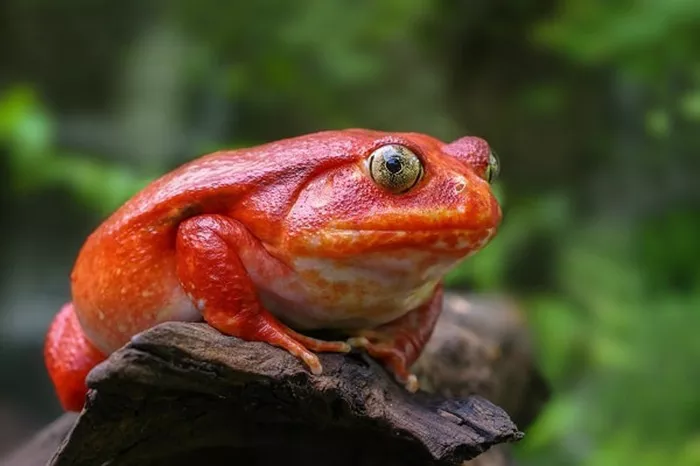
Tomato frogs are fascinating creatures that hail from the lush rainforests of Madagascar. These amphibians are often admired for their striking appearance and unique behaviors. But beyond their bright, tomato-like color, there’s so much more to know about them. Whether you’re a beginner or an experienced reptile enthusiast, you’ll be captivated by the incredible traits of these frogs. In this article, we’ll explore three compelling facts that make tomato frogs stand out from the rest.
1. Tomato Frogs Can Inflate Their Bodies as a Defense Mechanism
Have you ever heard of a frog that inflates itself like a balloon to scare off predators? Well, tomato frogs do exactly that!
When threatened, a tomato frog can puff up its body to become larger and more intimidating. Think of it like a balloon that expands to make itself harder to swallow. The idea behind this behavior is simple: the frog’s goal is to appear too big or too threatening for a predator, such as a snake or a bird, to try to eat it.
This puffing up also makes it harder for predators to grip them, much like a slippery, inflated beach ball. But that’s not all. Tomato frogs have another incredible defense up their sleeve: toxic secretion.
Why this is so cool:
Imagine being able to make yourself look bigger when you’re scared! That’s what makes tomato frogs stand out. And the fact that they can also release a sticky, toxic substance from their skin is another awesome trick to keep predators at bay.
You don’t want to mess with a tomato frog! If you’re thinking about keeping one as a pet, be careful when handling them, as their skin secretion can irritate your skin, too. Always wear gloves when interacting with them!
See Also: Can Tomato Frogs Safely Eat Pinky Mice?
2. Tomato Frogs Are Excellent Ambush Predators
Tomato frogs aren’t just pretty faces—they’re expert hunters as well. In the wild, they use an ambush-style method to catch their prey. Much like a well-timed strike from a coiled snake, tomato frogs wait for their food to come to them.
Their diet mainly consists of insects, such as flies, beetles, worms, and even smaller invertebrates. These frogs have a special way of hunting. They sit quietly and wait, relying on their camouflage and stillness to remain unnoticed by their prey. When a bug comes close enough, the frog lunges forward and catches it with its sticky tongue.
Fun fact: You might not know this, but tomato frogs are nocturnal, meaning they do most of their hunting at night. This is why they’re so great at ambushing—they stay hidden in dark places during the day and only come out when their prey is active in the cooler nighttime hours.
Why this is so interesting:
The ambush strategy of the tomato frog is a perfect example of how creatures adapt to their environments. They’ve mastered the art of waiting patiently for their prey, and when the time is right, they strike. Next time you watch a frog, think of it like a secret agent waiting to pounce—it’s cool, right?
3. Tomato Frogs Are Endemic to Madagascar’s Rainforests
Now, here’s something that might surprise you. Tomato frogs are not found anywhere else in the world except Madagascar—a large island off the southeastern coast of Africa known for its rich biodiversity.
In Madagascar, tomato frogs prefer the humid, tropical rainforests and swamps. The environment is perfect for them. These areas are teeming with insects, which make up a large portion of their diet. The warm and wet conditions are ideal for breeding and survival.
Why this is remarkable:
If you ever plan to visit Madagascar, you might spot these colorful frogs, but remember, they are incredibly specific about where they live. They thrive only in these dense rainforests and are highly dependent on their native habitat.
Sadly, like many species endemic to specific regions, tomato frogs face threats from habitat destruction and climate change. Conservation efforts are crucial to ensure that these vibrant creatures continue to thrive in the wild.
Conclusion
Tomato frogs are not only stunning creatures to observe but also incredibly resourceful and adaptive in the wild. From their ability to inflate their bodies as a defense mechanism to their nocturnal hunting strategies, these frogs certainly live up to their reputation as fascinating amphibians. And with their exclusive existence in the rainforests of Madagascar, they truly are a species worth protecting.
If you’re thinking about keeping a tomato frog as a pet, or just learning about them for fun, these three facts show just how unique they are. They’re a perfect reminder of the incredible variety of life that exists on our planet. So next time you come across one of these frogs, you’ll have a deeper appreciation for their remarkable abilities and the ecosystem they call home.
Related topics: