
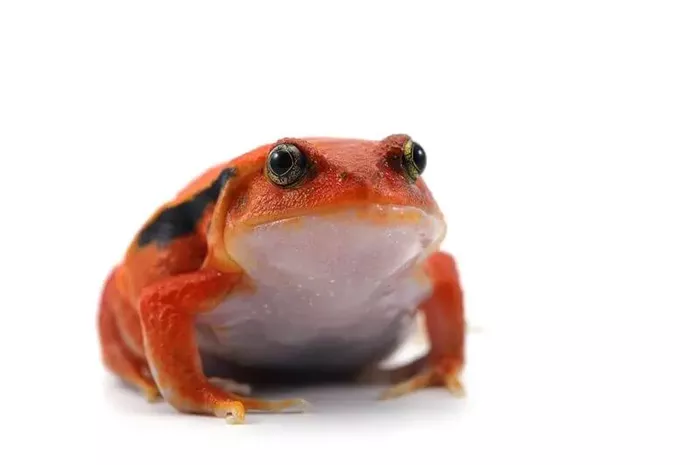
Tomato frogs, with their vibrant colors and distinct personalities, are increasingly becoming popular in the world of exotic pets. But before you decide if they’re right for you, there are a few key questions to answer: are tomato frogs easy to take care of? and why are they called tomato frogs?
Let’s dive in and answer these burning questions, and we’ll walk through everything you need to know about these fascinating creatures—from their care requirements to their unique traits. Whether you’re a seasoned reptile enthusiast or a novice pet owner, this guide will help you better understand and appreciate the tomato frog.
What is a Tomato Frog?
Before getting into the details of their care, it’s important to first understand what a tomato frog actually is. Tomato frogs (scientifically known as Dyscophus antongilii) are native to Madagascar, an island teeming with exotic and unique wildlife. These frogs are instantly recognizable due to their bright red or orange bodies, which is where the name “tomato frog” comes from. Their bright color is not just for show, though—it serves a defensive purpose in the wild.
Why the Name “Tomato Frog”?
The name “tomato frog” comes from the creature’s resemblance to—you guessed it—a tomato. When fully grown, these frogs have a round, plump body and a striking, vivid red or orange color that is nearly identical to the fruit. This coloration is often used as a warning in nature, signaling to potential predators that the frog might be toxic or unpleasant to eat. In fact, the tomato frog secretes a sticky, toxic substance from its skin when threatened, further enhancing its defensive strategy.
See Also: Why Are Tomato Frogs Called Tomato Frogs? Funny truth
Are Tomato Frogs Easy to Take Care Of?
When it comes to caring for a tomato frog, many people wonder if these vibrant creatures are easy to manage as pets. The answer is yes and no—it depends on what you’re looking for in a pet. Tomato frogs are not incredibly difficult to care for, but they do require specific conditions to thrive. If you can provide the right environment, feeding, and handling, you’ll have an amazing pet that’s not only beautiful but also relatively low-maintenance compared to other exotic pets.
1. Setting Up Their Home: The Right Environment
Tomato frogs are primarily terrestrial, which means they prefer to stay on the ground rather than climb. That being said, setting up their enclosure is relatively straightforward. Here are the basics:
Tank Size: A 10-gallon tank is usually enough for one adult tomato frog. If you’re keeping more than one frog, you’ll need a larger tank to give them plenty of space. Make sure the tank has a secure lid, as these frogs can be quite agile and may try to escape.
Substrate: Since these frogs like to burrow and hide, you’ll need a substrate that’s easy to dig in. Coconut fiber, sphagnum moss, and a mix of organic soil work great. Make sure the substrate is at least 2–3 inches deep to allow the frog to dig and create a comfortable hiding spot.
Temperature and Humidity: Tomato frogs are native to humid environments, so maintaining proper humidity (60%–80%) is crucial. Use a hygrometer to monitor humidity levels. As for temperature, they thrive in warm conditions, with a range between 75°F to 85°F (24°C to 29°C). A heat mat can be used to help maintain warmth, but be careful not to overheat them.
Lighting: Tomato frogs are nocturnal, meaning they are most active at night. They don’t require UVB lighting like some reptiles do, but a low-wattage bulb with a day/night cycle can help maintain a natural rhythm.
Water Source: A shallow water dish is essential for hydration. Make sure it’s easy for the frog to enter and exit the water. Change the water regularly to prevent bacteria buildup, as frogs absorb water through their skin, and stagnant water can lead to health issues.
2. Feeding Your Tomato Frog: What Do They Eat?
Tomato frogs are carnivorous and generally eat insects. Their diet consists mainly of:
Crickets
Mealworms
Waxworms
Roaches
Small beetles
Moths
It’s important to feed them a variety of prey to ensure they get the right nutrients. You can also dust the food with calcium and vitamin D3 supplements to support healthy bone development and prevent deficiencies. Tomato frogs are opportunistic feeders and will hunt at night, making them fascinating to watch during their feeding time.
3. Handling and Interaction: How to Care for Your Tomato Frog
One of the key things to understand about tomato frogs is that they are not the most social creatures. In fact, they don’t like to be handled frequently. This is common in amphibians, as they have delicate skin that can absorb harmful chemicals from human hands. It’s a good idea to wear gloves if you need to handle them, and try to minimize stress by letting them be.
Tomato frogs are solitary animals by nature. While they may tolerate being in the same tank, they’re more comfortable living alone. If you want to house two frogs together, make sure there’s ample space, but watch for signs of aggression, as these frogs can become territorial.
4. Health Issues to Watch For
Tomato frogs are generally hardy, but like all amphibians, they can be prone to a few health issues if not cared for properly:
Skin Issues: Since they absorb moisture through their skin, it’s essential that their environment remains moist but not overly wet. Too much water can cause skin problems like fungal infections.
Respiratory Problems: Poor ventilation in their tank can lead to respiratory issues. Always make sure the tank is well-ventilated and avoid excessive humidity that could cause mold.
Parasites: Wild-caught frogs are more likely to carry parasites, so if you’re purchasing one, make sure it’s captive-bred. You can also deworm them regularly if needed.
5. Why Are Tomato Frogs Great Pets?
Aside from their easy-care requirements and striking appearance, tomato frogs have a few other qualities that make them great pets:
Low Maintenance: As long as you provide the correct environment and feeding schedule, tomato frogs are relatively low-maintenance.
Interesting Behavior: Watching your tomato frog at night, hunting and interacting with its environment, can be a very interesting experience.
Durability: Tomato frogs can live up to 10 years in captivity, so they make for a long-term pet if well-cared for.
Conclusion
Tomato frogs are relatively easy to take care of as long as you understand their basic needs. If you’re a beginner reptile owner looking for a unique and visually striking pet, the tomato frog could be an excellent choice. They don’t require complicated setups, and their care needs are simple to meet if you stick to the basics. Just remember, like any pet, they deserve respect and attention to thrive.
Related topics: