
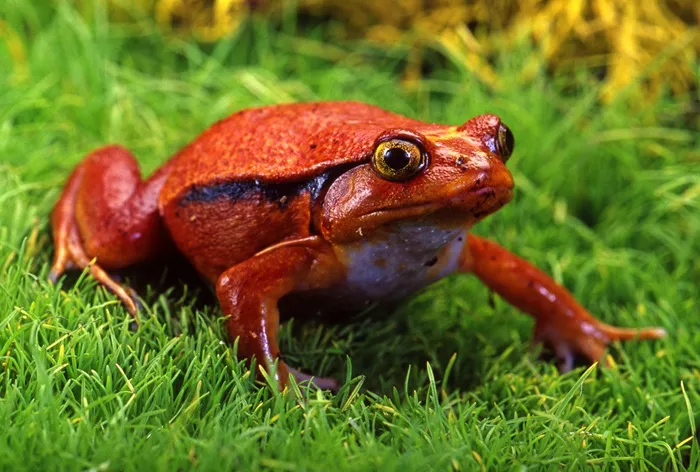
Tomato frogs are one of the most fascinating reptiles you’ll ever encounter. Native to Madagascar, these vibrant, eye-catching amphibians are known for their brilliant red or orange color, resembling the fruit after which they are named. But aside from their unique appearance, there’s something else that makes these frogs special— their diet! What exactly do tomato frogs eat, and how can you care for them in captivity?
In this guide, we’ll explore the diet of tomato frogs, breaking it down in simple terms and helping you understand everything from what these frogs eat in the wild to what you can feed them in your home aquarium. So, whether you’re a seasoned reptile keeper or a beginner looking to adopt a tomato frog, keep reading to unlock the secrets to their nutrition!
The Diet of Tomato Frogs in the Wild
Natural Habitat and Feeding Behavior
Tomato frogs, scientifically known as Dyscophus antongilii, are native to Madagascar, where they live in rainforests and wetlands. The environment plays a key role in determining what these frogs eat. Just like humans choose food based on their surroundings, tomato frogs rely on their habitat for a variety of meals.
In the wild, they mainly consume insects and other small invertebrates. Their diet consists of:
Crickets
Beetles
Moths
Small worms
Ants
Flies
These frogs are opportunistic feeders, meaning they’ll eat whatever is available to them. They have a keen sense of smell and a quick tongue, which they use to catch their prey. When a small insect or worm comes within reach, the tomato frog will stick out its sticky tongue to snatch it up.
Why Do Tomato Frogs Prefer Insects?
Insects are rich in protein and other essential nutrients, which is why they form the backbone of a tomato frog’s diet. Protein is crucial for their growth, reproduction, and energy levels. Imagine how humans need different types of food for energy—just like you rely on proteins, fats, and carbohydrates, tomato frogs need a balance of nutrients from their insect diet.
What Do Tomato Frogs Eat in Captivity?
Taking care of a tomato frog at home requires understanding their dietary needs. Luckily, the diet in captivity is pretty similar to what they eat in the wild, but with a few adjustments. Here’s how you can ensure your tomato frog stays healthy and happy.
Offering a Balanced Diet
In captivity, you can feed tomato frogs the same types of insects they would naturally eat in the wild. Here’s a list of foods that are suitable for your frog:
Crickets: These are an excellent source of protein. They’re also easy to find in pet stores.
Mealworms: These worms are great for adding variety to the frog’s diet.
Waxworms: High in fat, waxworms can be offered occasionally as a treat to provide energy.
Black Soldier Fly Larvae: This is another nutritious option that mimics the frog’s natural diet.
Earthworms: These are nutritious, offering both protein and moisture to keep your frog hydrated.
Vitamin and Mineral Supplements
Just like humans take vitamins to stay healthy, tomato frogs may need extra nutrients in captivity. This is where supplements come in. Since insects are often bred in environments that may not contain all the vitamins and minerals a frog needs, you should dust the food with calcium and vitamin D3 powder before feeding. This helps prevent nutritional deficiencies, such as metabolic bone disease, which can affect the frog’s bones and overall health.
How Often Should You Feed Your Tomato Frog?
Tomato frogs have relatively simple feeding schedules. Juvenile frogs, being in their growth phase, should be fed more frequently—around 4-5 times per week. Adult frogs only need to eat 2-3 times per week, as their metabolism slows down with age.
Feeding Tips
Don’t Overfeed: Overfeeding can lead to obesity, which is unhealthy for frogs. Offer enough food to satisfy your frog, but remove any uneaten food to prevent it from decaying in the tank.
Variety is Key: You can rotate between different insect species to provide variety in your frog’s diet.
Hydration is Crucial: Keep fresh, clean water available at all times, as hydration is vital for frogs.
The Role of Insects in a Tomato Frog’s Health
You might be wondering: why are insects so essential for the health of tomato frogs? To put it simply, insects provide the frog with the right mix of proteins, fats, and fibers. These nutrients support the frog’s immune system, reproductive health, and energy levels. Without these vital nutrients, tomato frogs could face issues like stunted growth or weakened bones.
Did you know? Tomato frogs also secrete a sticky toxin from their skin when threatened, which deters predators. While this toxin is harmless to humans, it serves as a defense mechanism in the wild. A healthy, well-fed frog is more likely to produce this toxin, as it relies on a balanced diet to maintain overall health and energy.
Can Tomato Frogs Eat Fruits or Vegetables?
While it may sound surprising, tomato frogs are strictly carnivorous. Their digestive systems are not equipped to process fruits, vegetables, or plants. So, don’t try to feed them lettuce, berries, or other plant-based foods, as this can cause digestive issues. Stick to insects and other small invertebrates for optimal health.
Are Tomato Frogs Picky Eaters?
Tomato frogs are known for being relatively easy to feed, but like many reptiles, they can have their preferences. Some frogs may refuse food if it’s not moving, so try offering live insects rather than dead ones to mimic their natural hunting behavior. It’s essential to observe their eating habits to ensure they’re getting enough nutrition.
Special Considerations for Keeping Tomato Frogs
Temperature and Humidity
Just like any other reptile or amphibian, tomato frogs thrive in specific conditions. If you want to provide a comfortable home for your tomato frog, make sure the enclosure maintains a humidity level of 60%-80% and a temperature range of 75-85°F (24-29°C). Keeping the environment too dry or too cold can affect their appetite and health, so try to keep the tank’s conditions consistent.
Natural Prey vs. Commercial Food
If you don’t have access to live insects, you can buy pre-packaged insects from pet stores. These are often freeze-dried or frozen, which makes them convenient but less stimulating for the frog. While these are an acceptable option, offering live insects is always the best way to go.
Interesting Stories from Reptile Owners
One frog owner, Sarah, shared her experience with a tomato frog she named “Tommy.” At first, Tommy was picky about eating mealworms, but once she switched to crickets, he became much more enthusiastic about feeding time. Sarah now provides a variety of insects to keep Tommy interested, and he’s thriving in his aquarium. “It’s amazing how such a little frog can have such a big personality,” she said.
Another reptile enthusiast, Mark, discovered that his tomato frog wasn’t eating because the temperature in the tank was too low. After adjusting the heat, the frog resumed eating with gusto. “If you ever notice your frog not eating, make sure the temperature is right. That’s usually the problem!”
Conclusion
In summary, tomato frogs eat a variety of insects, including crickets, mealworms, waxworms, and earthworms. Their diet in captivity should mirror their natural feeding habits, with some additional nutritional support through supplements. By ensuring a healthy, balanced diet, you can help your tomato frog thrive and live a long, healthy life in your care.
Related topics: