
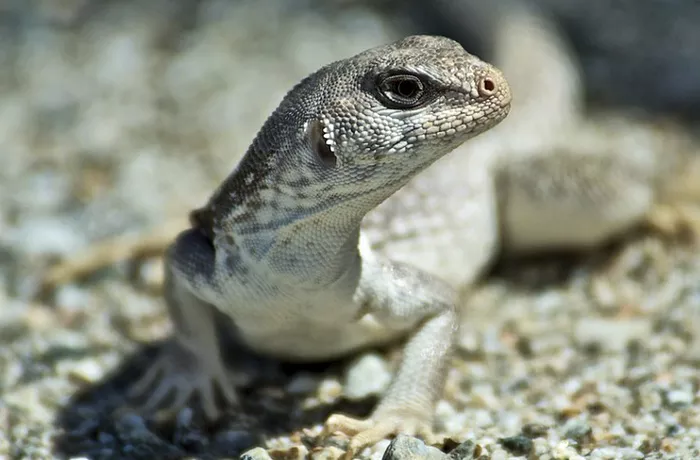
Have you ever wondered how animals survive in the blazing heat of a desert? Imagine a creature that thrives in one of the hottest and driest environments on Earth. This is the story of the desert iguana—a remarkable reptile that calls the hot, arid deserts of the southwestern United States its home.
If you’re curious about how this creature survives in such harsh conditions, what it eats, how it behaves, and whether it would make a good pet, you’re in the right place. In this article, we’ll take a closer look at the desert iguana’s characteristics, habitat, and how it’s adapted to life in the desert. So buckle up, because we’re about to explore this awesome reptile in detail!
What is a Desert Iguana?
The desert iguana (Dipsosaurus dorsalis) is a species of reptile that’s native to the southwestern United States and northern Mexico. It is a medium-sized lizard, usually measuring between 12 to 24 inches long, with a tail that can add another 10-12 inches to its overall length. These lizards are typically gray or tan in color, with pale markings along their body, making them well-suited for blending into the rocky desert landscape.
How does it look? If you imagine a lizard with a sleek, slender body, a long tail, and a slightly flattened head, you’re picturing a desert iguana. Their colors help them blend in seamlessly with the desert environment, which is essential for avoiding predators. But these lizards are not just about looks; they’ve developed unique traits to survive in one of the harshest climates on Earth.
Habitat: Living in the Desert Heat
Desert iguanas are perfectly adapted to hot, dry environments. You’ll mostly find them in desert scrublands and open areas of the Sonoran Desert, which stretches across California, Arizona, and Mexico. These lizards love the warmth, but they also know how to escape the blistering sun when it gets too hot.
Imagine the desert as a massive, sun-scorched oven with occasional cool spots under bushes or rocks. The iguana’s habitat offers plenty of those hiding spots. During the hottest parts of the day, these lizards tend to stay hidden under bushes or in burrows to avoid overheating. When the temperature drops, they become more active and roam the desert looking for food.
Fun fact: Desert iguanas are one of the few reptiles that can tolerate the heat of over 110°F (43°C). They regulate their body temperature by moving between the hot desert floor and shaded areas, ensuring they don’t overheat.
Diet: What Does a Desert Iguana Eat?
Desert iguanas are herbivores, meaning they mostly eat plants. Their diet primarily consists of leaves, flowers, fruits, and cacti, all of which are abundant in their desert homes. They can often be found munching on the leaves of creosote bushes and other desert plants, or nibbling on wildflowers when in bloom.
If you’re thinking about keeping one as a pet, it’s essential to understand their dietary needs. You’ll need to provide dark leafy greens, fruits, and flowers to mimic their natural diet. The desert iguana’s ability to eat cactus is particularly fascinating since most animals would avoid the spiky plants!
Pro tip: When you spot a desert iguana munching on plants, it’s usually a sign that the lizard is well-fed and happy. If they’re not eating much, it could be a signal that something in their environment needs to change.
Behavior: How Do Desert Iguanas Live?
Desert iguanas are diurnal, which means they are active during the day and rest at night. They are solitary creatures, often staying by themselves unless they’re mating or living in a habitat with plenty of space and food. These lizards are also known for being very territorial. They mark their space and defend it if necessary.
What’s really interesting is how desert iguanas deal with the heat. During the day, they are often seen basking in the sun to regulate their body temperature. But when it gets too hot, they’ll retreat to burrows or shaded areas to cool off. This is a key survival mechanism, as overheating can lead to dehydration or even death.
Their ability to dig burrows also helps them stay cool and safe from predators. These burrows can be several feet deep, offering protection from both extreme heat and potential threats. Speaking of threats, desert iguanas must keep an eye out for hawks, snakes, and even larger mammals.
Reproduction: The Life Cycle of a Desert Iguana
Desert iguanas breed during the spring months, typically between March and June, when temperatures begin to rise. After mating, the female digs a nest burrow and lays 2 to 12 eggs, which she buries in the sand. These eggs take about 60 days to hatch.
Once the eggs hatch, the baby desert iguanas, known as hatchlings, emerge from the sand. They are fully capable of fending for themselves right from birth. These young lizards are often seen running across the desert in search of food and shelter.
It’s amazing to think that, even though they’re born in such a harsh environment, these little creatures are equipped to survive almost immediately!
Adaptations: How Do Desert Iguanas Survive the Heat?
Desert iguanas have developed some truly incredible adaptations to live in the desert. Aside from being able to tolerate extreme heat, these lizards are also able to conserve water very efficiently.
In the desert, water is scarce, so desert iguanas rely on the moisture in the plants they eat. They can go without drinking water for extended periods, which is essential in such a dry environment. They also have a unique ability to regulate their salt intake, which allows them to survive without much fresh water.
These lizards are also equipped with special skin scales that help them shed heat, ensuring they don’t overheat in the sun.
Desert Iguanas as Pets: What You Need to Know
If you’re considering getting a desert iguana as a pet, you need to prepare for a reptile that needs special care. Desert iguanas are relatively easy to care for, but they do have specific environmental requirements.
Here are some key things to keep in mind:
Temperature: Keep their habitat between 80°F and 100°F during the day, with a basking spot that’s even warmer.
Humidity: Maintain low humidity, mimicking their desert environment. Too much moisture can cause health problems.
Diet: Provide a variety of leafy greens and fruits. Avoid feeding them too many insects, as they are herbivores.
Space: They need plenty of room to roam, so a large enclosure is essential.
Lighting: UVB lighting is important for their health, as it helps them produce Vitamin D3 and calcium for strong bones.
Conclusion
In conclusion, the desert iguana is one of nature’s true survivors. With its unique ability to thrive in some of the hottest and driest conditions on Earth, this reptile is a testament to the wonders of evolutionary adaptation. Whether you’re a reptile enthusiast or just someone fascinated by the natural world, the desert iguana is definitely worth learning more about.
Related topics: