
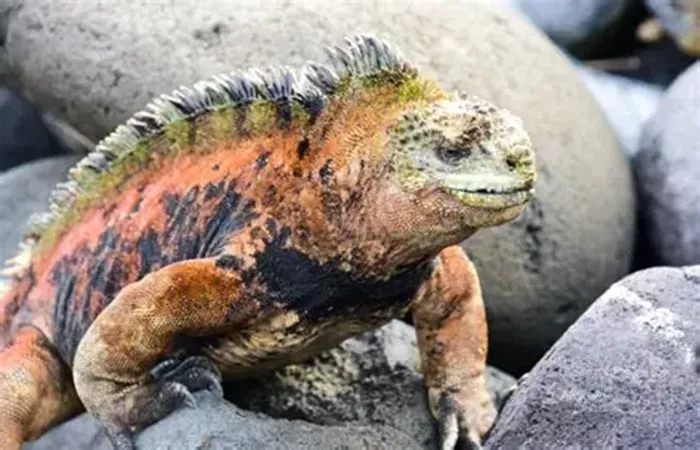
Marine iguanas, those legendary reptiles from the Galápagos Islands, are as unique as the islands they call home. If you’ve ever seen one of these creatures sunbathing on the rocky shores, you’ve probably wondered: how did such an odd-looking animal evolve to become a master of both land and sea? Well, you’re in for a treat! Marine iguanas are truly one of the most fascinating creatures on Earth. They can swim, dive, and even survive in harsh conditions that would challenge most species.
In this article, we will uncover some of the most interesting facts about marine iguanas. From their diet of algae to their exceptional diving skills, these iguanas have evolved unique traits that make them stand out in the world of reptiles. Whether you’re a wildlife enthusiast or simply curious about the animal kingdom, marine iguanas are sure to amaze you!
Introduction: Meet the Marine Iguanas
When you think of iguanas, you might picture a land-dwelling reptile, basking in the sun or crawling through trees. But marine iguanas (Amblyrhynchus cristatus) are a whole different story. These marine reptiles are one of a kind. Unlike other iguana species, they swim and dive in the ocean to feed on marine algae—a trait that sets them apart from their land-dwelling cousins. And while you might think that sounds pretty cool, there’s a lot more to these incredible reptiles than meets the eye!
So, let’s dive into some of the most interesting facts about marine iguanas. By the end of this article, you’ll have a deeper understanding of how marine iguanas have adapted to life on land and at sea.
Fact #1: Marine Iguanas Can Swim and Dive in the Ocean
You may have seen land iguanas basking lazily on a rock, but marine iguanas take it up a notch. These reptiles are excellent swimmers, able to dive into the ocean to hunt for algae. Marine iguanas are the only known species of iguana that spends a significant portion of its life in the sea. In fact, their main diet consists of marine algae, which they forage for in underwater kelp forests.
How Do They Swim?
Marine iguanas use their flattened, powerful tails to propel themselves through the water. Think of it like a dolphin’s tail, helping them glide through the waves. They also have sharp claws to cling to rocks, both in and out of the water. This ability to swim and forage underwater is not just a survival skill—it’s an essential part of their unique lifestyle.
Why This is Interesting:
Most reptiles prefer the land, so the fact that a species of iguana has adapted so well to life in the water is fascinating! These iguanas have perfected the art of being both land and sea creatures. And it’s not just for fun—they need to dive into the ocean for food!
Fact #2: Marine Iguanas Can Hold Their Breath for Up to 30 Minutes
Imagine holding your breath for half an hour—sounds like a superpower, right? Well, for marine iguanas, this is an everyday skill. They are capable of staying submerged for up to 30 minutes, diving to depths of 10 meters (33 feet) or more to forage for algae. This makes them one of the most skilled divers in the reptile world.
How Do They Do It?
Marine iguanas are able to hold their breath for such long periods due to their efficient respiratory system. They are able to slow their metabolism and conserve oxygen, which allows them to dive deep into the ocean without coming up for air.
Why This is Interesting:
Most reptiles are air-breathers that cannot hold their breath for long periods. Marine iguanas, on the other hand, have evolved a special adaptation that lets them stay underwater for extended periods of time—essential for their survival and feeding habits.
Fact #3: They Are the Only Marine Iguanas in the World
Marine iguanas are truly one-of-a-kind. They are the only species of iguana known to live in marine environments. This unique characteristic has earned them the title of “marine iguana,” and it makes them a rare and special species. They’re found exclusively in the Galápagos Islands, where they’ve evolved in isolation for millions of years.
Why This is Interesting:
The Galápagos Islands are a hotspot of evolutionary adaptation. Marine iguanas have become a living example of how isolated ecosystems can create species with exceptional traits that aren’t found anywhere else in the world.
Fact #4: Marine Iguanas Are Cold-Blooded and Depend on Sunbathing
Like most reptiles, marine iguanas are cold-blooded, meaning they cannot regulate their own body temperature. Instead, they rely on external sources of heat, such as the sun, to warm up their bodies. After spending time underwater in the chilly ocean, marine iguanas will climb back onto the rocks and bask in the sun to recharge their energy.
How Do They Bask?
After a long dive, marine iguanas will position themselves on rocks where they can absorb as much sun as possible. They spread their bodies wide to maximize their exposure to sunlight, sometimes even sitting together in groups. This sunbathing behavior is vital for warming their muscles and getting ready for their next dive.
Why This is Interesting:
Most reptiles will bask to regulate their temperature, but marine iguanas have to be strategic about when and where they bask, especially after a cold swim. They are truly sun seekers, and their whole daily routine revolves around finding the perfect balance between sunbathing and diving for food.
Fact #5: Marine Iguanas Can Change Their Color
Ever heard of a reptile that can change its color? Marine iguanas have the ability to change the color of their skin depending on their environment and temperature. This change in color is not just about aesthetics; it’s about regulating their body temperature. When it’s cold, they might appear darker, absorbing more sunlight. When it’s hot, they might lighten up to reflect the sun’s rays and keep their bodies cooler.
Why This is Interesting:
The ability to change color is rare among reptiles, and it adds another layer to the marine iguana’s adaptability. It helps them survive in an environment that can shift from cold to hot very quickly.
Fact #6: They Have Unique Mating Rituals
Marine iguanas are territorial, especially during the mating season. Males will engage in colorful displays to attract females. These displays may include head-bobbing, push-ups, and vibrant colors. The males also fight for dominance, using their sharp claws and powerful bodies to outcompete other males for access to females.
How Do They Mate?
After the males display their strength and beauty, the females will choose the best mate based on the dominance and fitness of the males. After mating, the females lay eggs in burrows, where they incubate for several months. The hatchlings then make their way into the world, fully independent and capable of swimming and foraging on their own.
Why This is Interesting:
Marine iguanas’ mating rituals are a fascinating combination of color, strength, and survival. The behaviors observed during this time show just how crucial the mating season is for maintaining the population of marine iguanas in the harsh environment of the Galápagos Islands.
Fact #7: Marine Iguanas Are Endangered
While marine iguanas are iconic animals of the Galápagos Islands, they are facing a range of threats, making them a species of conservation concern. The IUCN Red List lists marine iguanas as vulnerable due to habitat destruction, climate change, and the threat of invasive species. Conservation efforts are underway to help protect these remarkable reptiles, including habitat restoration and protected areas.
Why This is Interesting:
Marine iguanas’ unique place in the ecosystem makes them critical to the health of the Galápagos. By understanding and protecting them, we’re not just preserving a single species, but an entire ecosystem that has evolved over millions of years.
Conclusion
The marine iguana is a truly remarkable reptile, with a host of adaptations that make it a true master of both land and sea. From their unique swimming skills to their sunbathing habits and mating rituals, marine iguanas embody the incredible power of evolution. As the only marine iguana in the world, they are a living example of how isolated environments can lead to fascinating species with exceptional traits.
If you’re ever lucky enough to visit the Galápagos Islands, don’t miss the chance to see these incredible creatures in action. You’ll never look at an iguana the same way again!
Related topics: